Same model. Same wardrobe logic. Same light.
Every generated asset is built on a fixed visual identity. From a single campaign to years of content, the brand DNA stays exactly where you placed it.
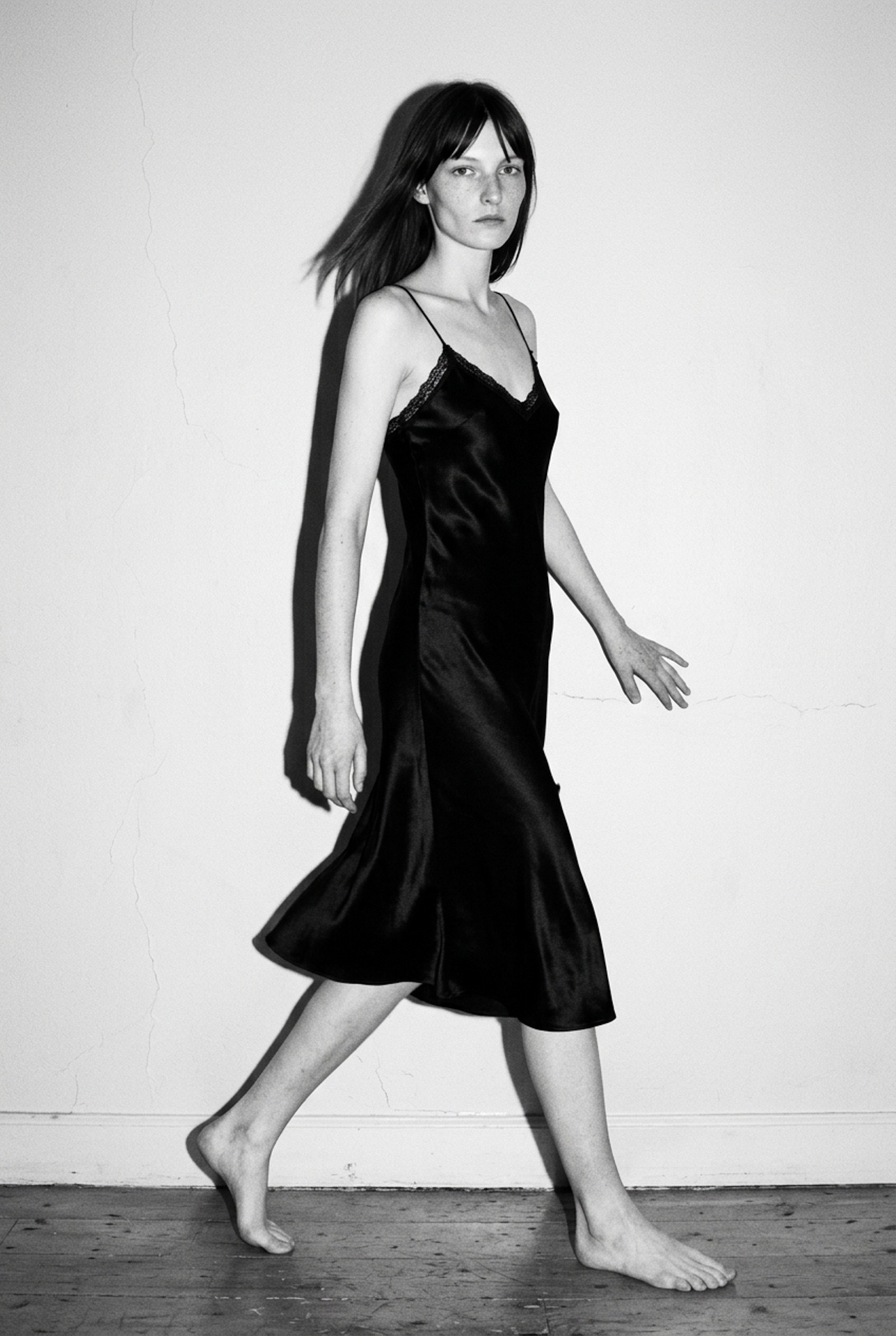
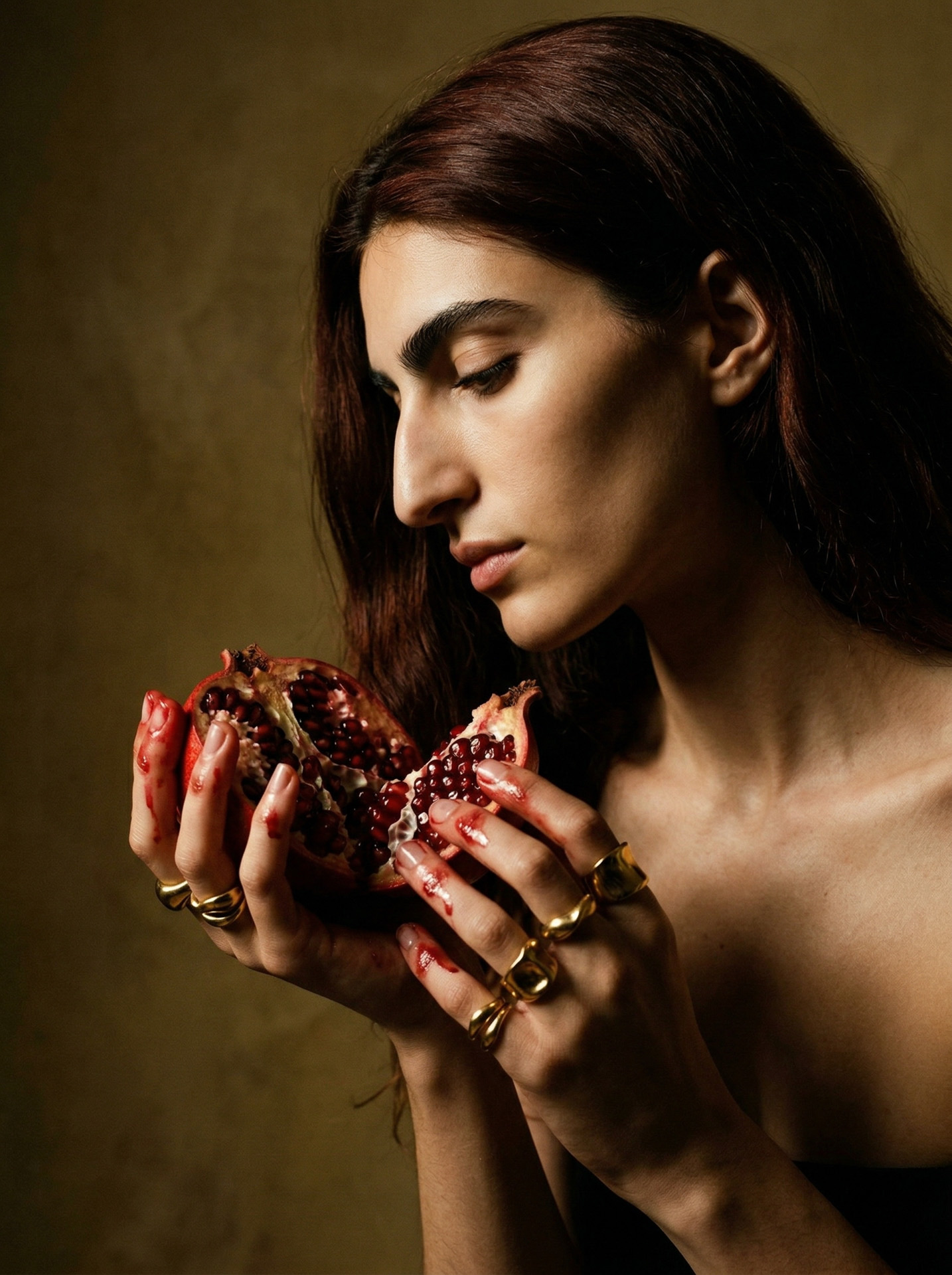
Three forces shape every project. Drag the row sideways to see how each one works on set.
Every generated asset is built on a fixed visual identity. From a single campaign to years of content, the brand DNA stays exactly where you placed it.
The system obeys an eye that's seen ten years of sets. Mood boards, references, light diagrams — the way a real campaign is built — drive every frame.
Iteration is near-zero cost. Decisions move at the speed of the marketing calendar — not the production one. Reshoots become revisions.
An editorial story built on ochre, pomegranate, and the Mediterranean light of a Neapolitan afternoon. Every frame holds the same painterly palette — still life and portrait speak to each other across the series. A direction the camera alone would need three locations and four days to capture.
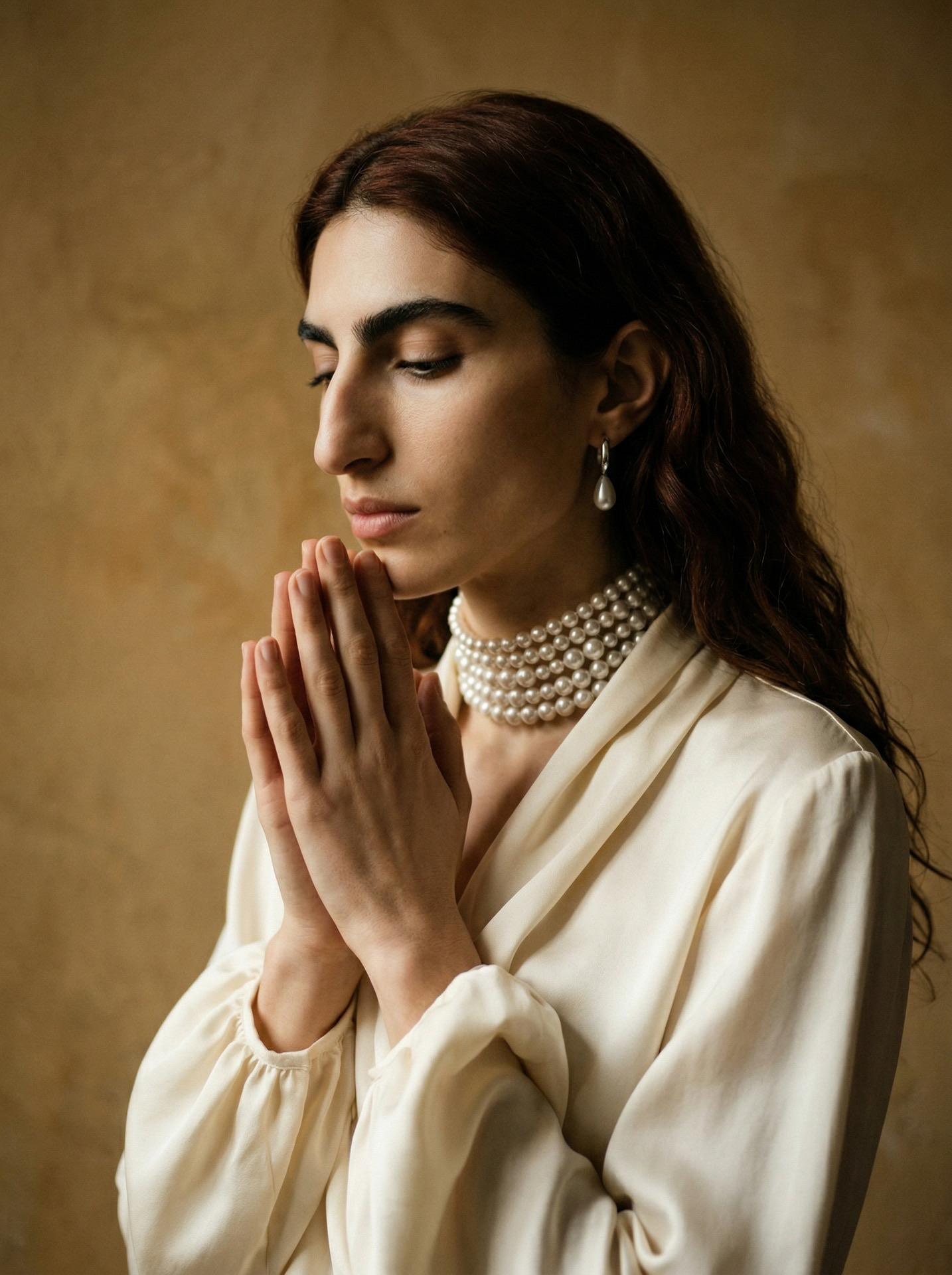
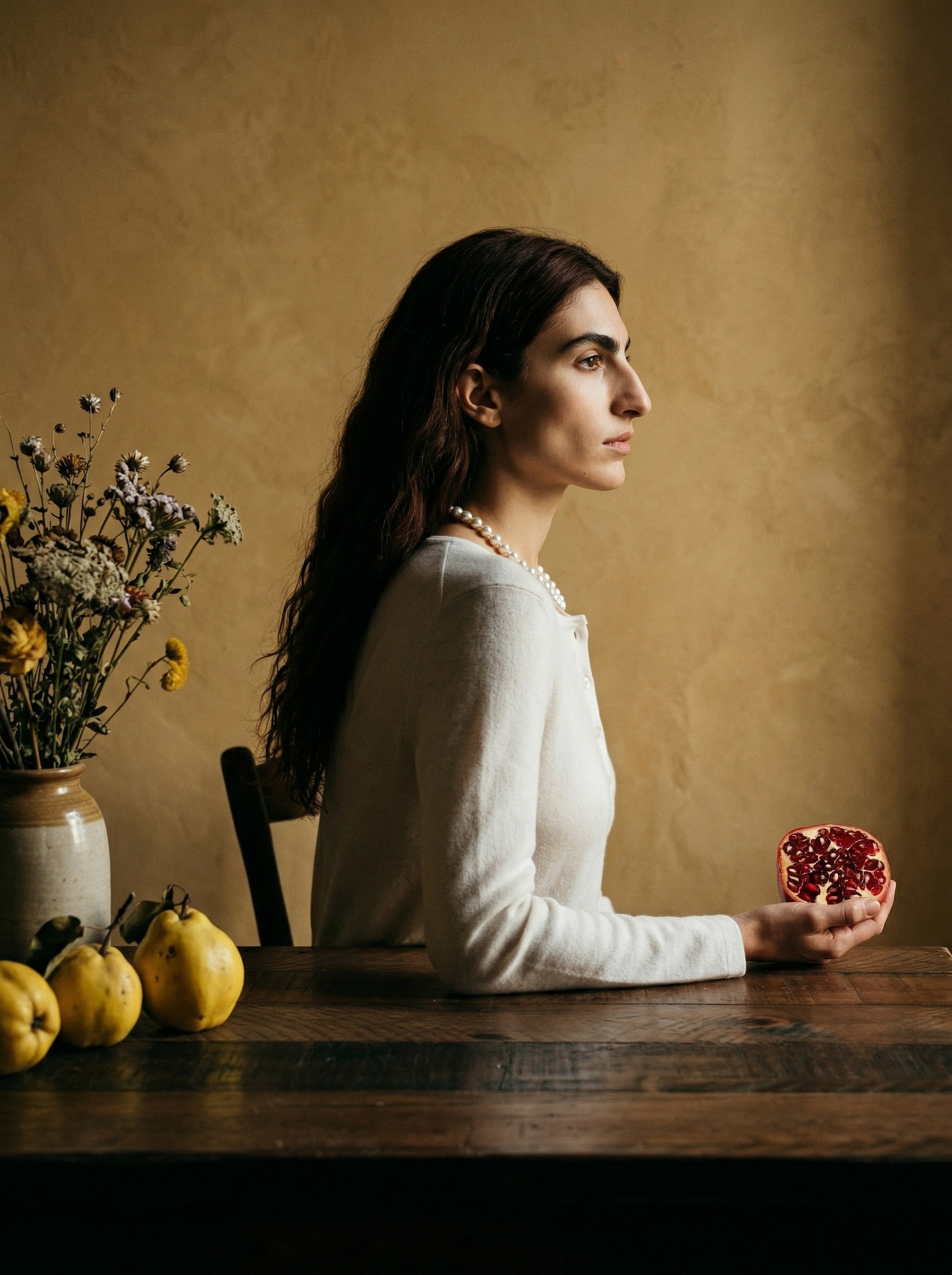
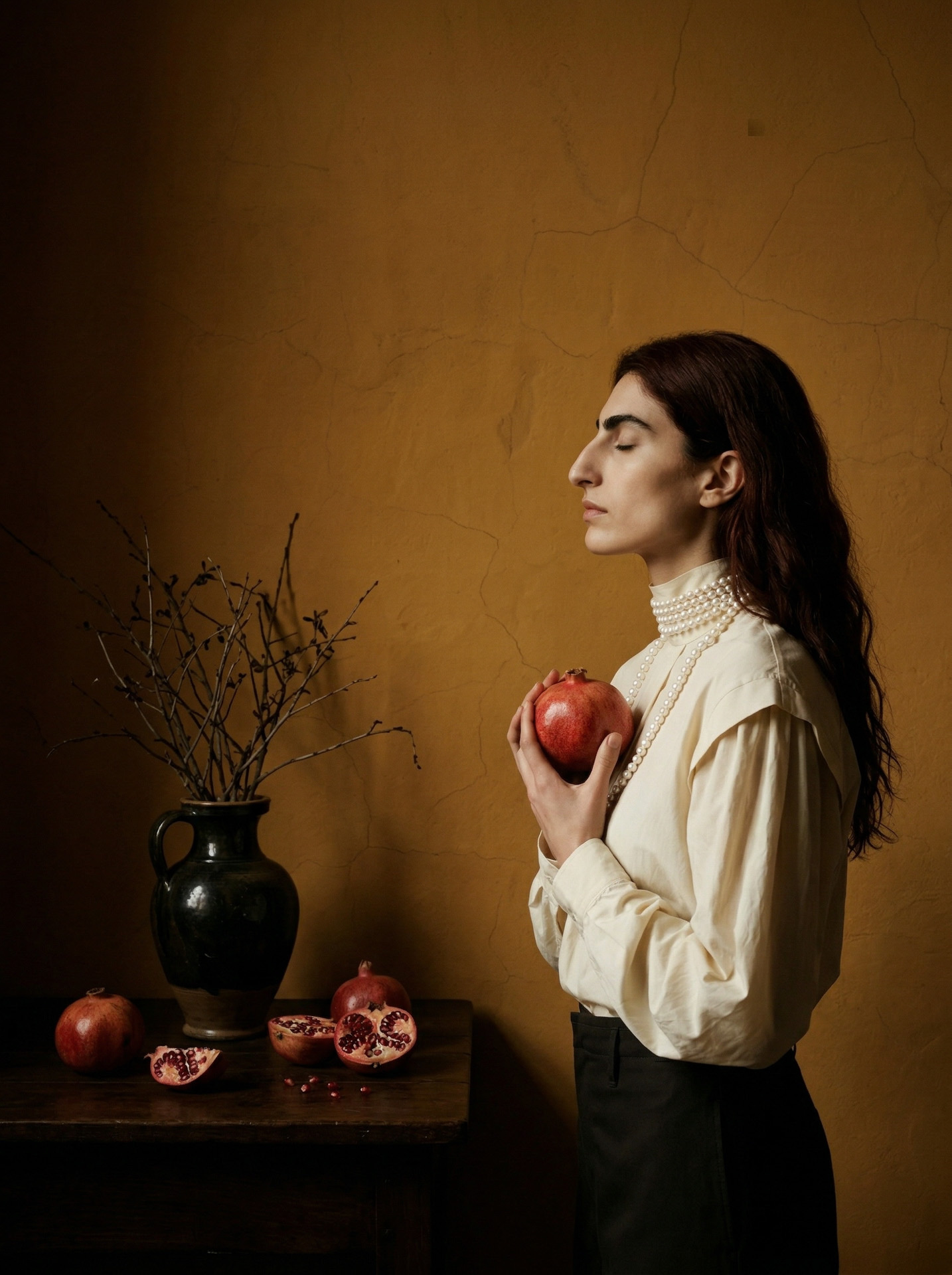
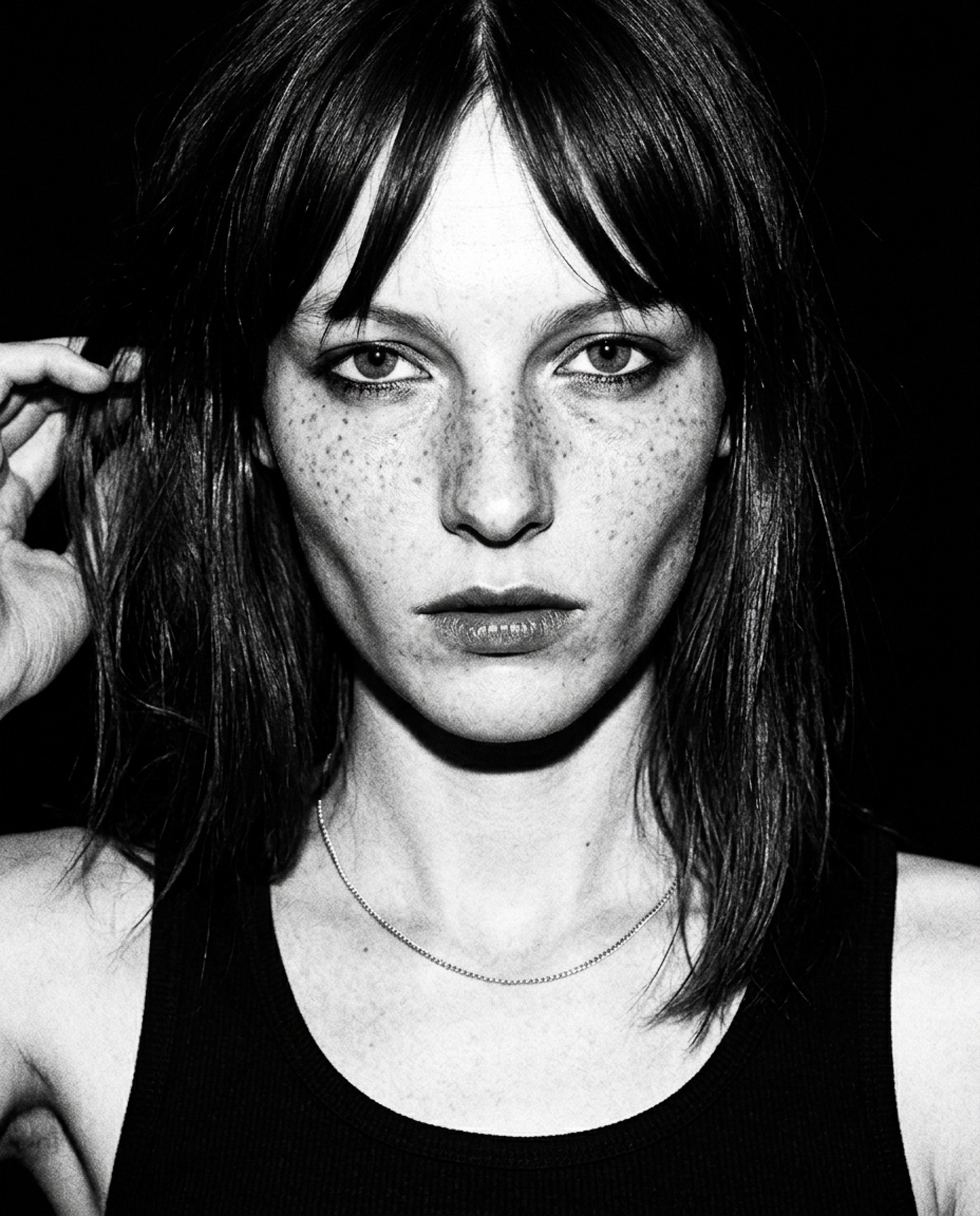
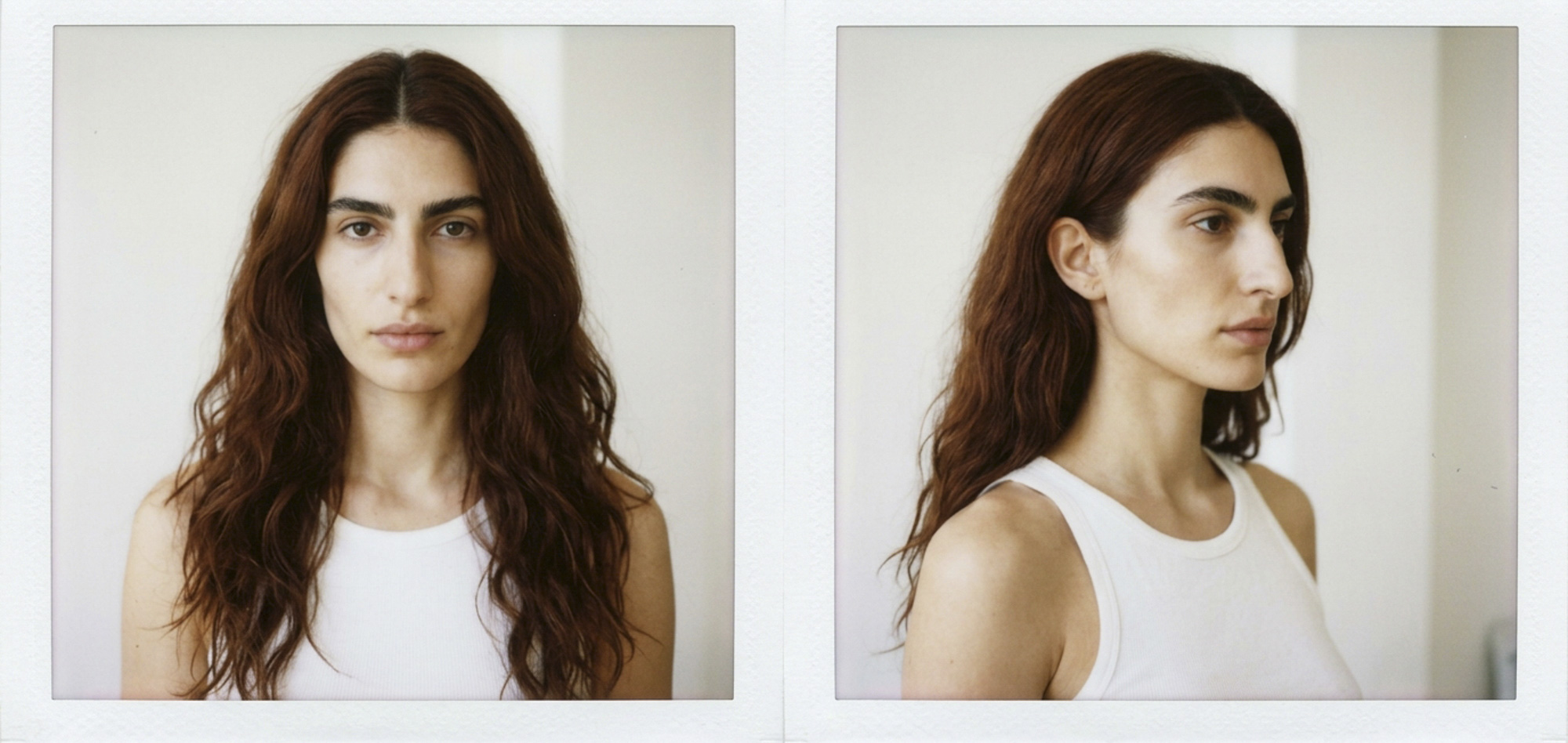
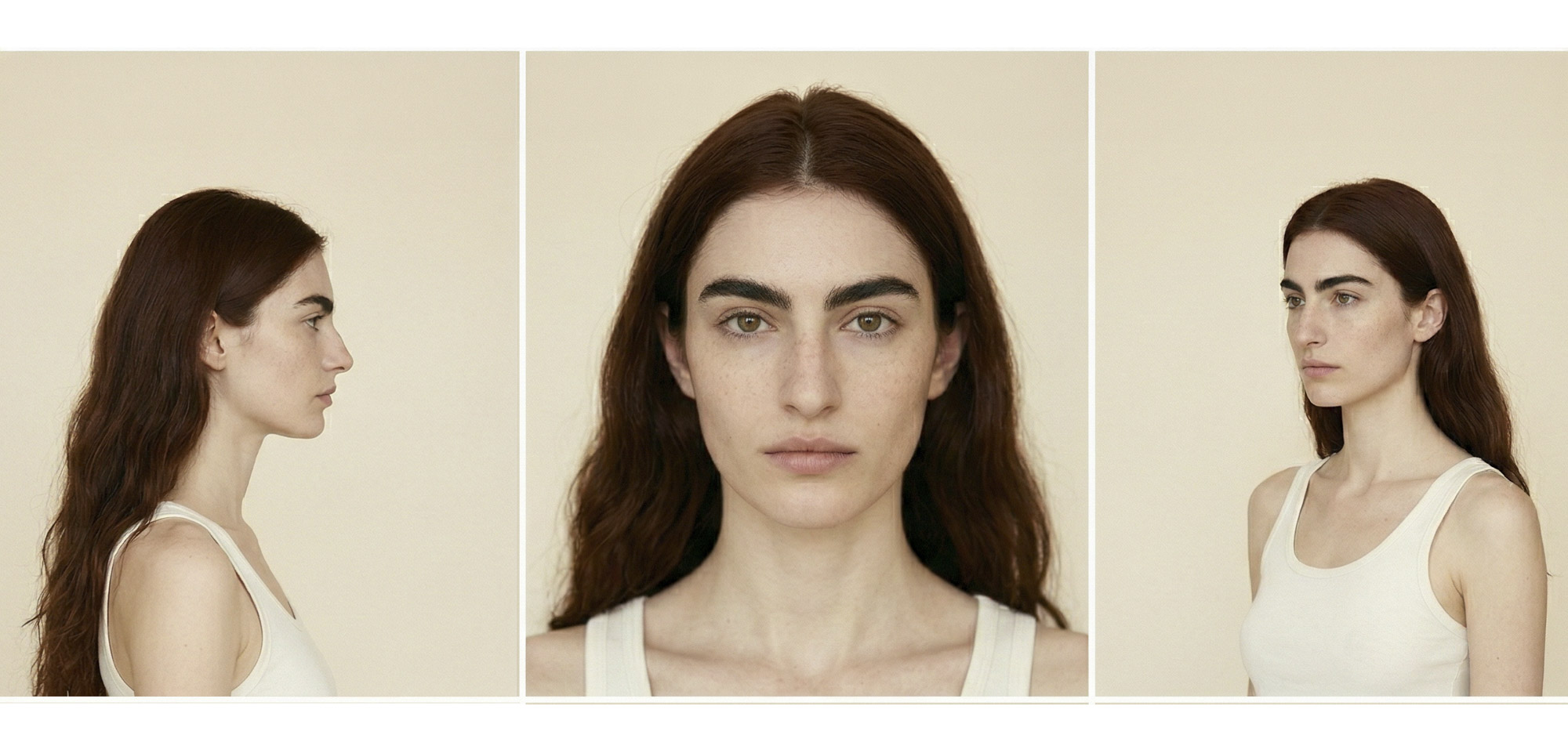
The hardest problem in AI imagery is keeping the same face, same skin, same attitude across a full editorial. This story — shot entirely in AI — holds the model's identity across portrait, tailoring, motion and intimate framing. Same freckles. Same eyes. Same look.
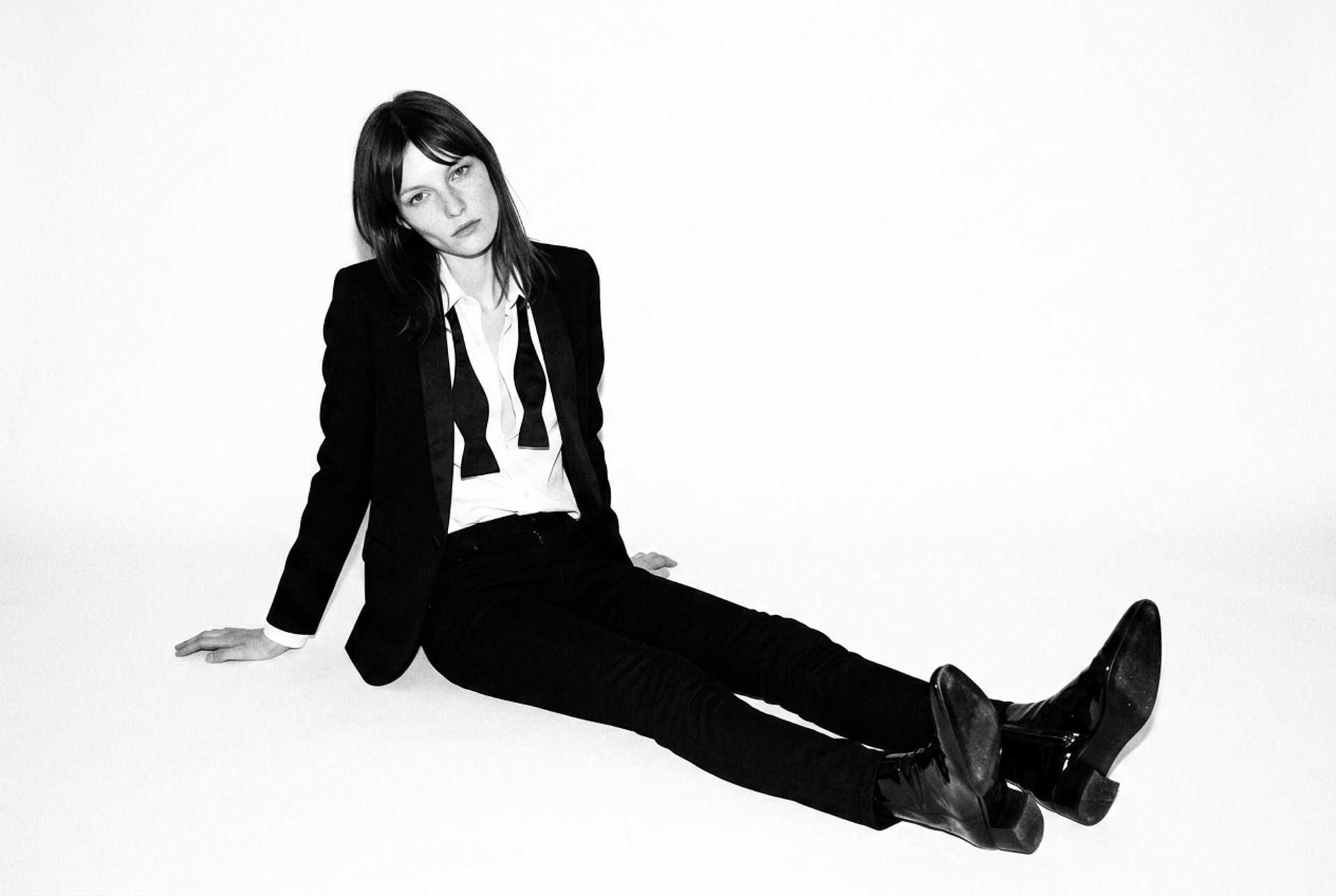
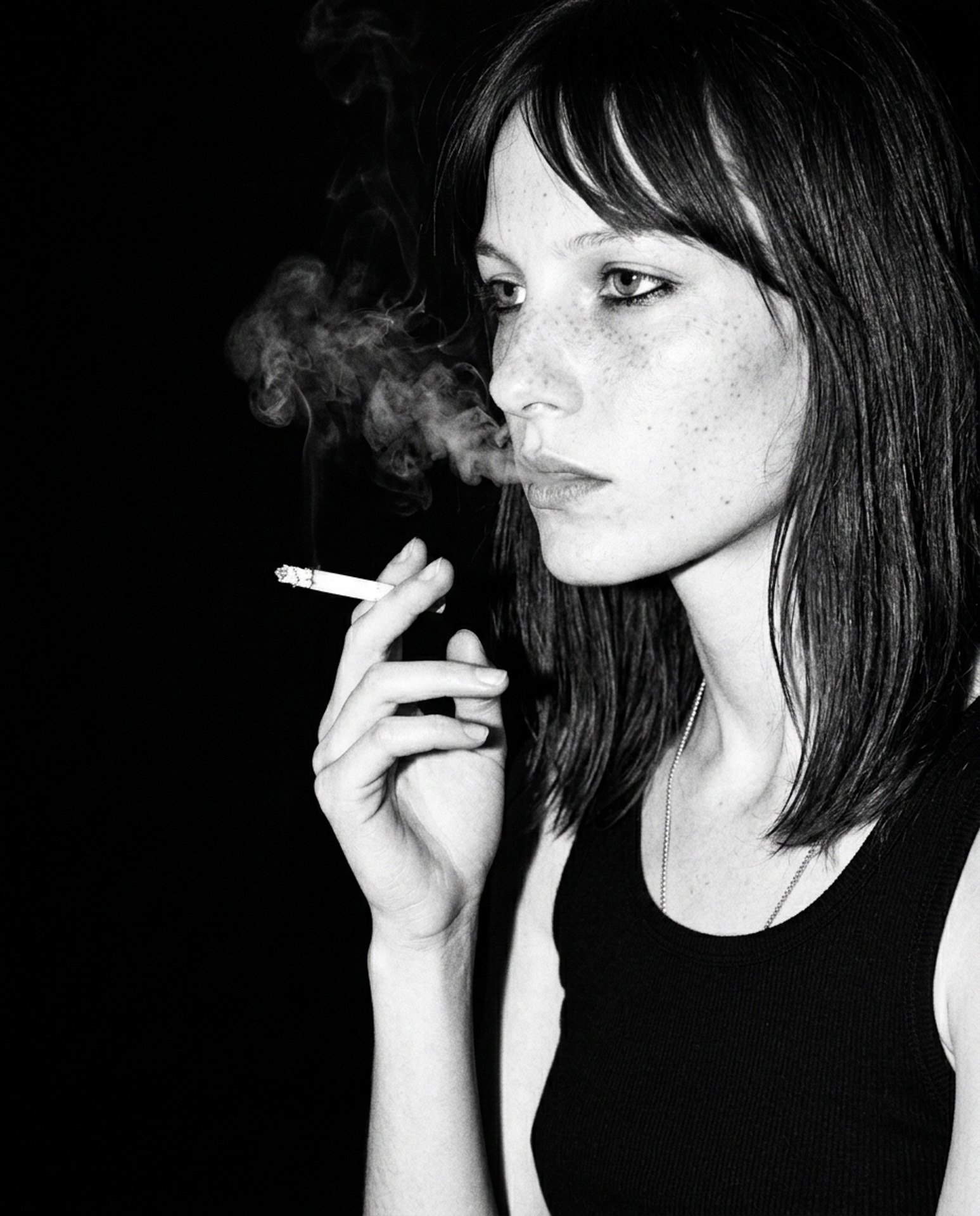
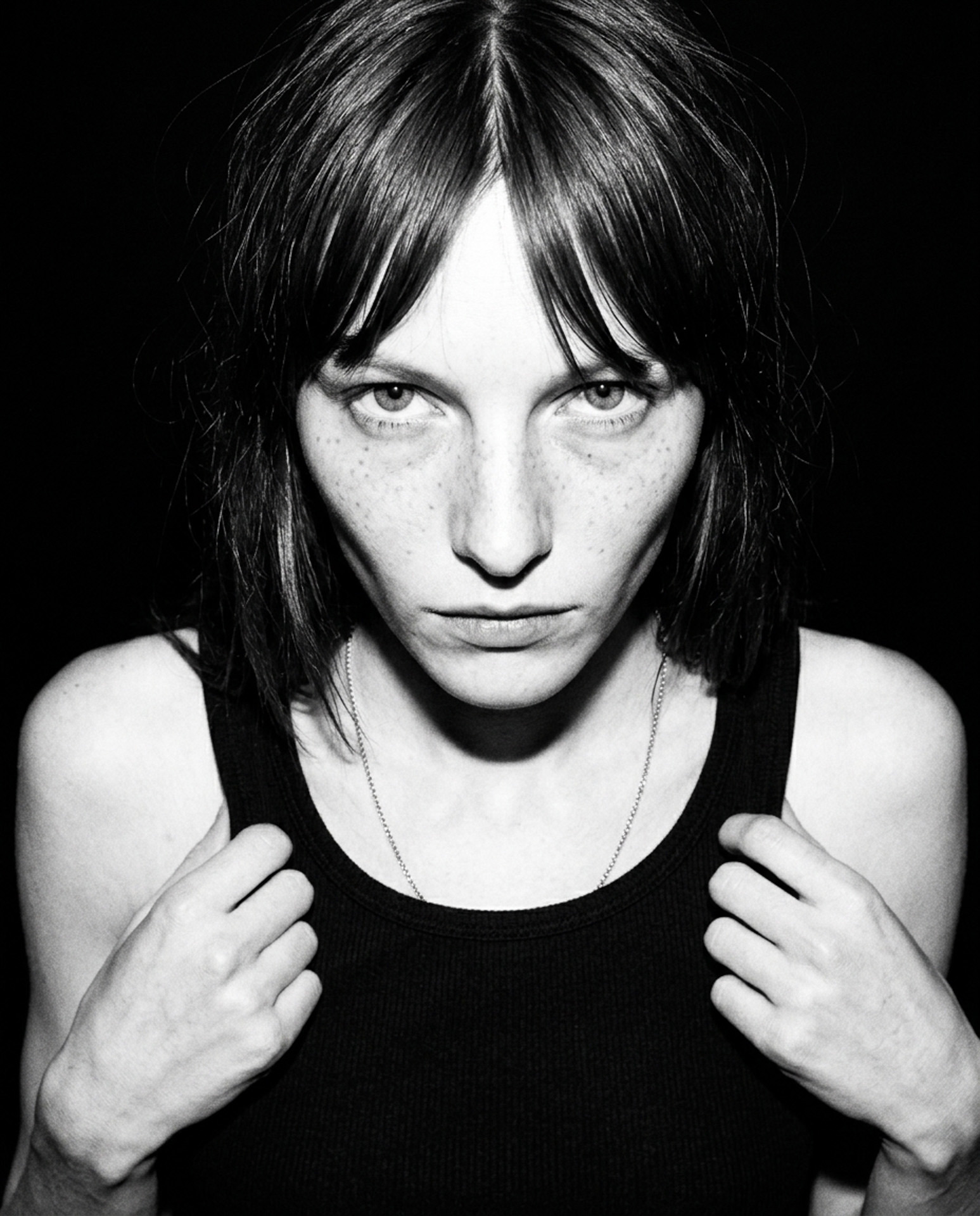
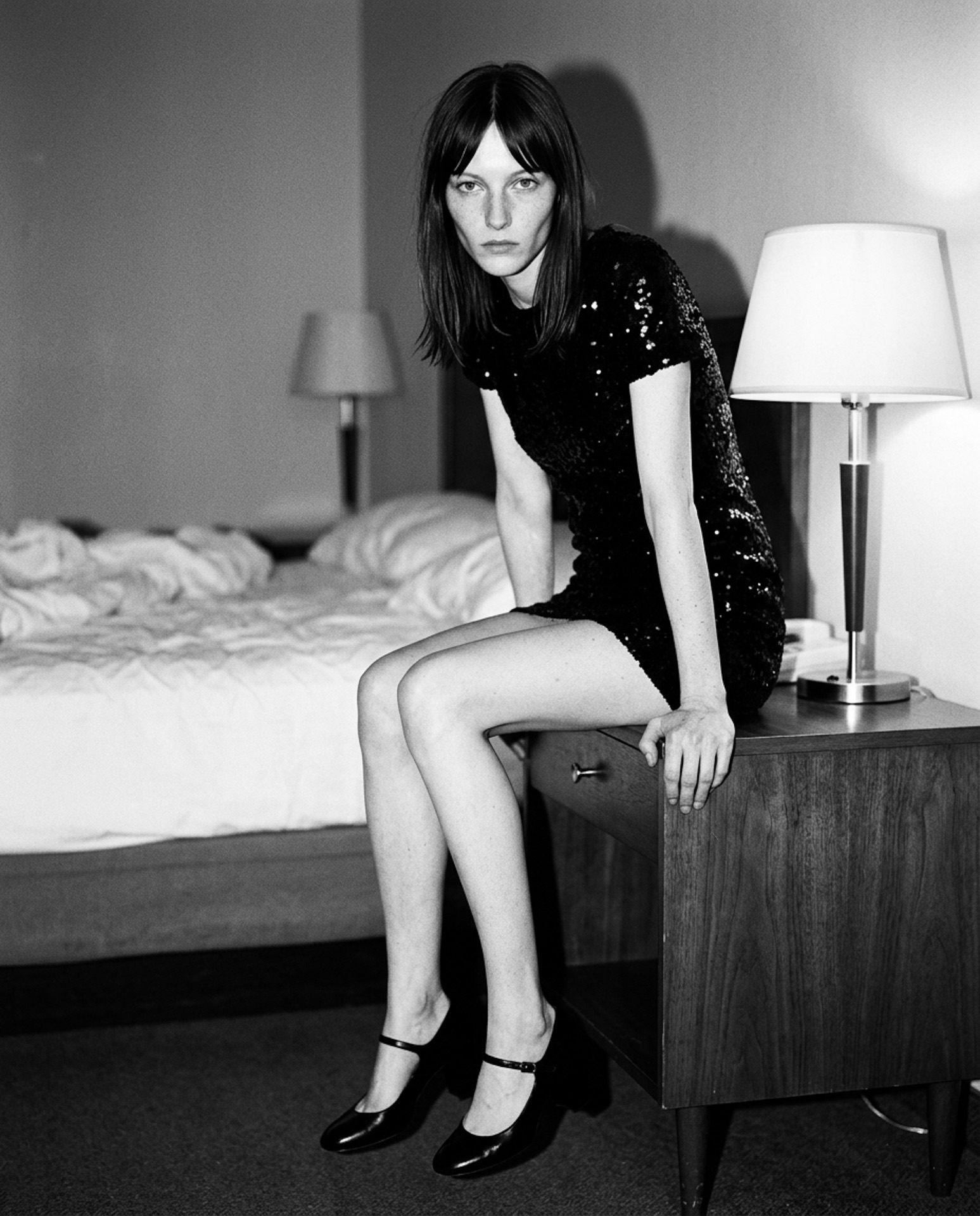
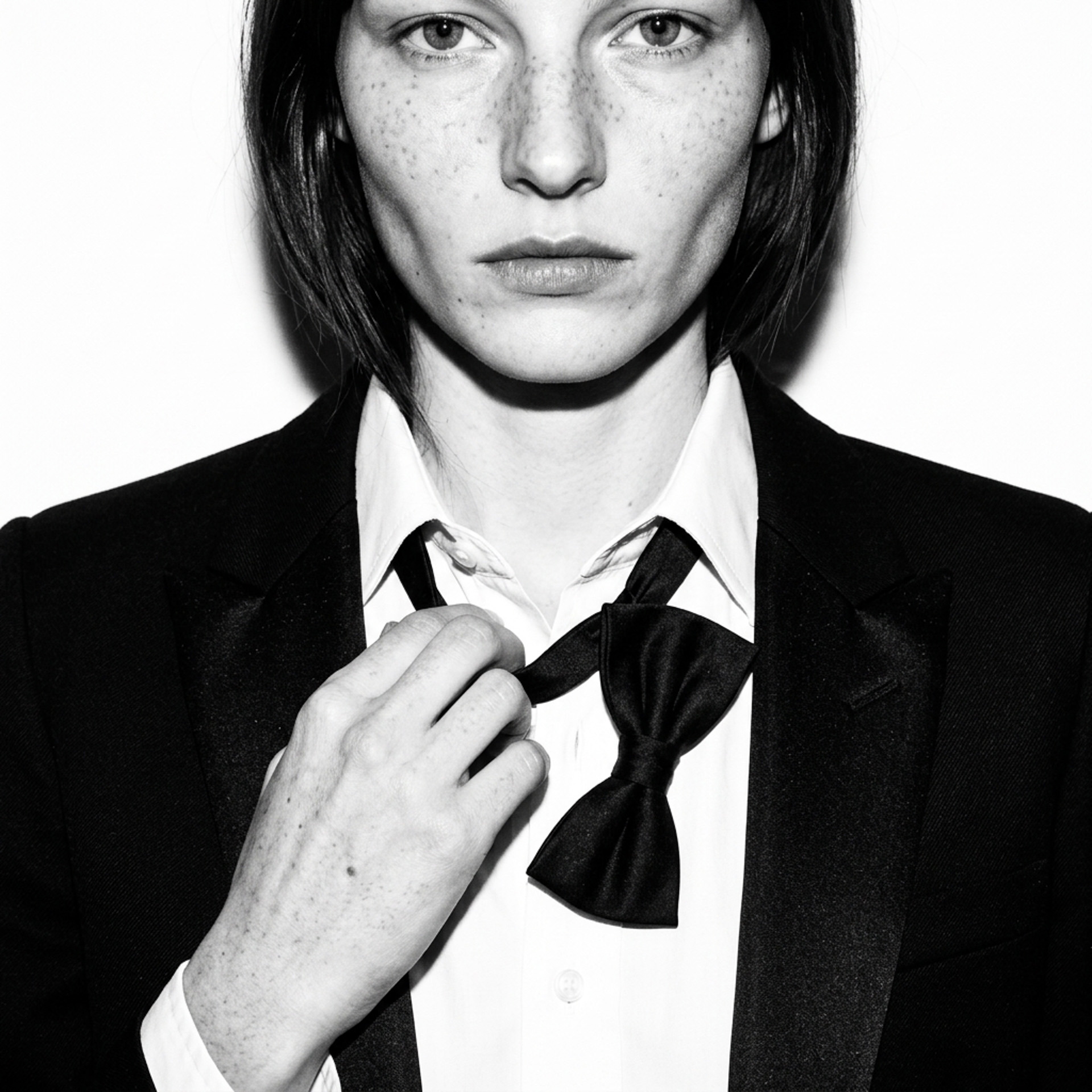
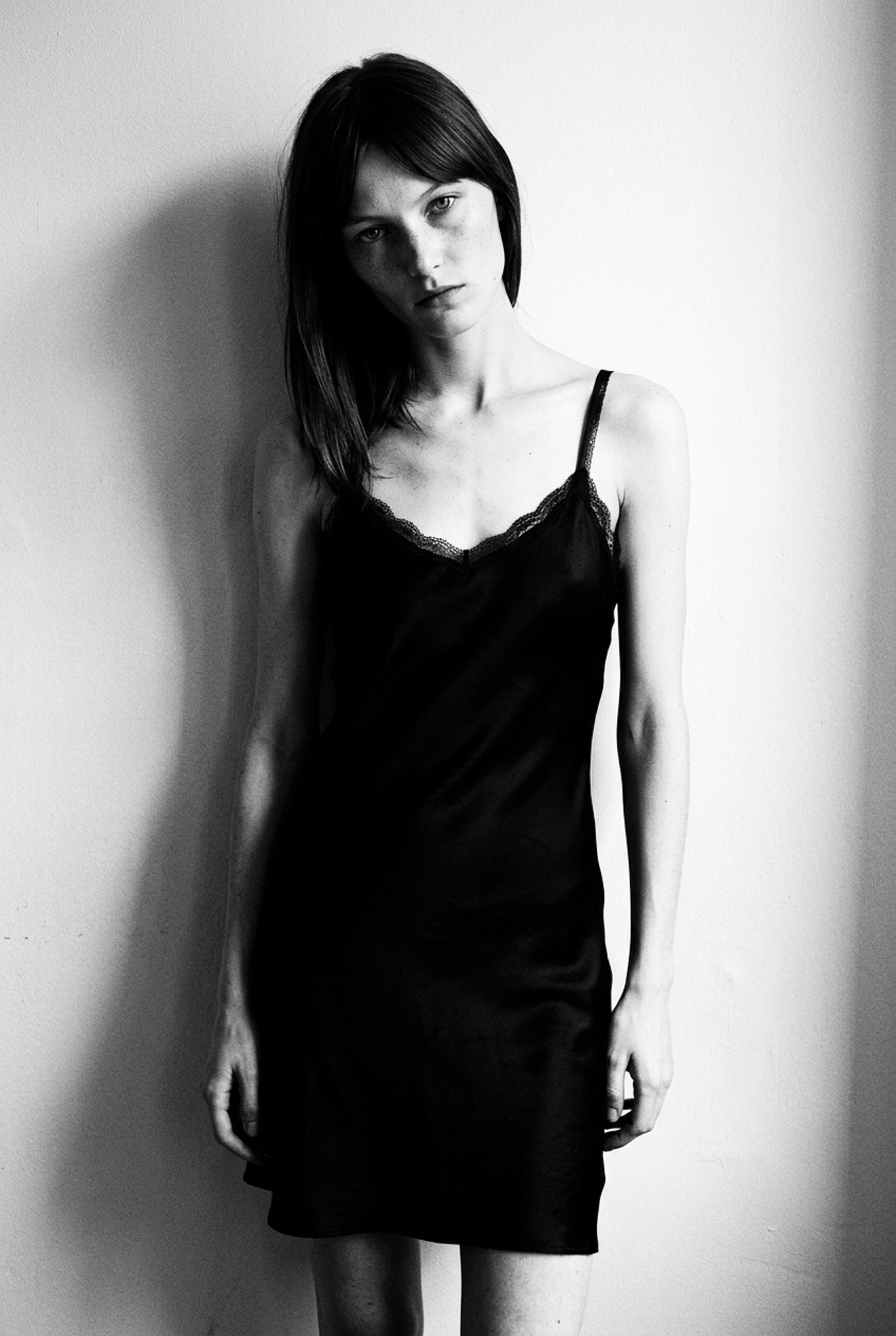
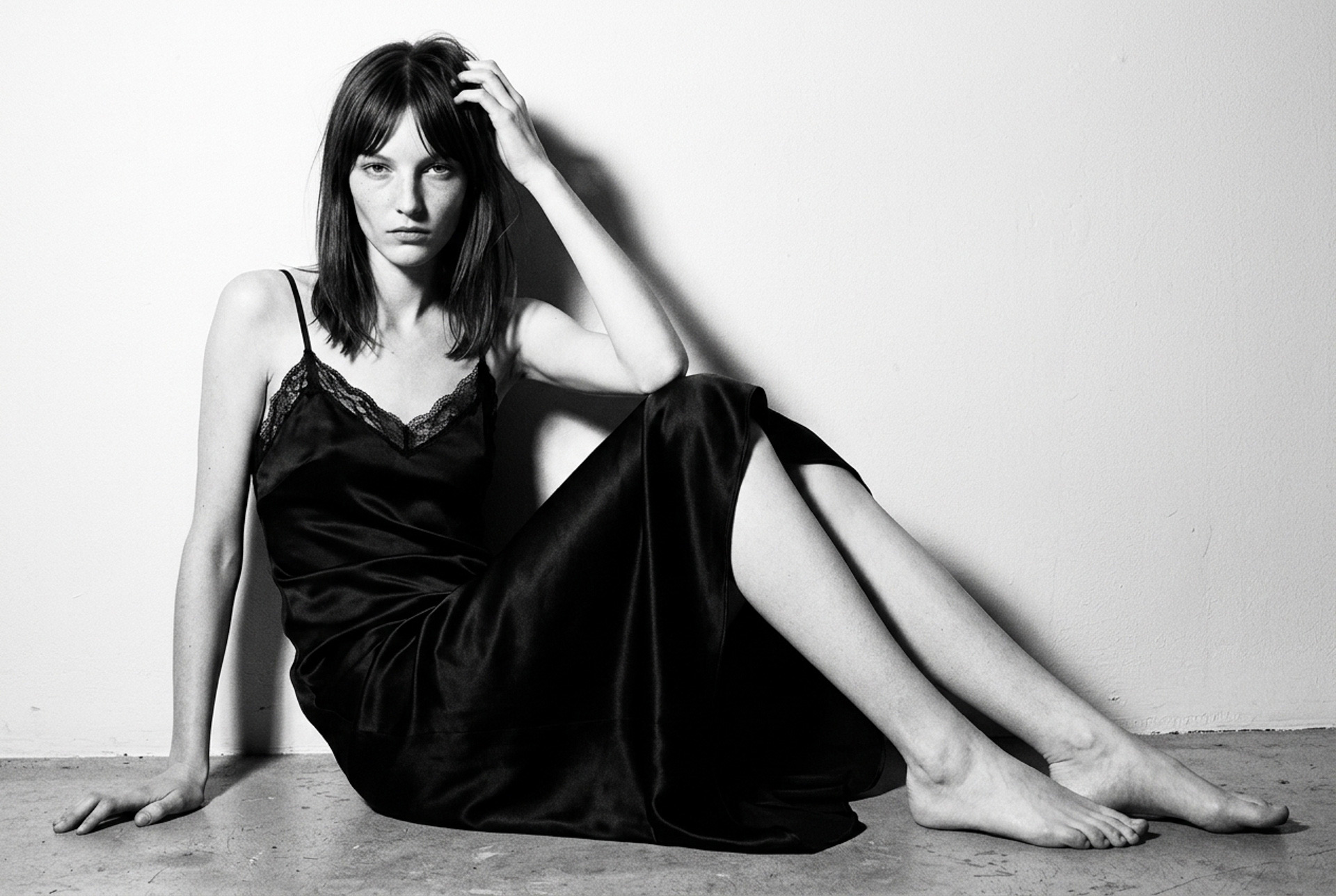
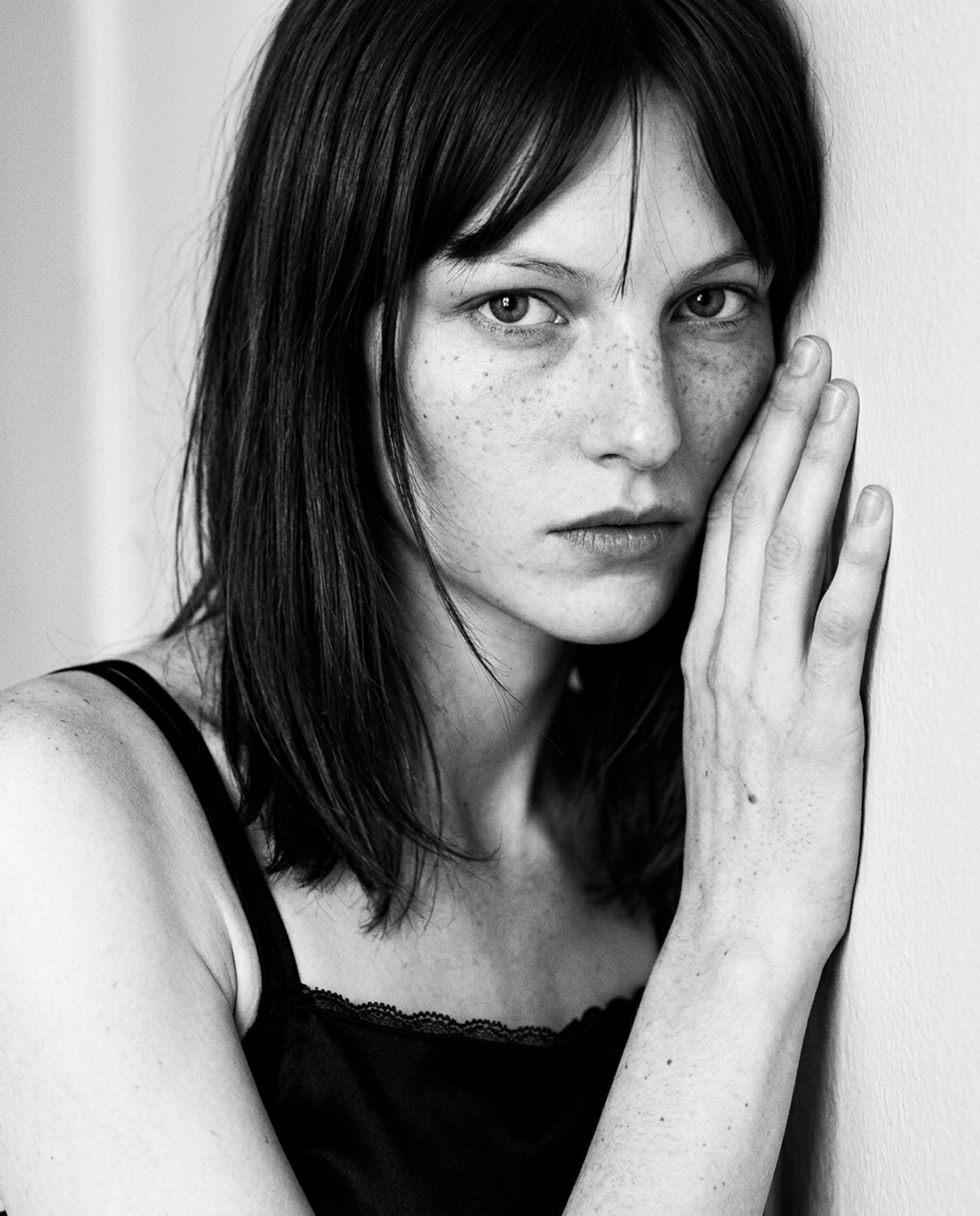
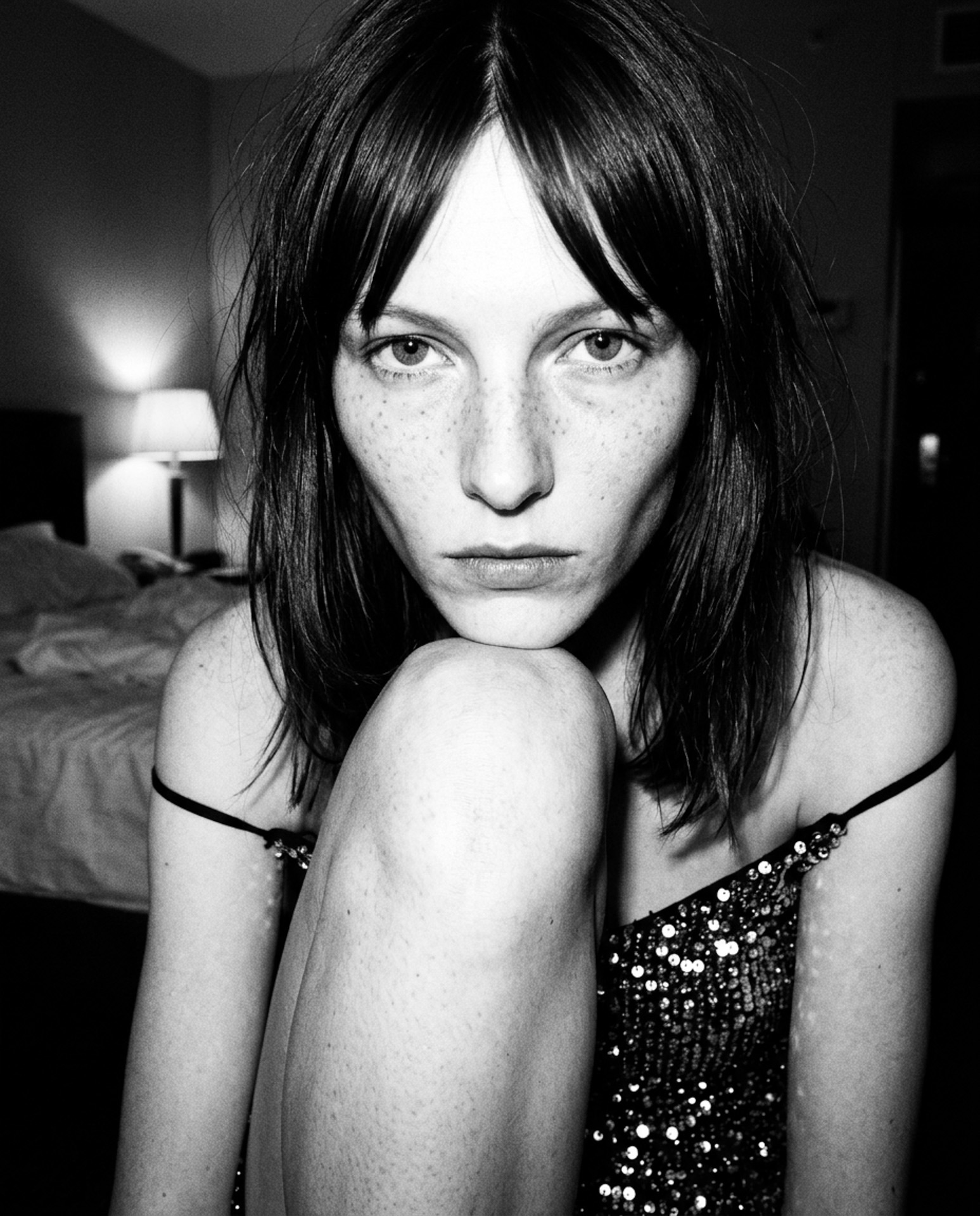
The base reference. Skin, hair, the exact placement of every freckle. Everything that follows pivots from this anchor frame.
Same face, new posture. Tailoring drops in. The studio light shifts but the identity does not.
Different garment, different attitude. The system holds the cast — wardrobe and grade move freely around it.
Body language changes; the face stays. The hardest test for any generative pipeline — and the one that sells the campaign.
Closer crop, soft light, more skin. Same eyes, same expression. Continuity across emotional registers.
A new prop and a smile. The character reads instantly — even when the styling pivots from minimal to playful.
Texture-heavy fabric. The grade absorbs it; the model still belongs to the same campaign world.
Eyes closed. The face is recognizable without expression — the deepest proof of identity stability.
A pulled-in crop. Same skin tone, same micro-textures. Continuity at the macro and the micro scale.
Final frame. New room, new light, same person. Ten frames into the story, the cast hasn't slipped once.
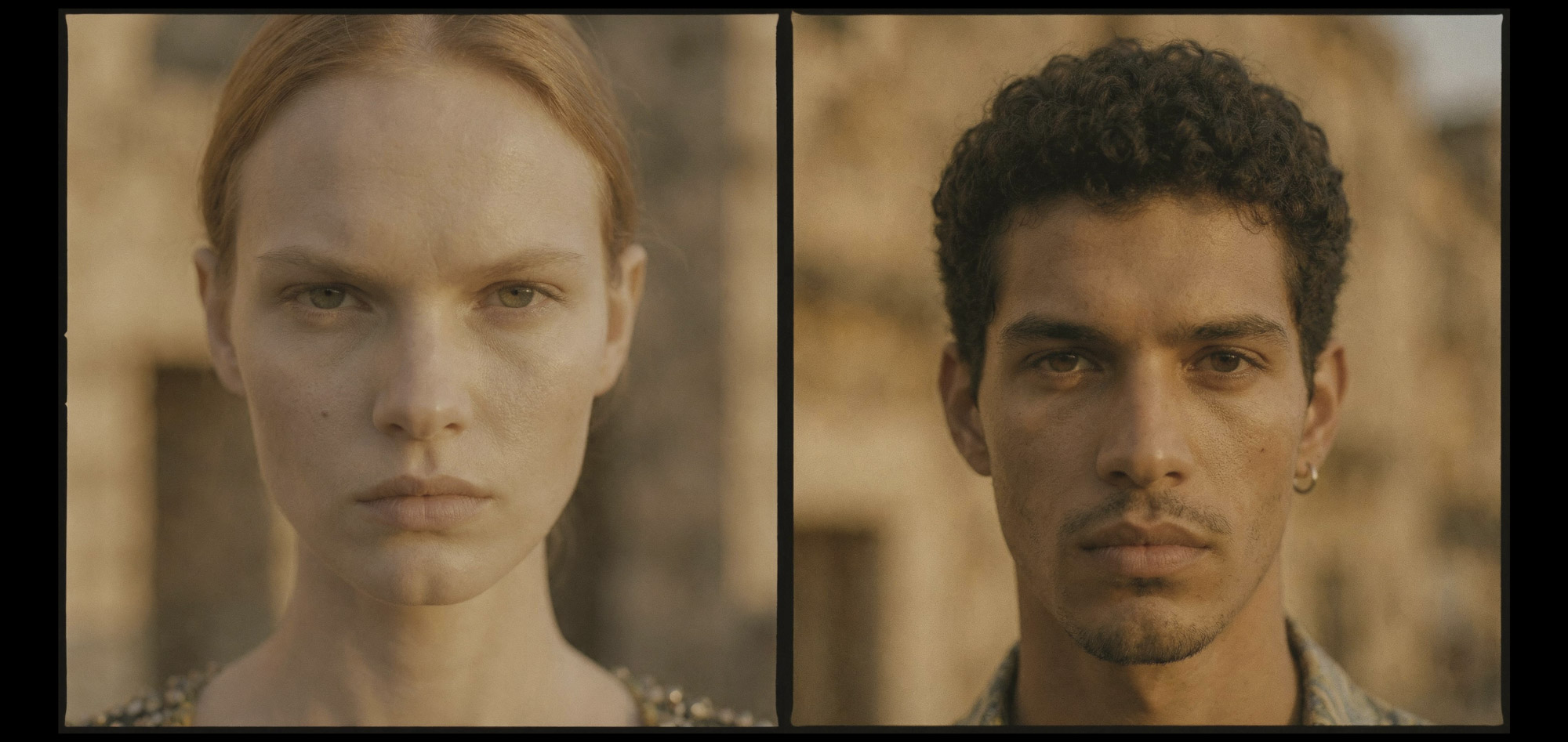
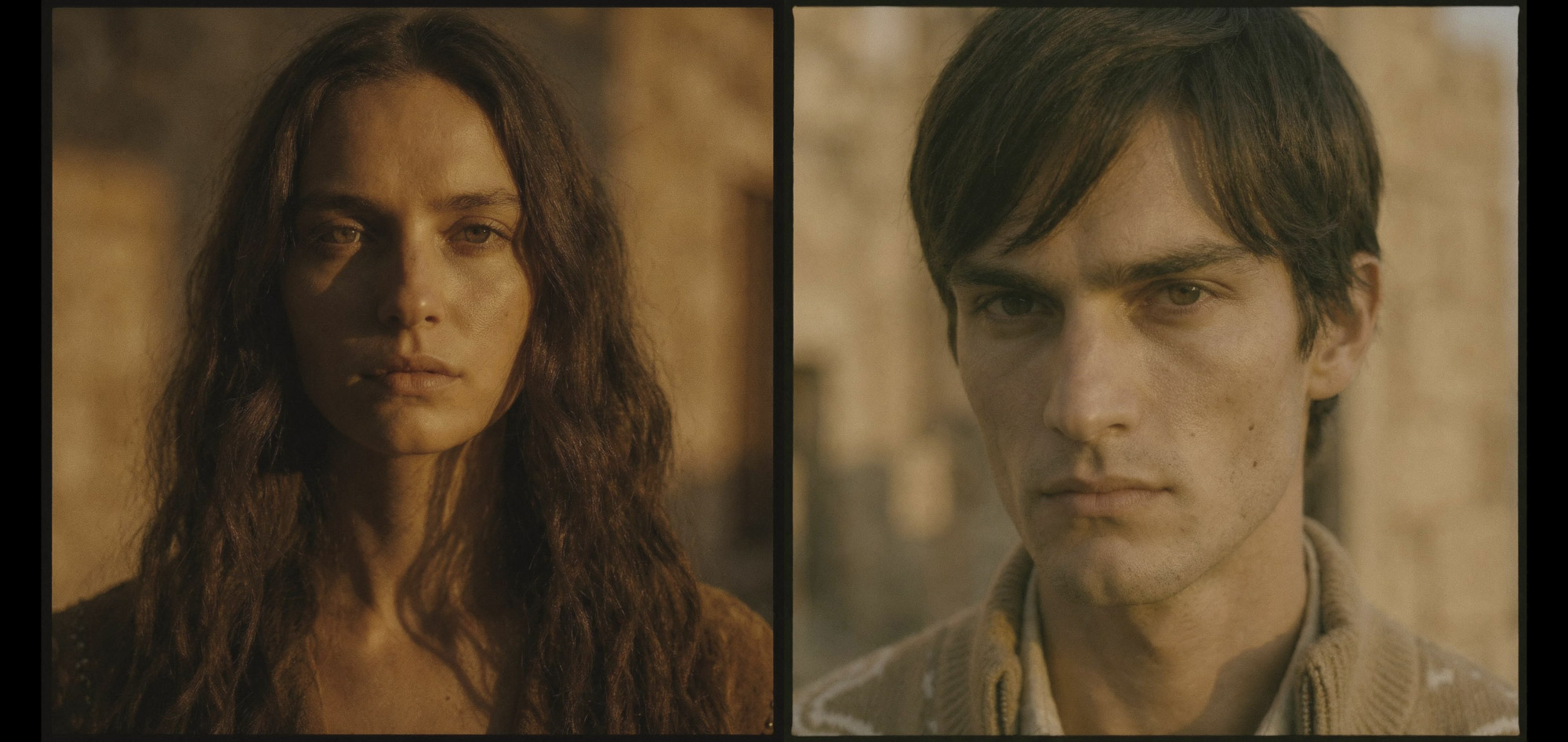
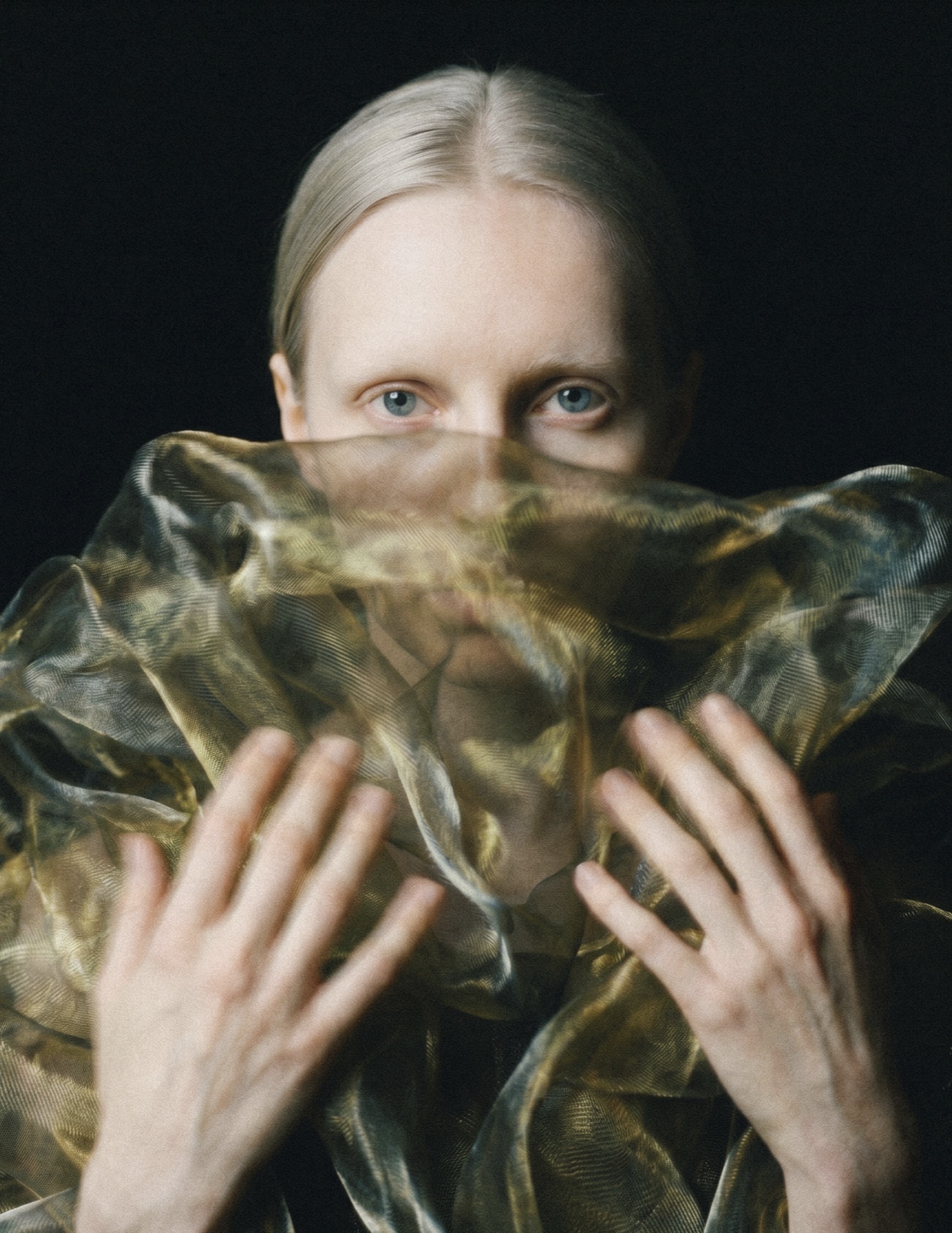
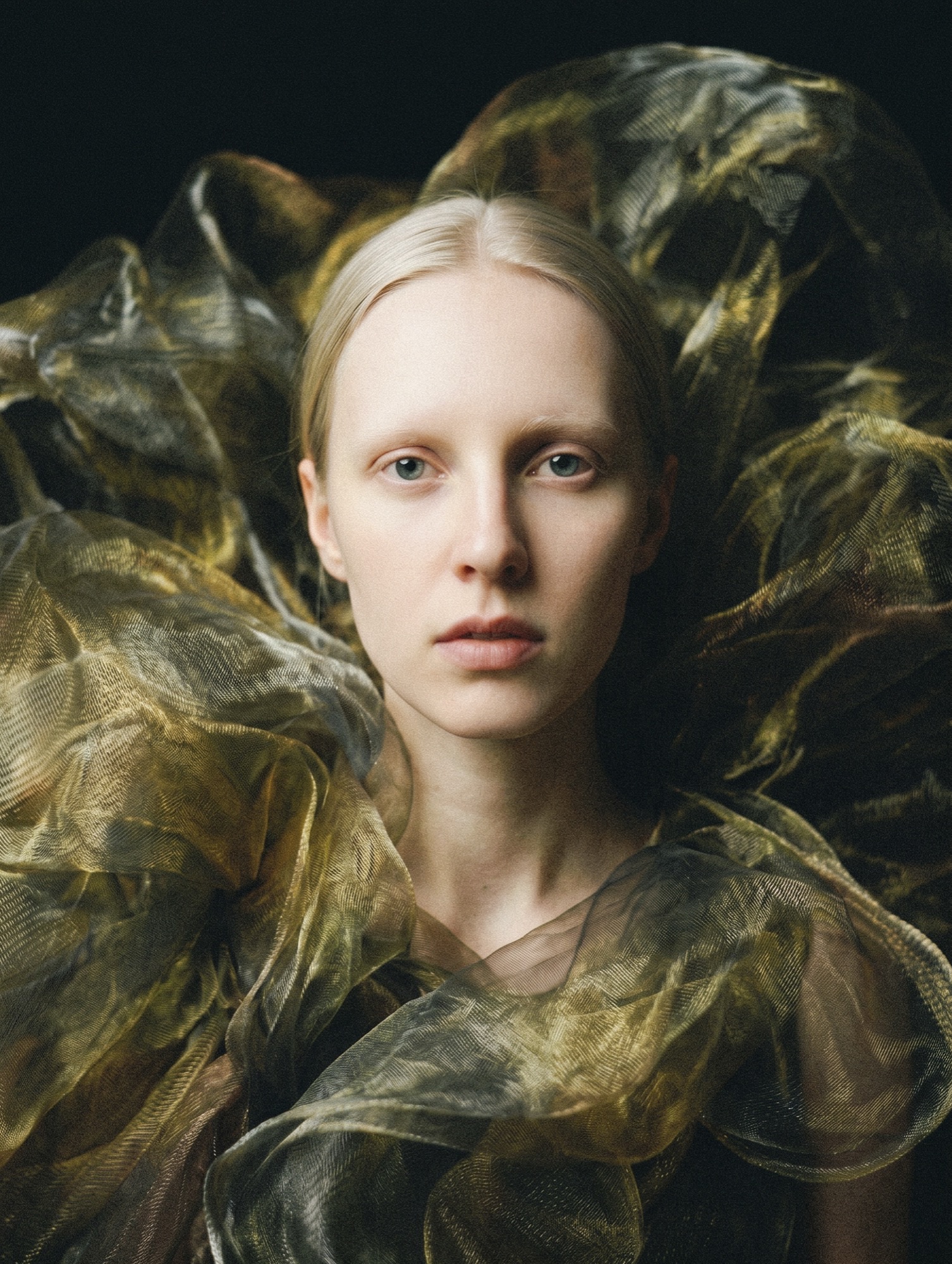
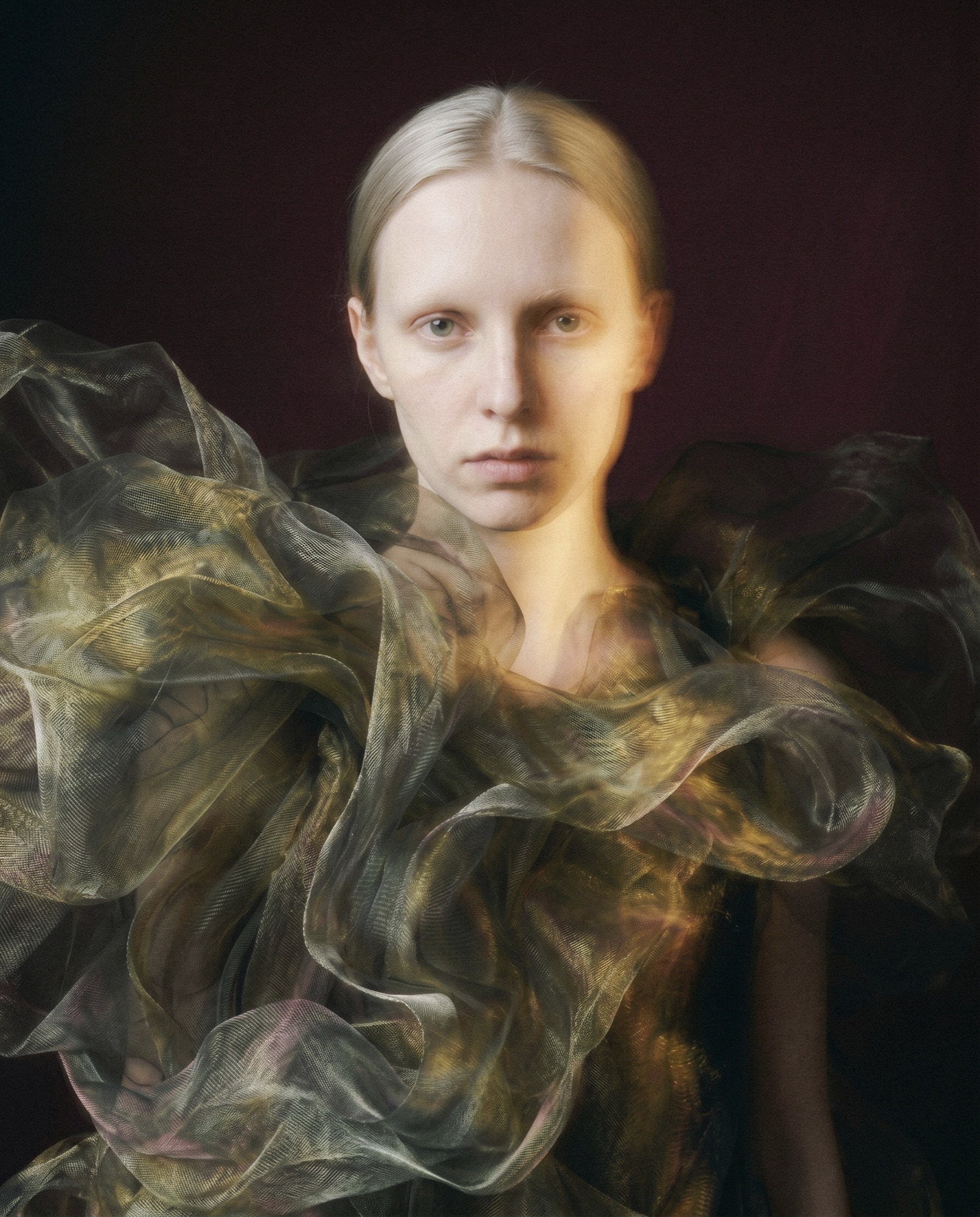
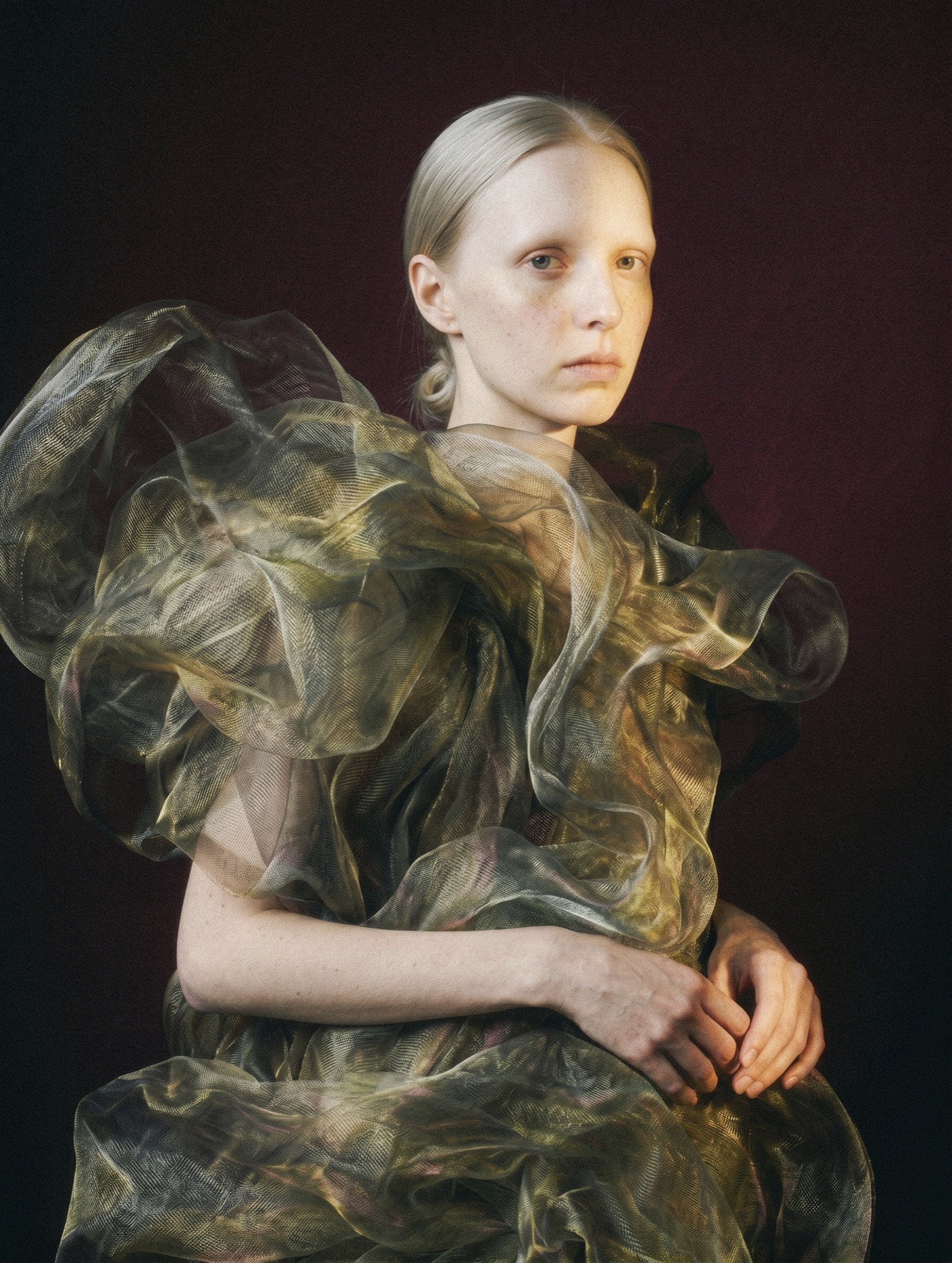
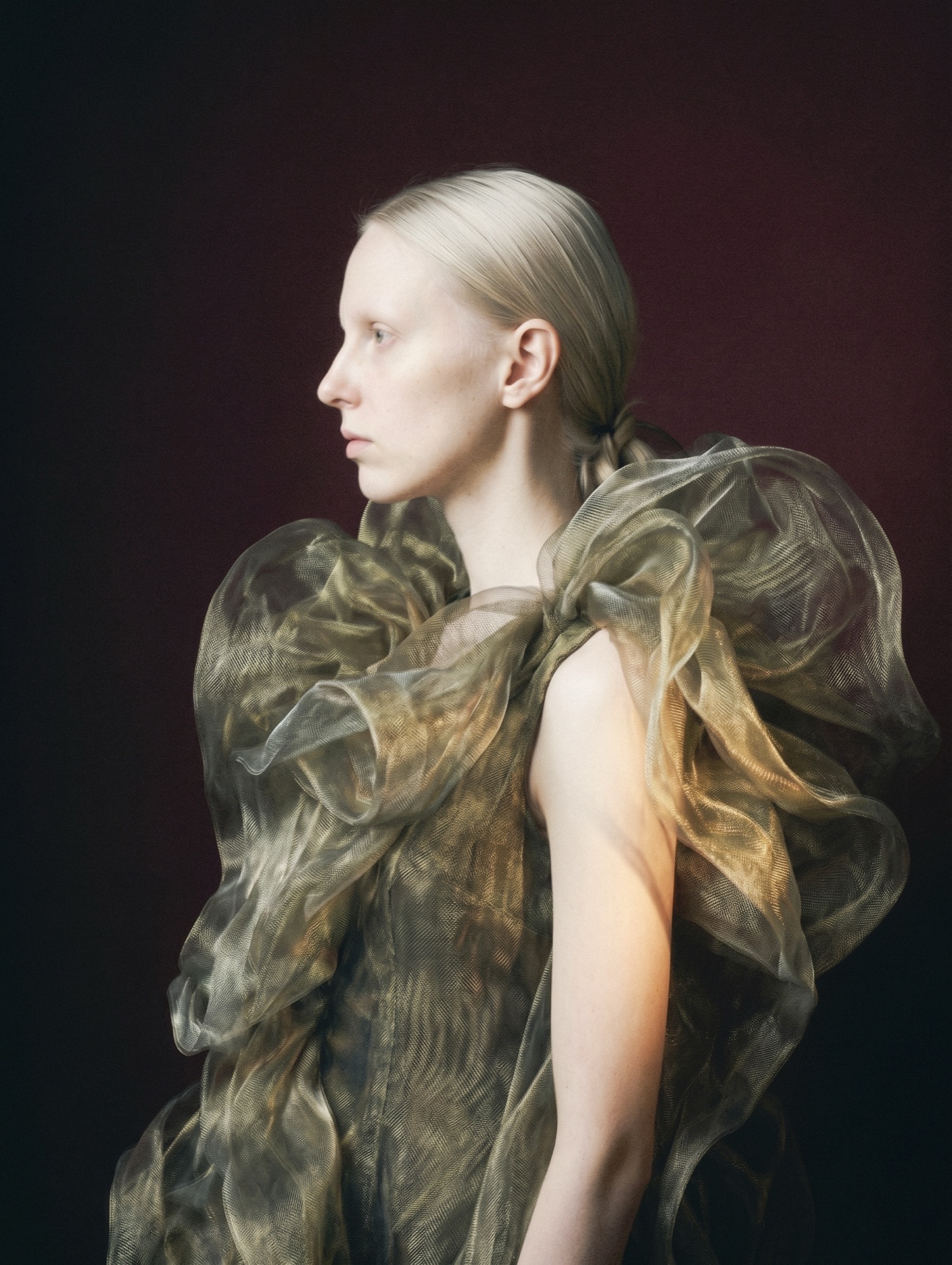
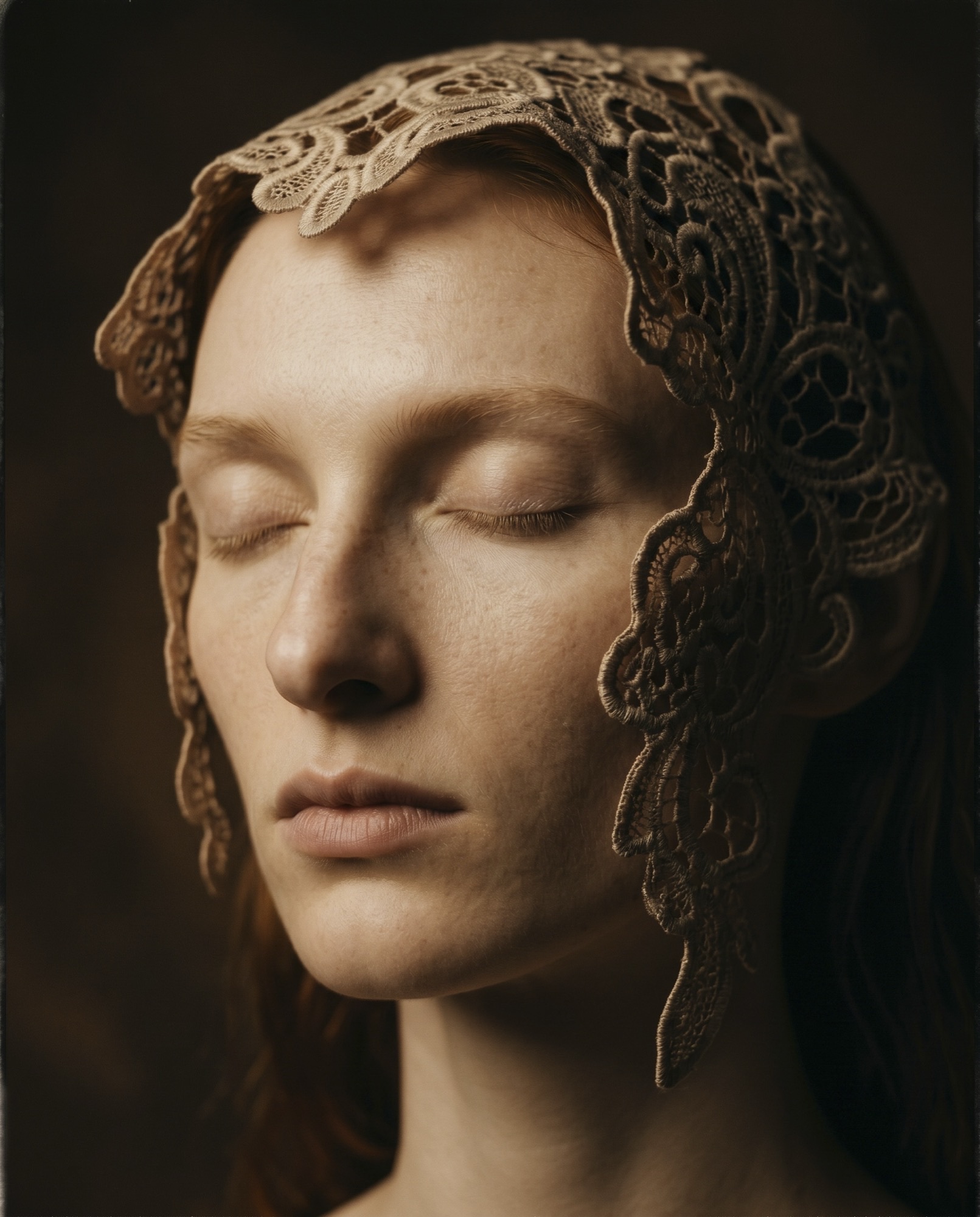
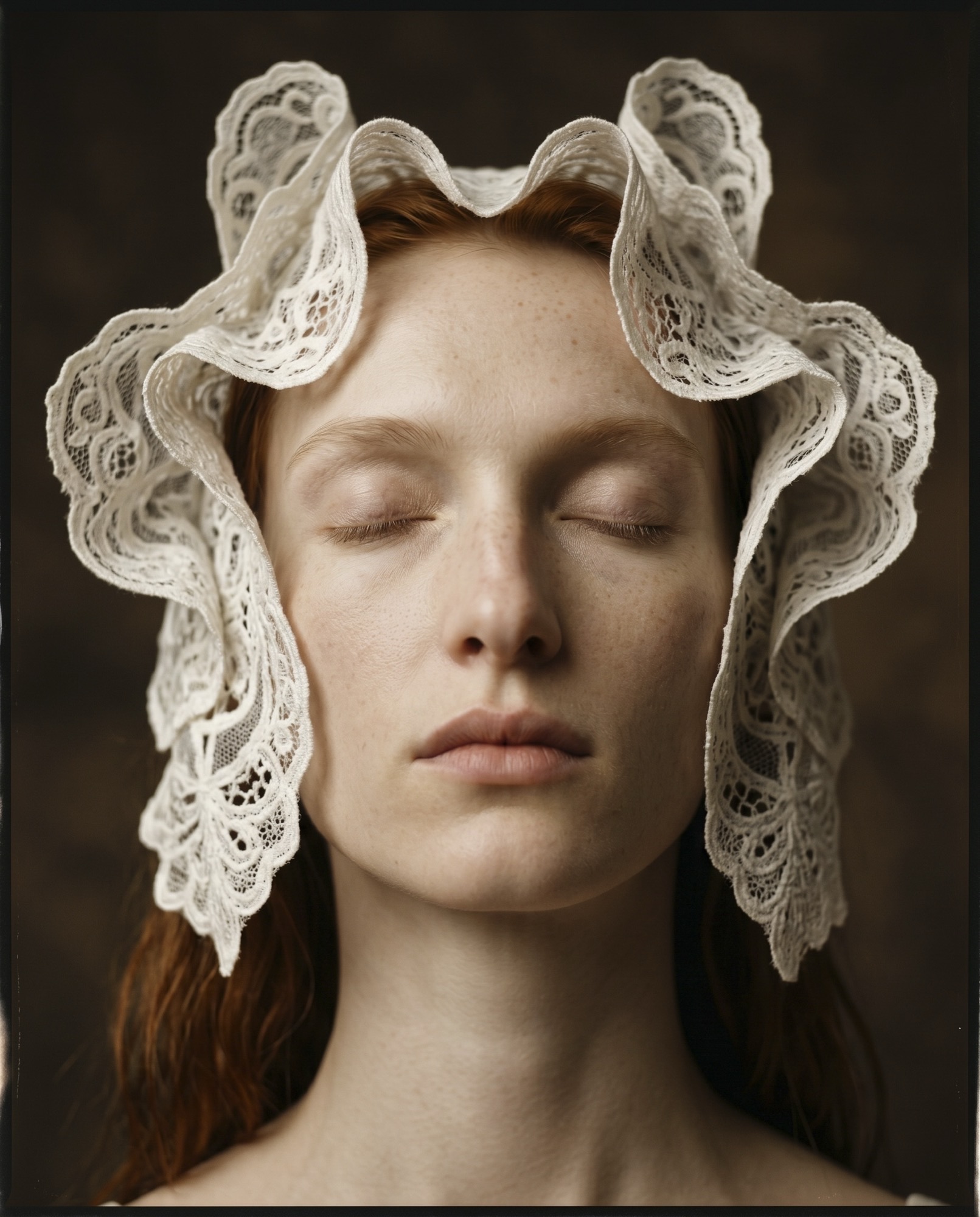
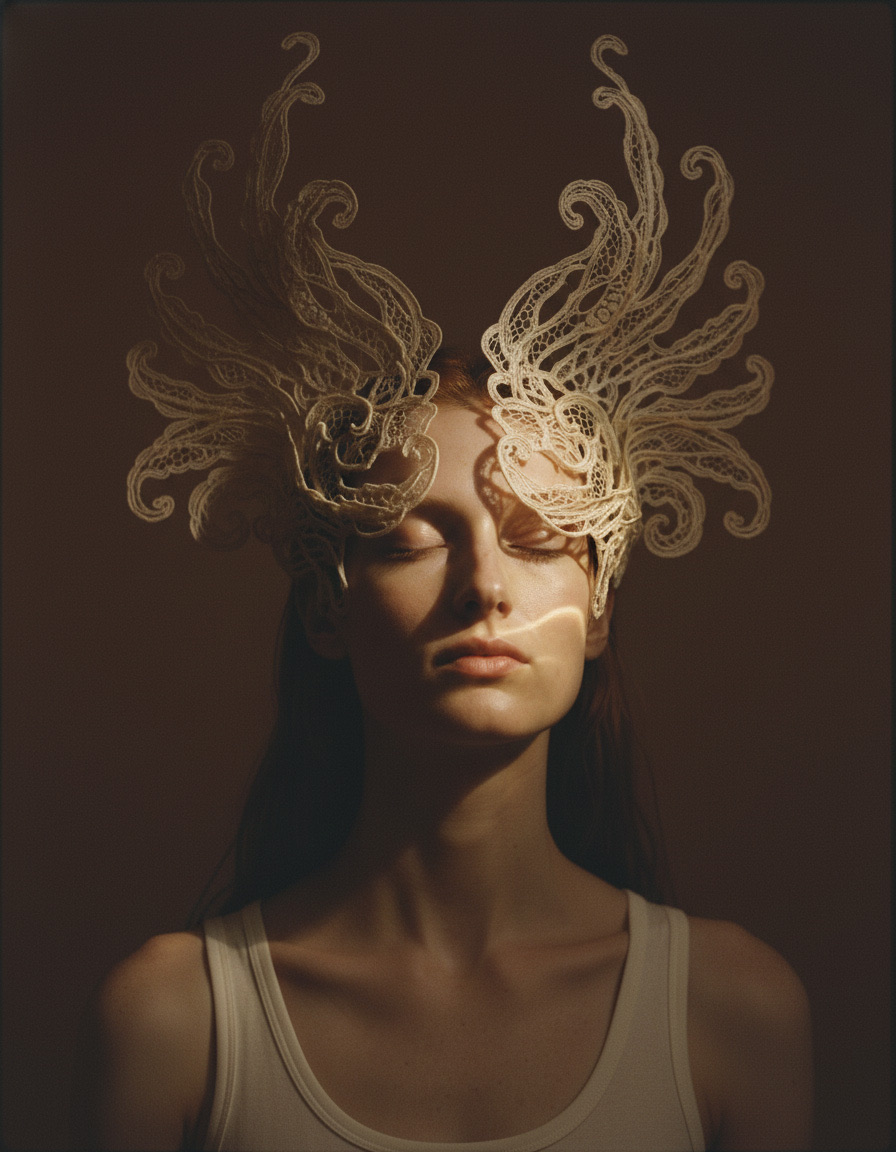
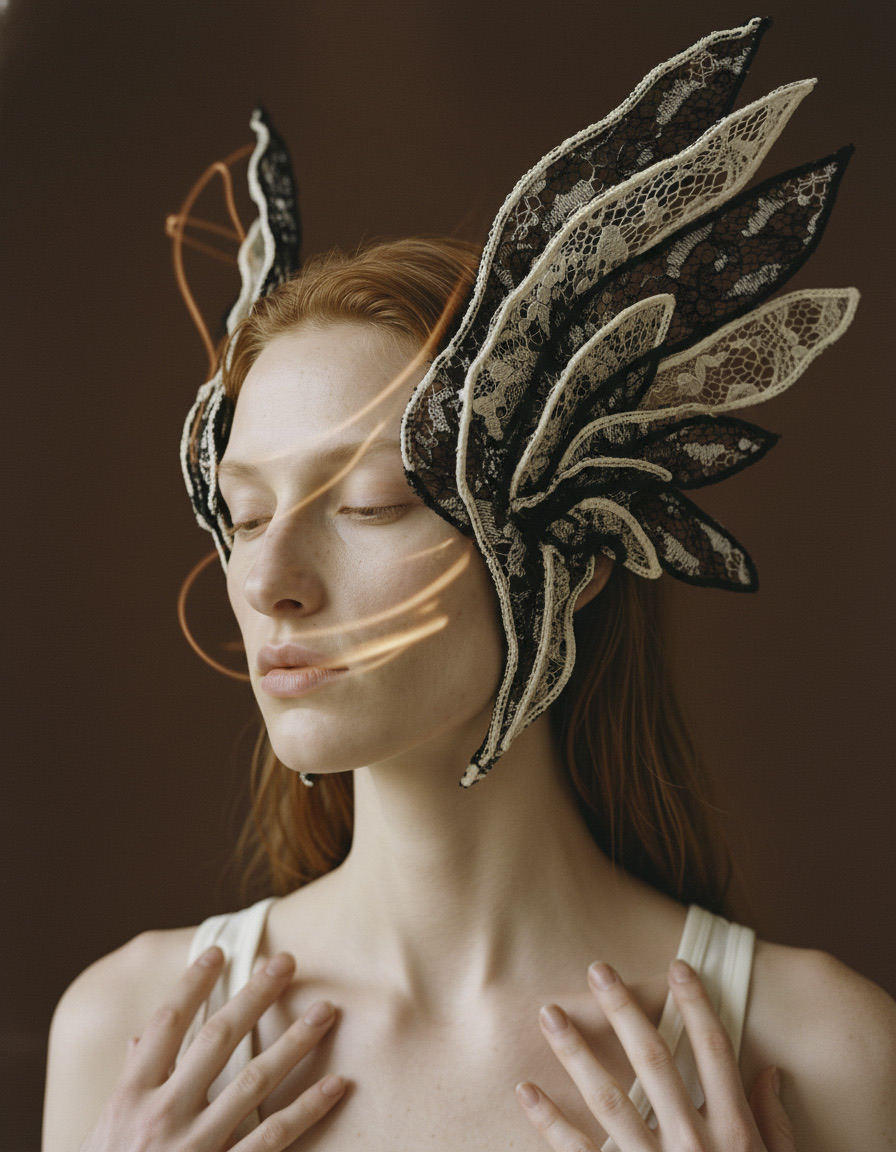
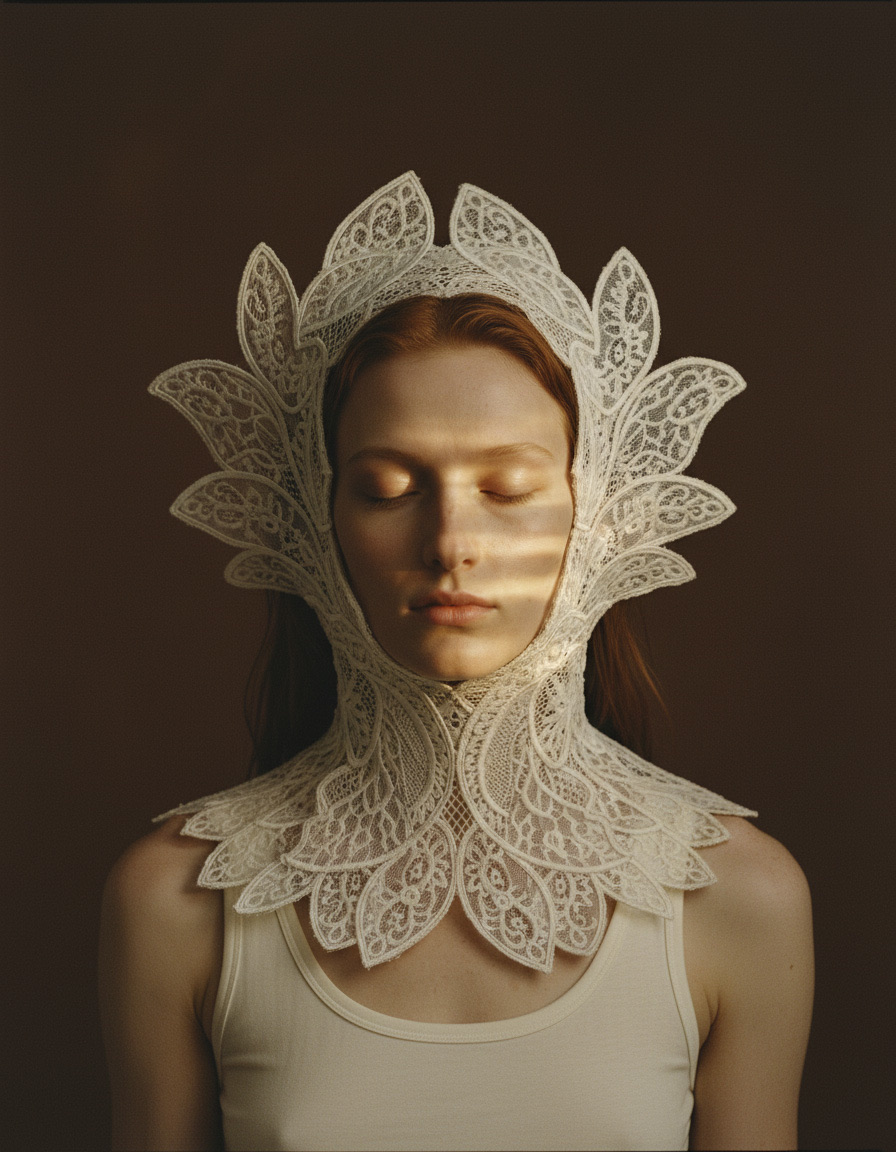
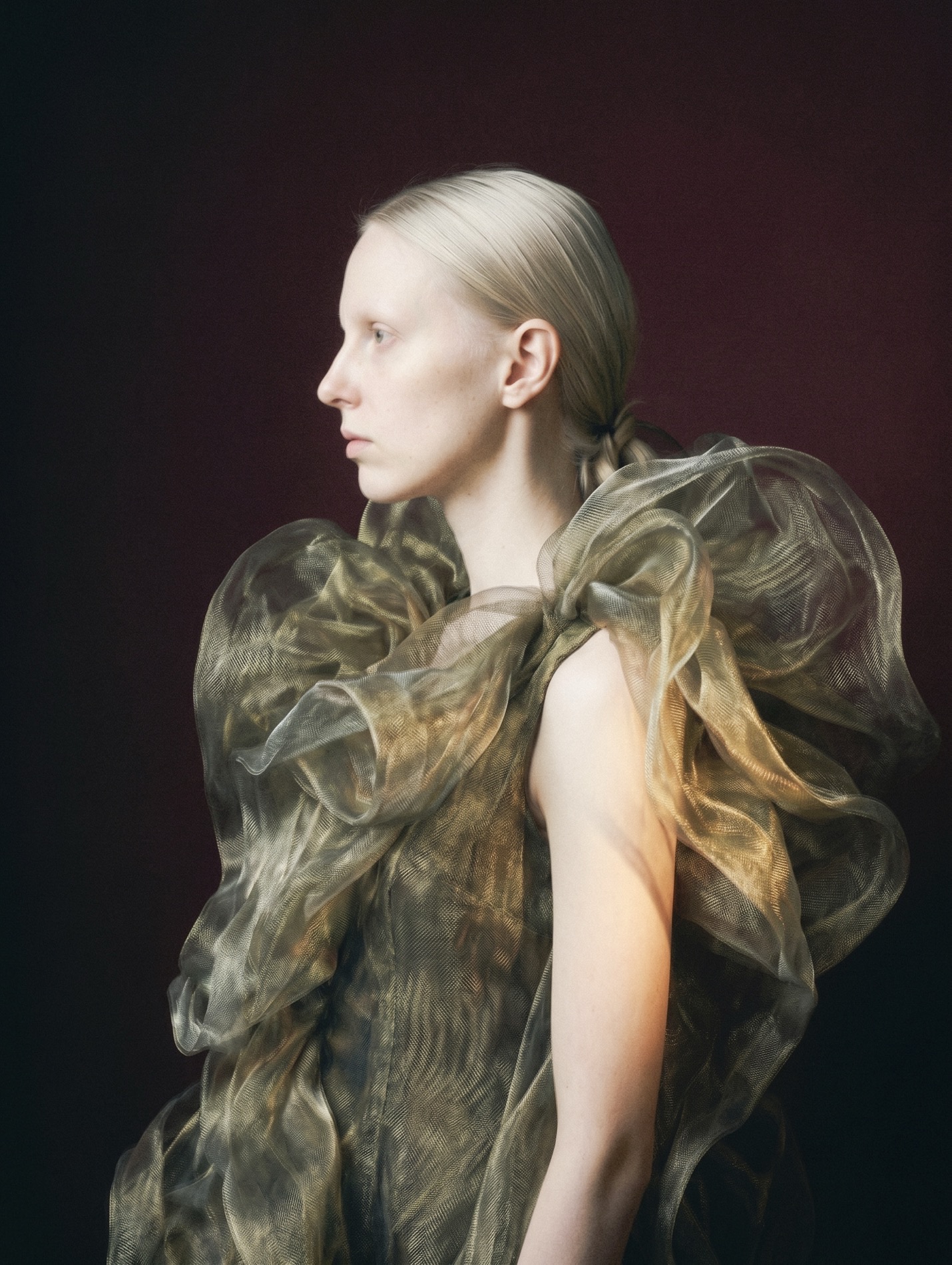
A study in veils — gilded tulle, ivory lace, sculpted shape. Two characters, two materials, one painterly grade. The cast and the fabric shift from frame to frame, but the same studio light and the same burgundy depth keep every portrait inside one painted world.
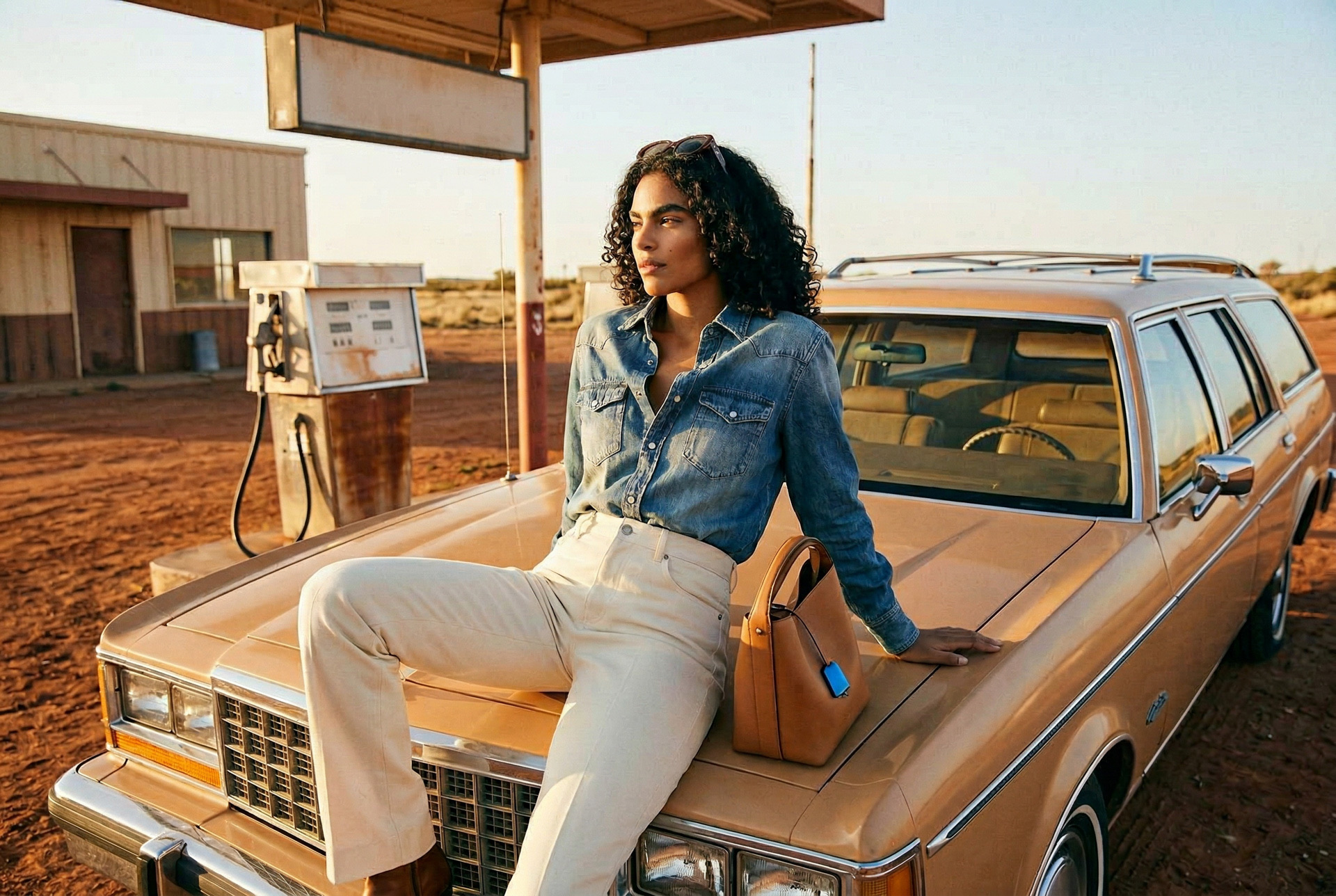
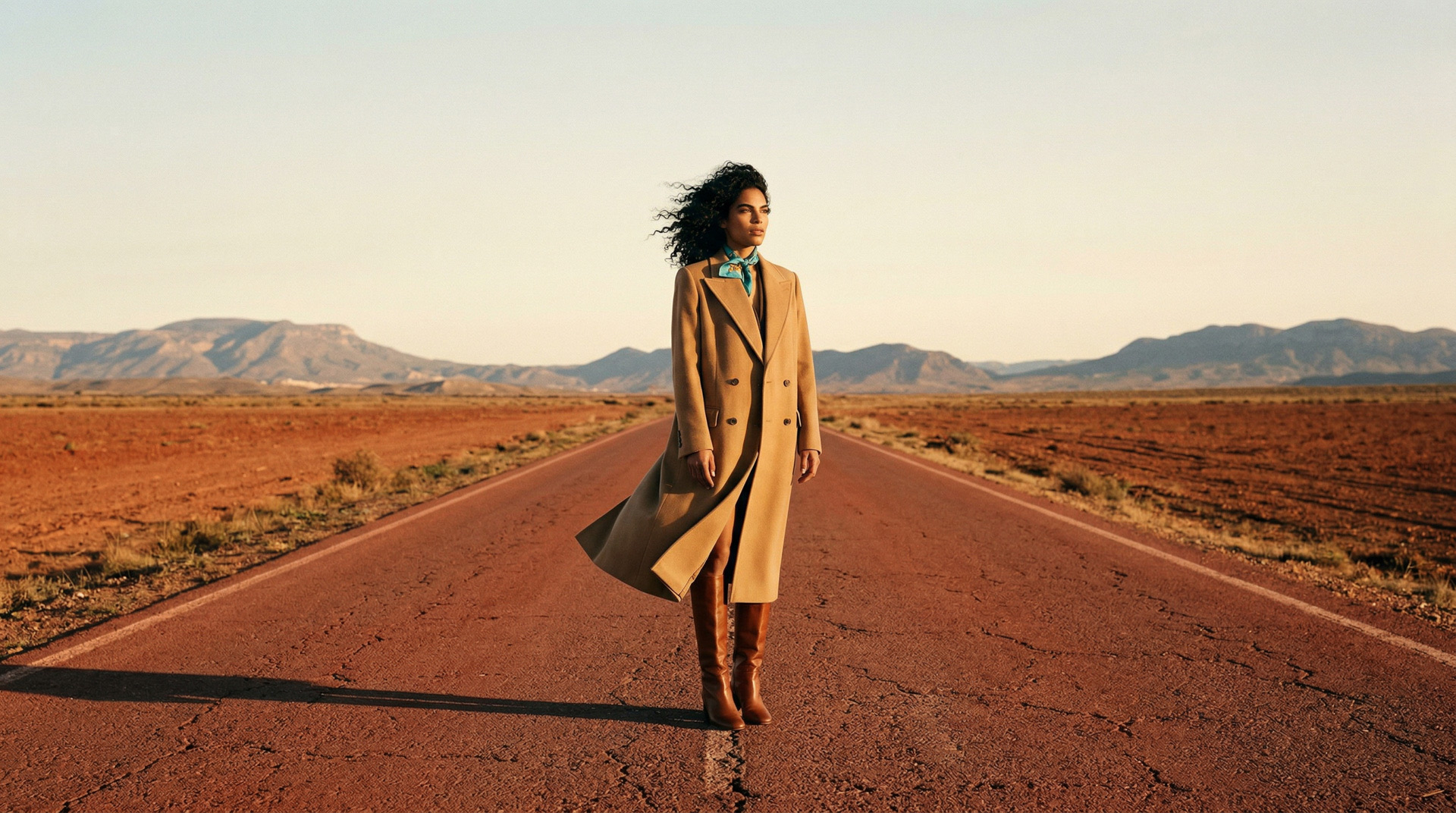
A full denim-and-leather lookbook built on one imaginary desert. Same sunset. Same dust. Same film stock. The location never existed — but the brand identity holds from hero frame to hand detail.
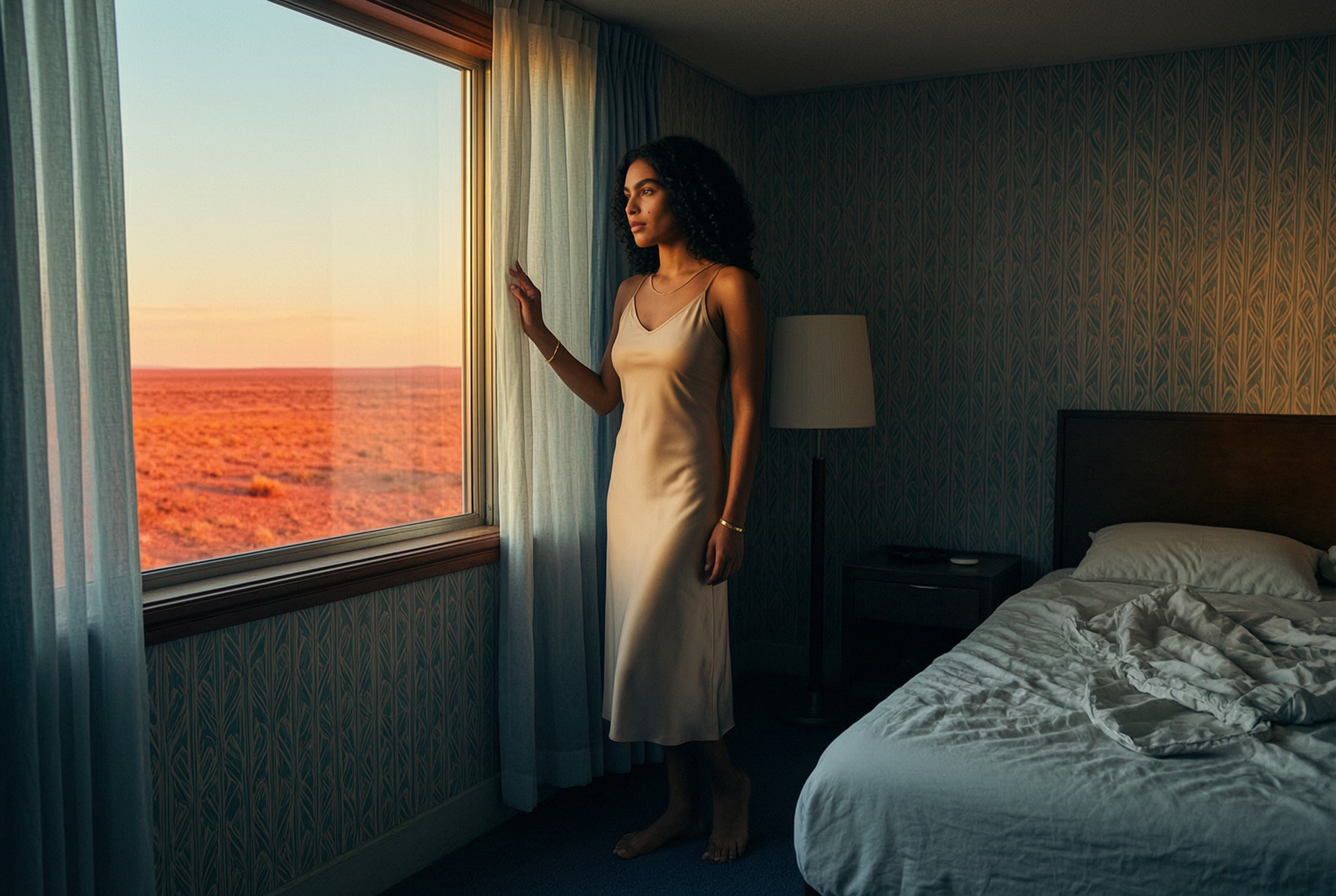
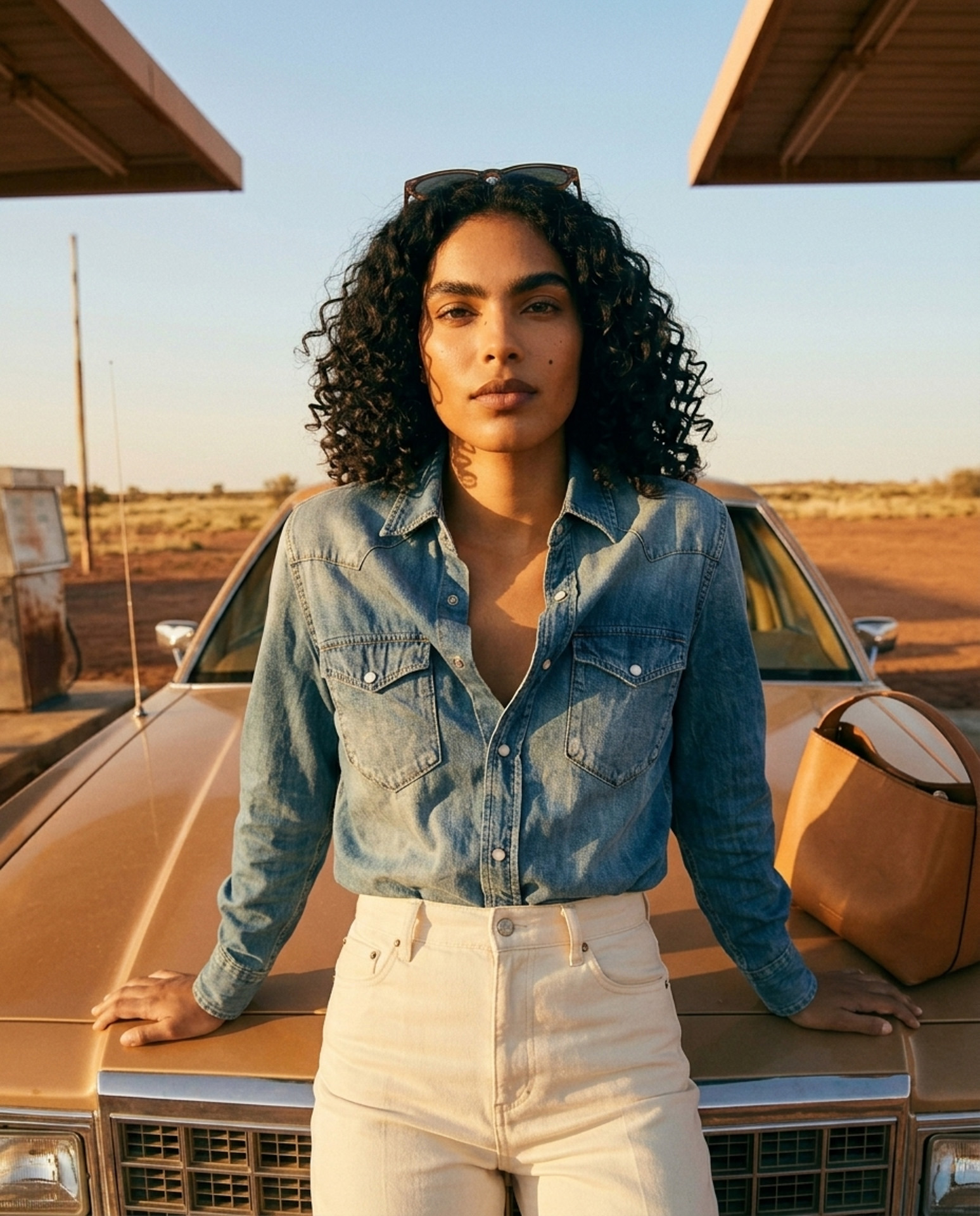
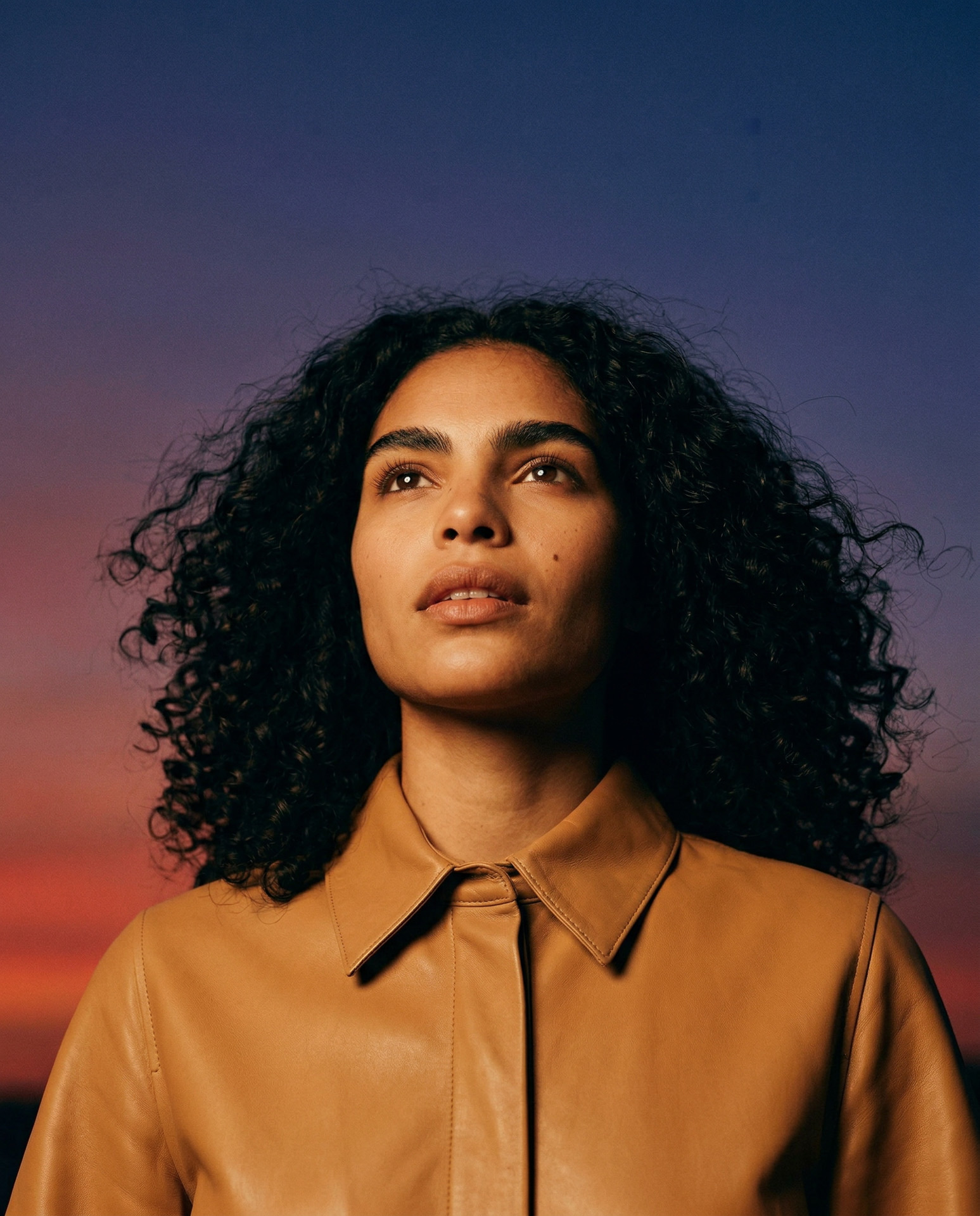
“The location never existed.Production note
The light did.”
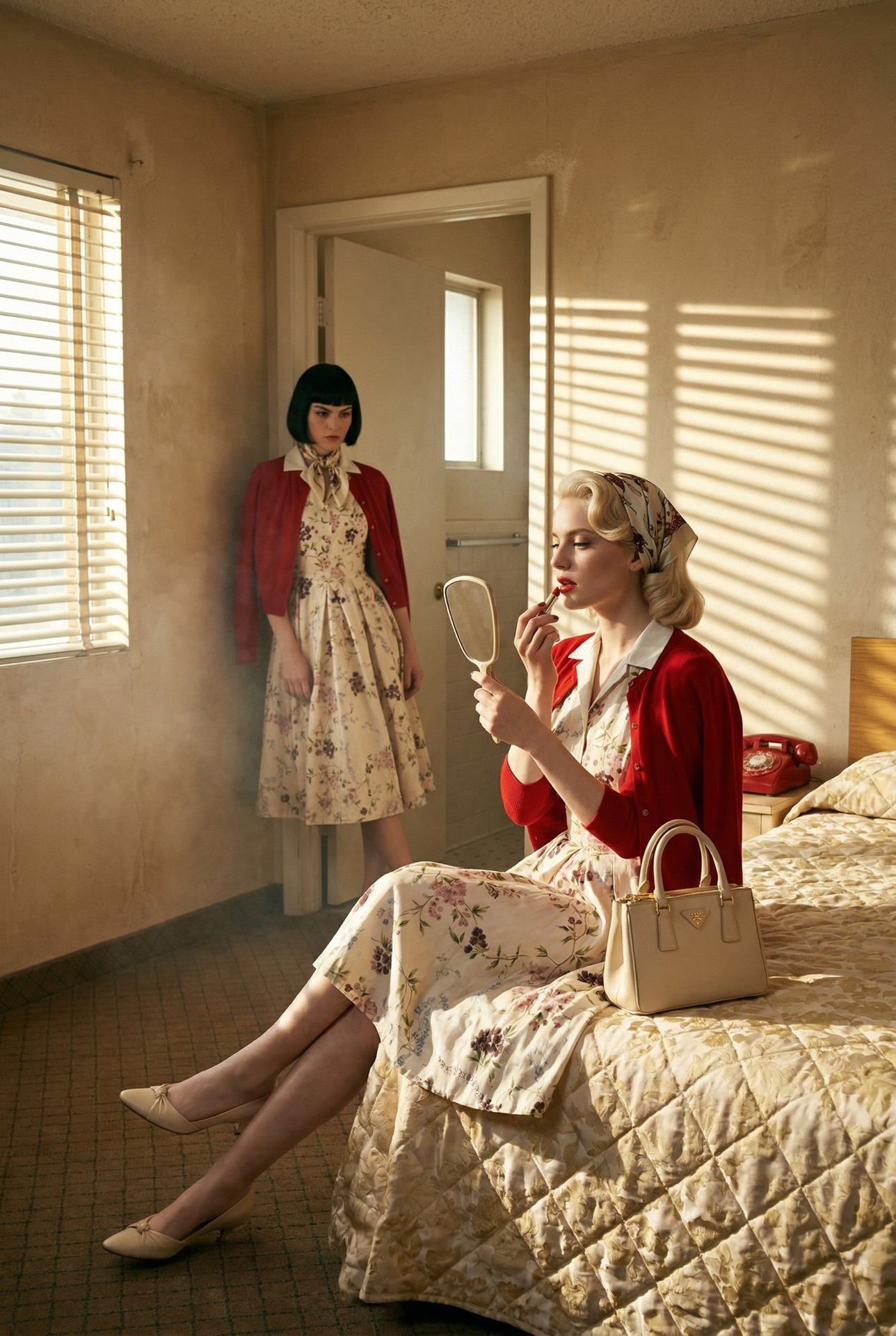
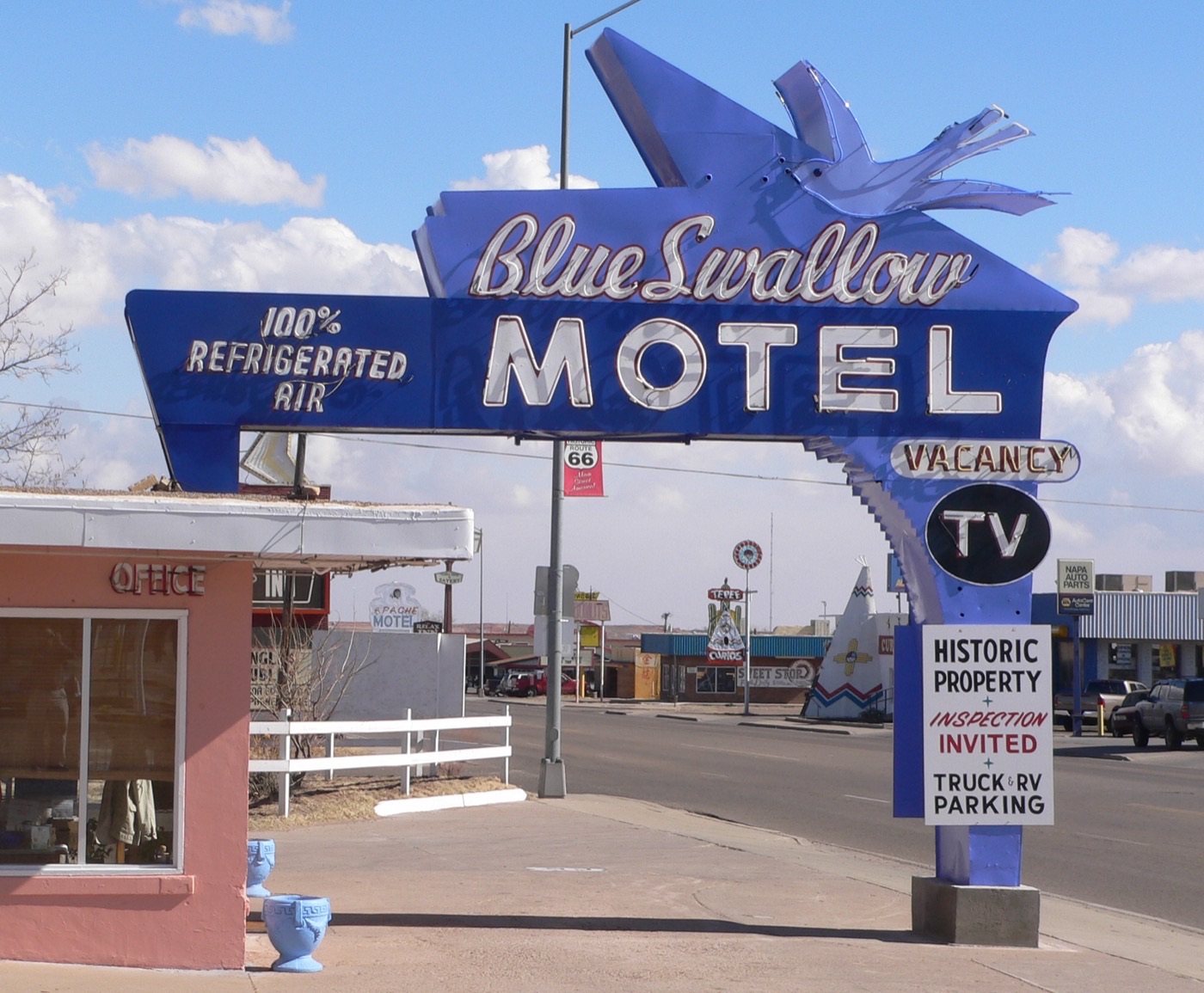
A two-character story in a 1950s American motel — same blinds, same diner booth, same palette from morning lipstick to neon evening. The kind of visual world that would take a location scout three months. Here: a week.
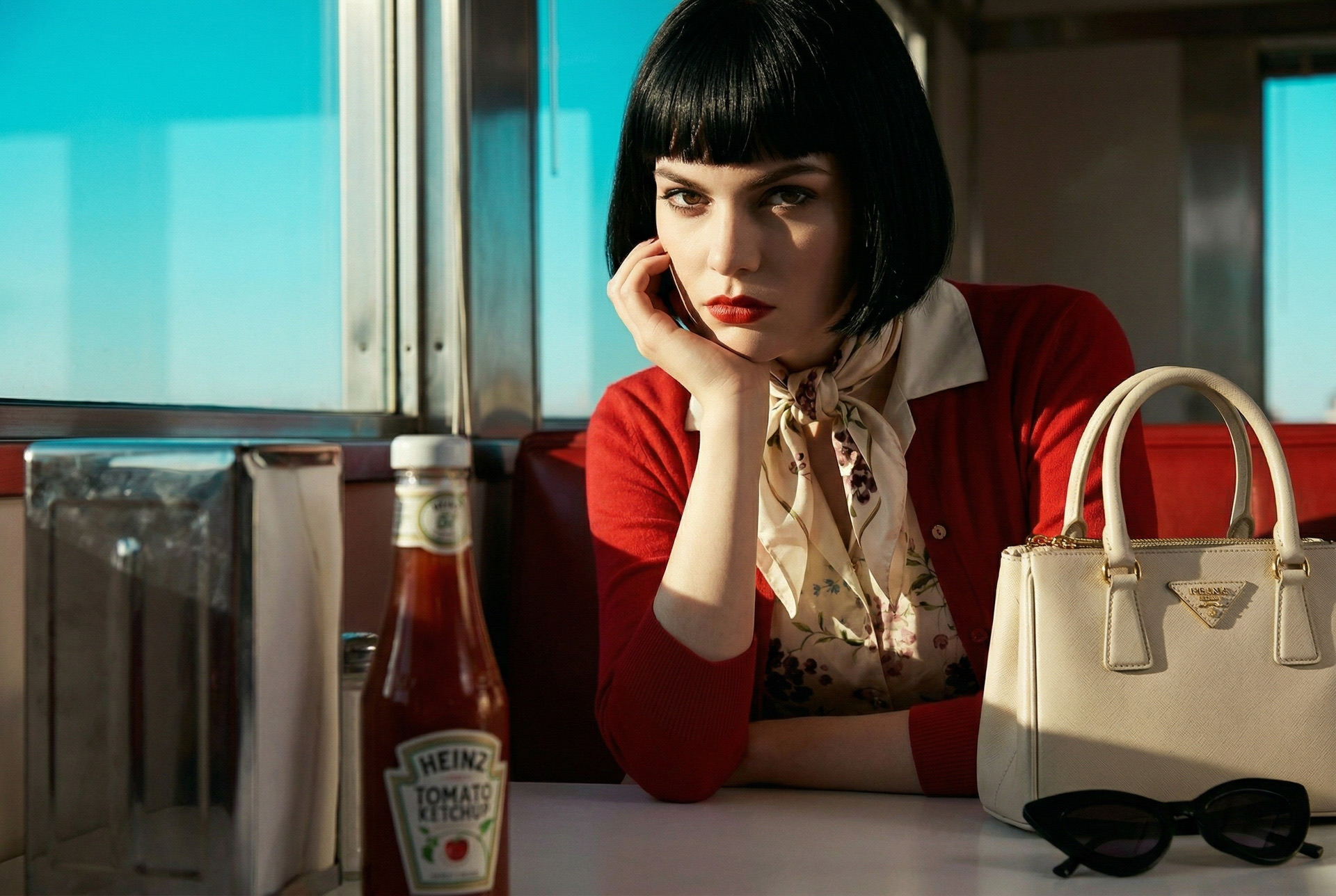
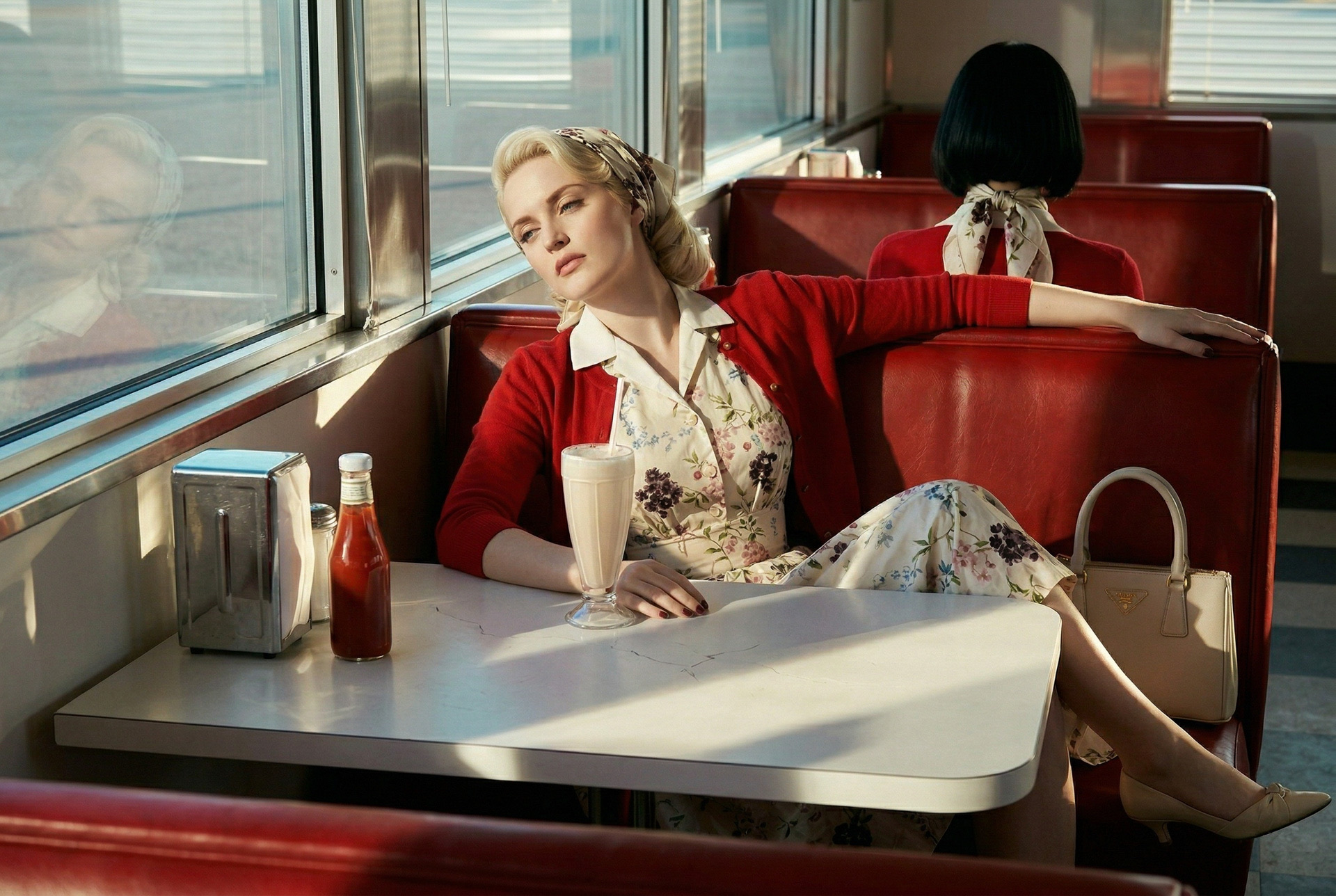
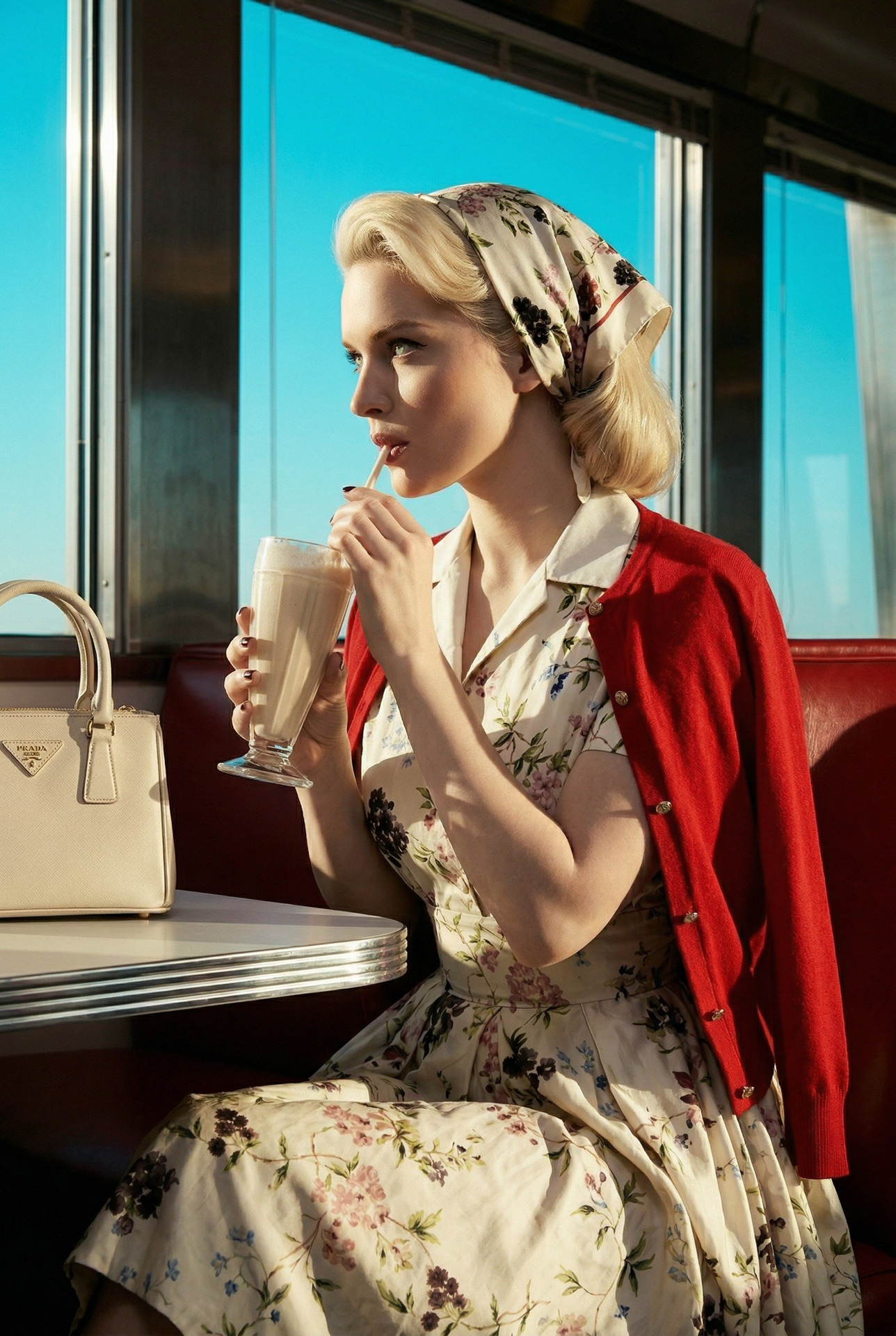
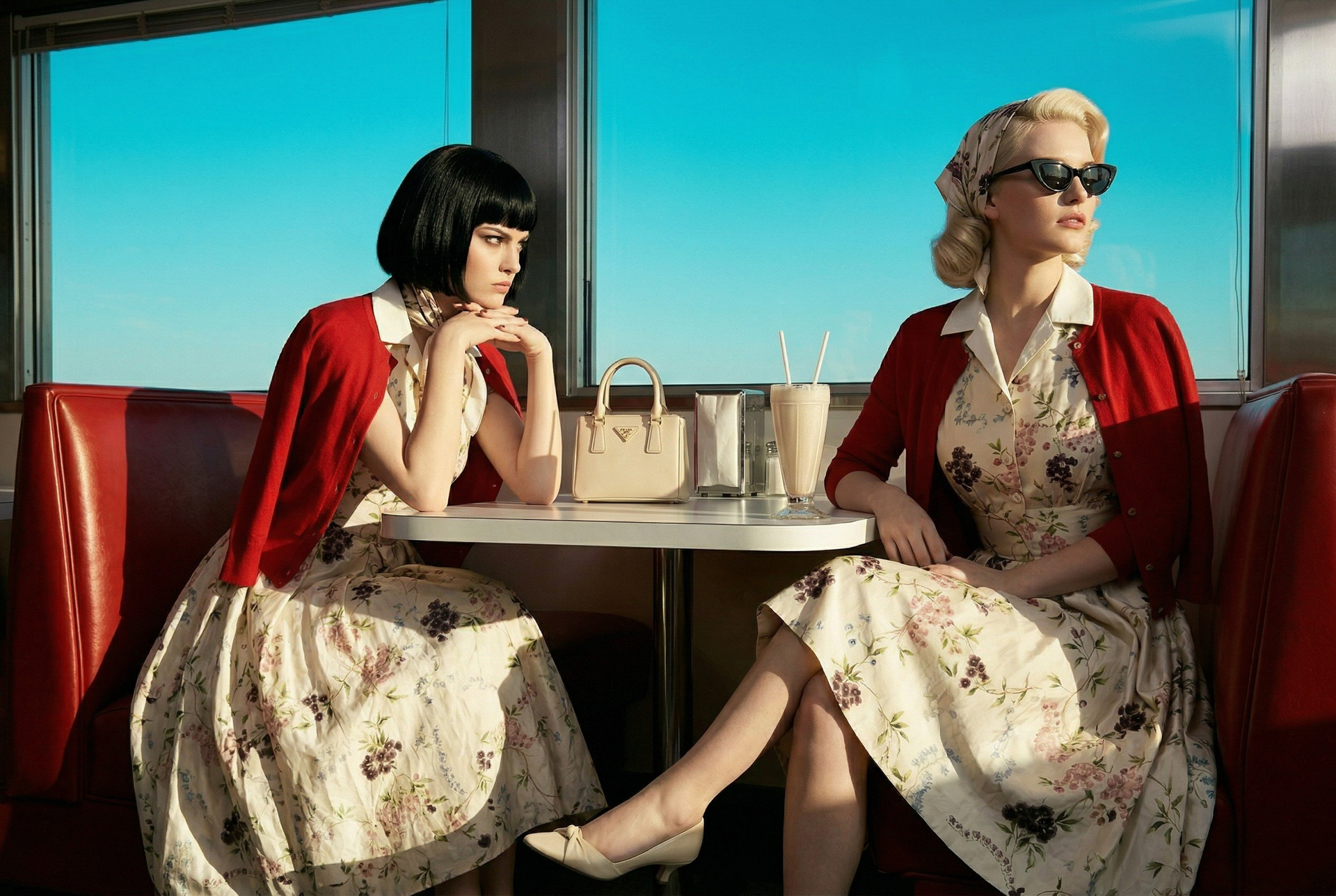
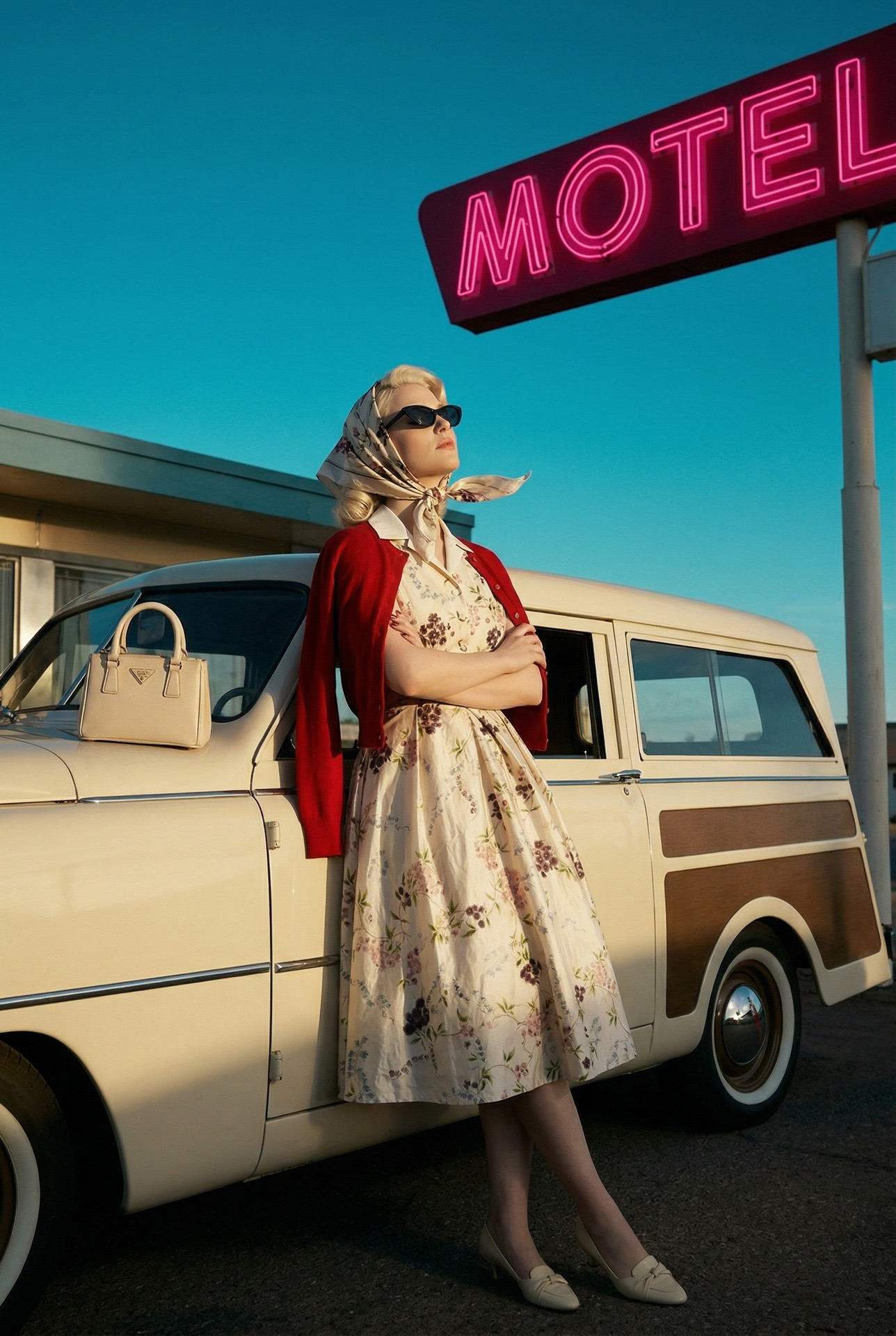
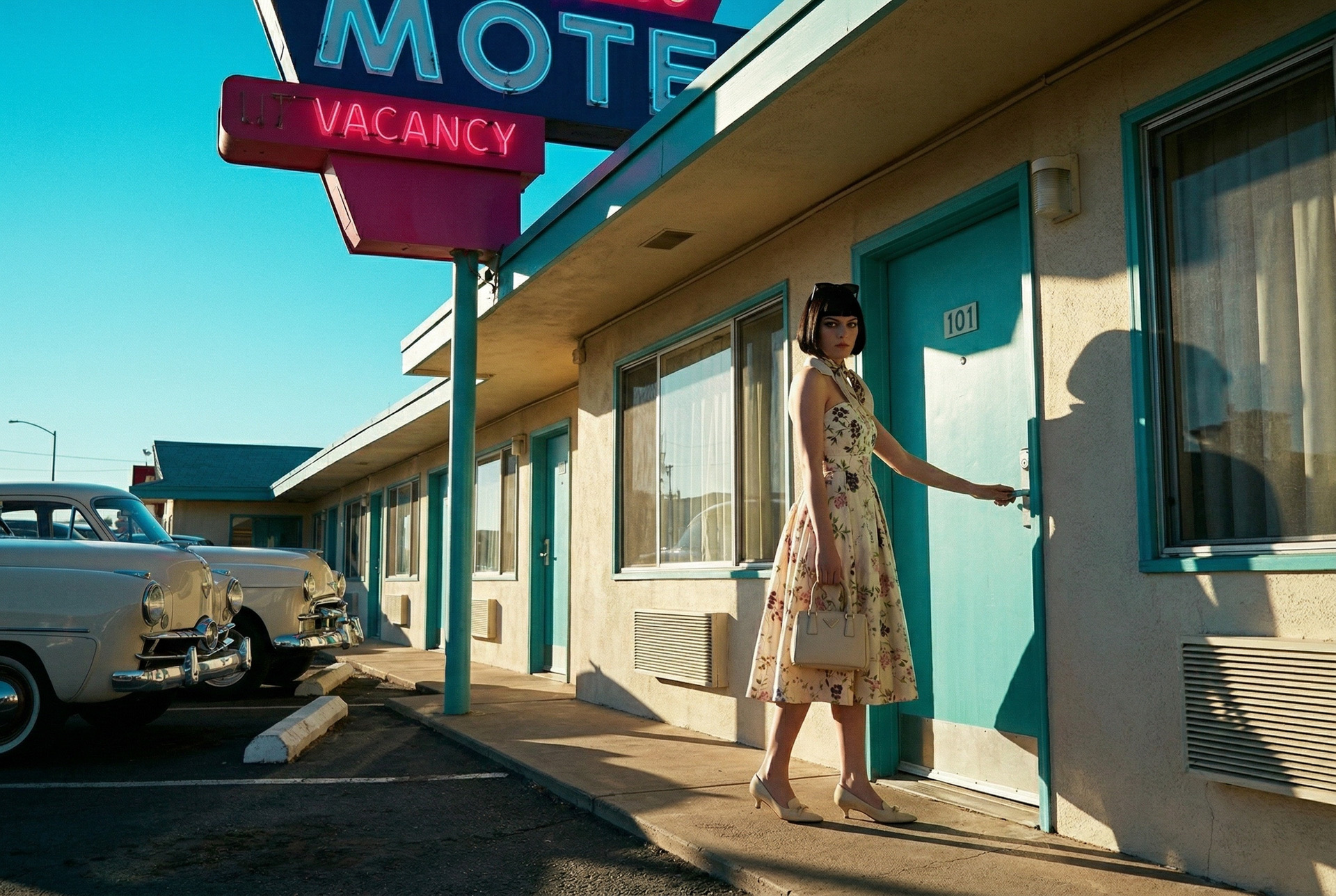
“Same booth.Director's note
Same neon.
Five days.”
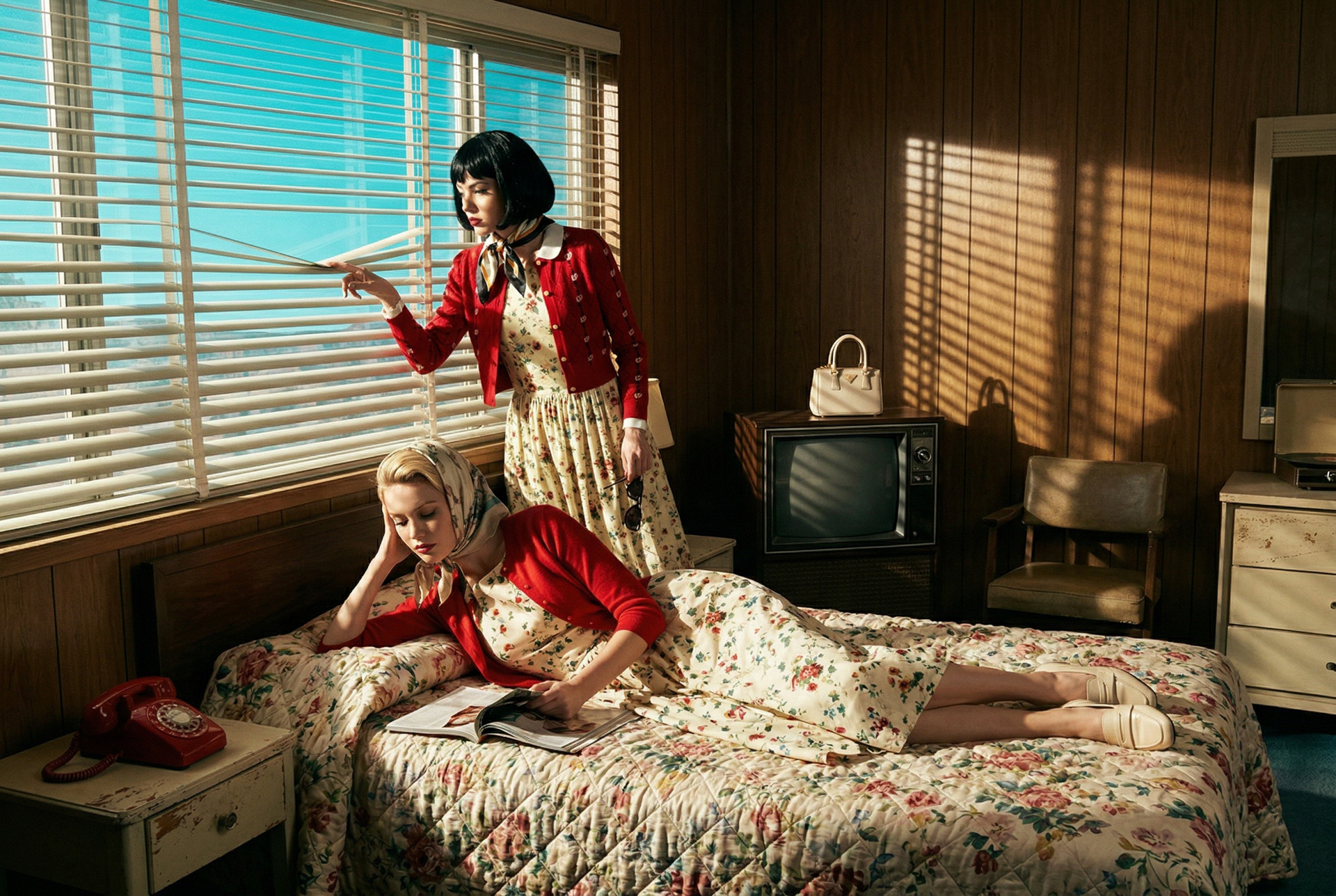
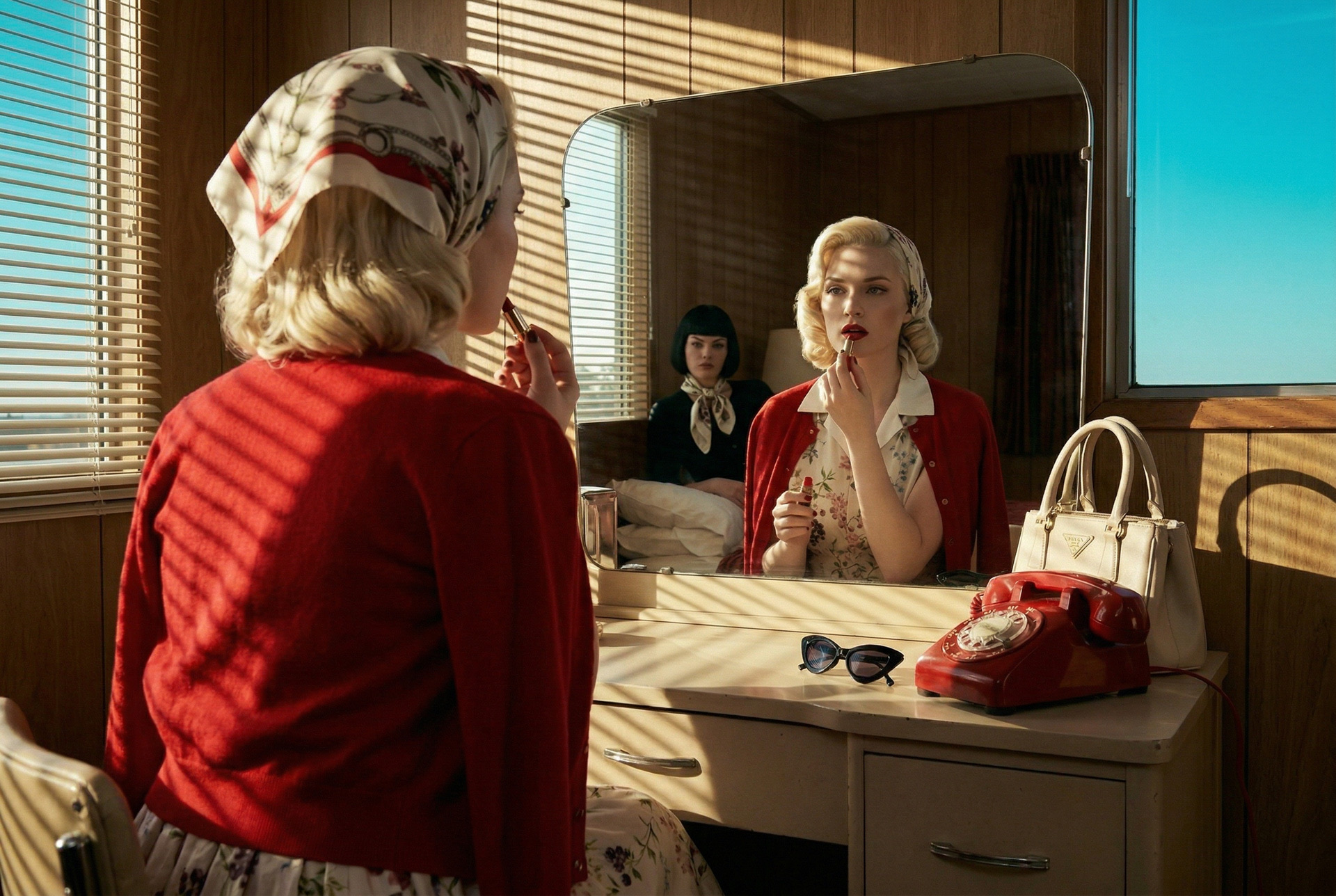
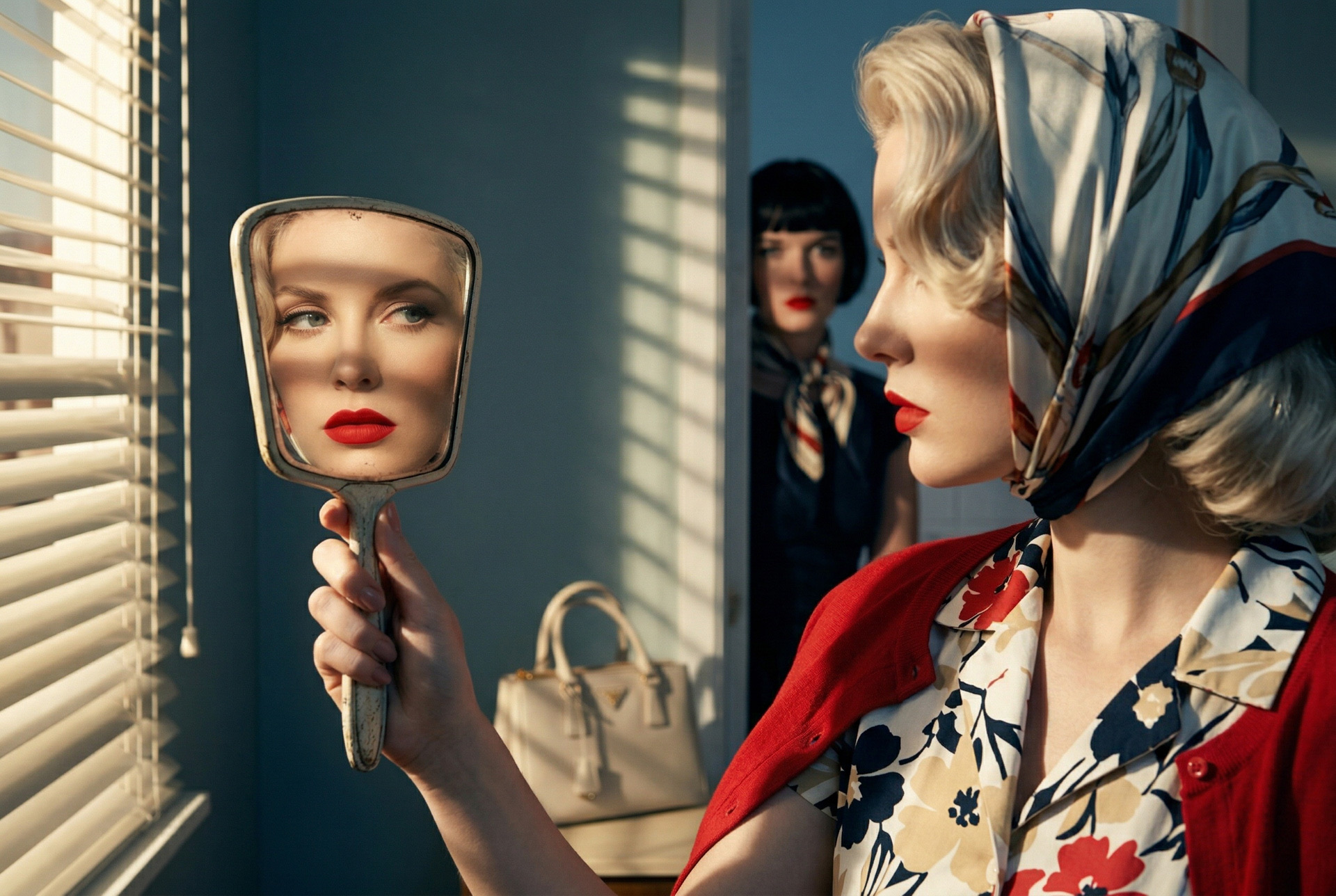
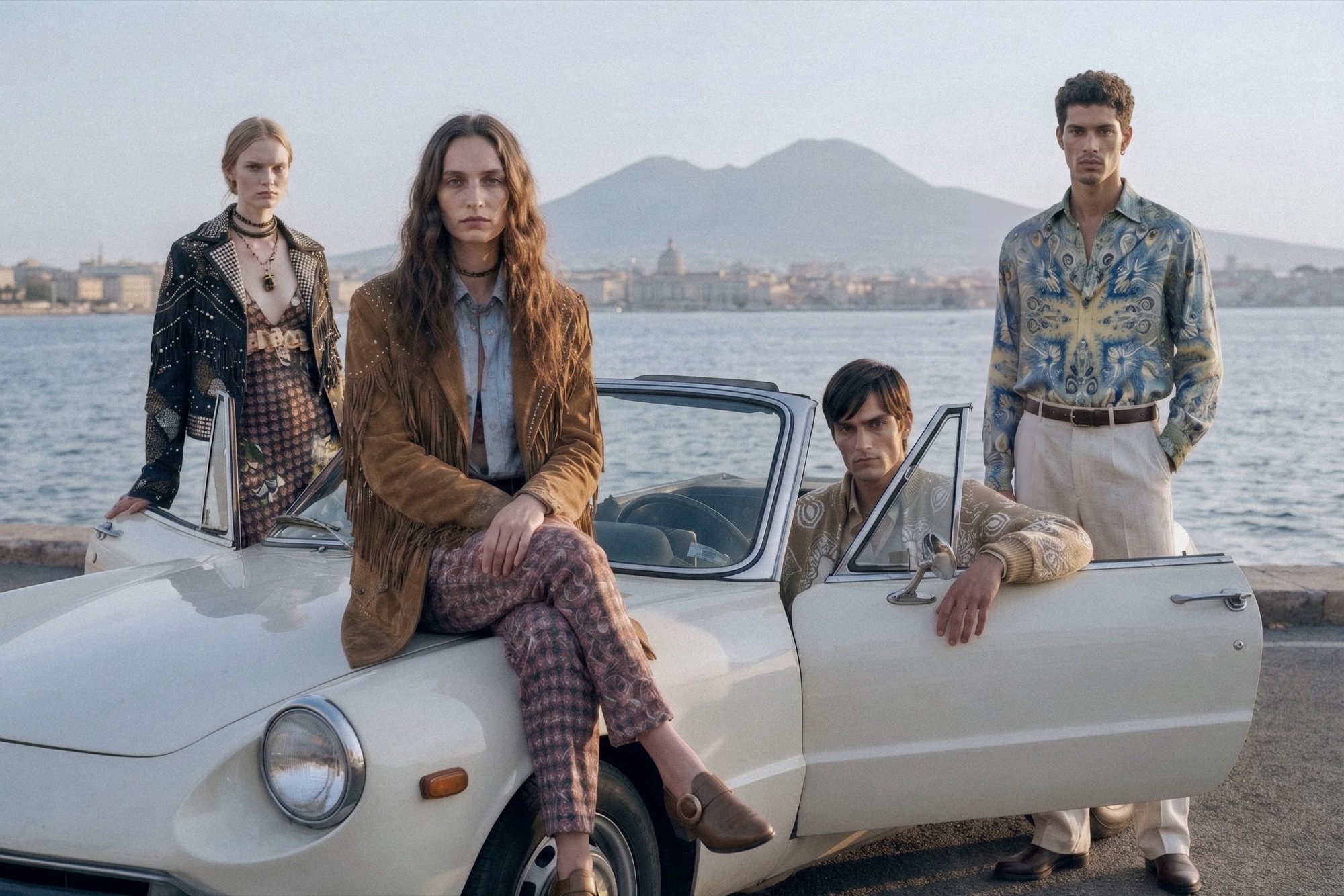
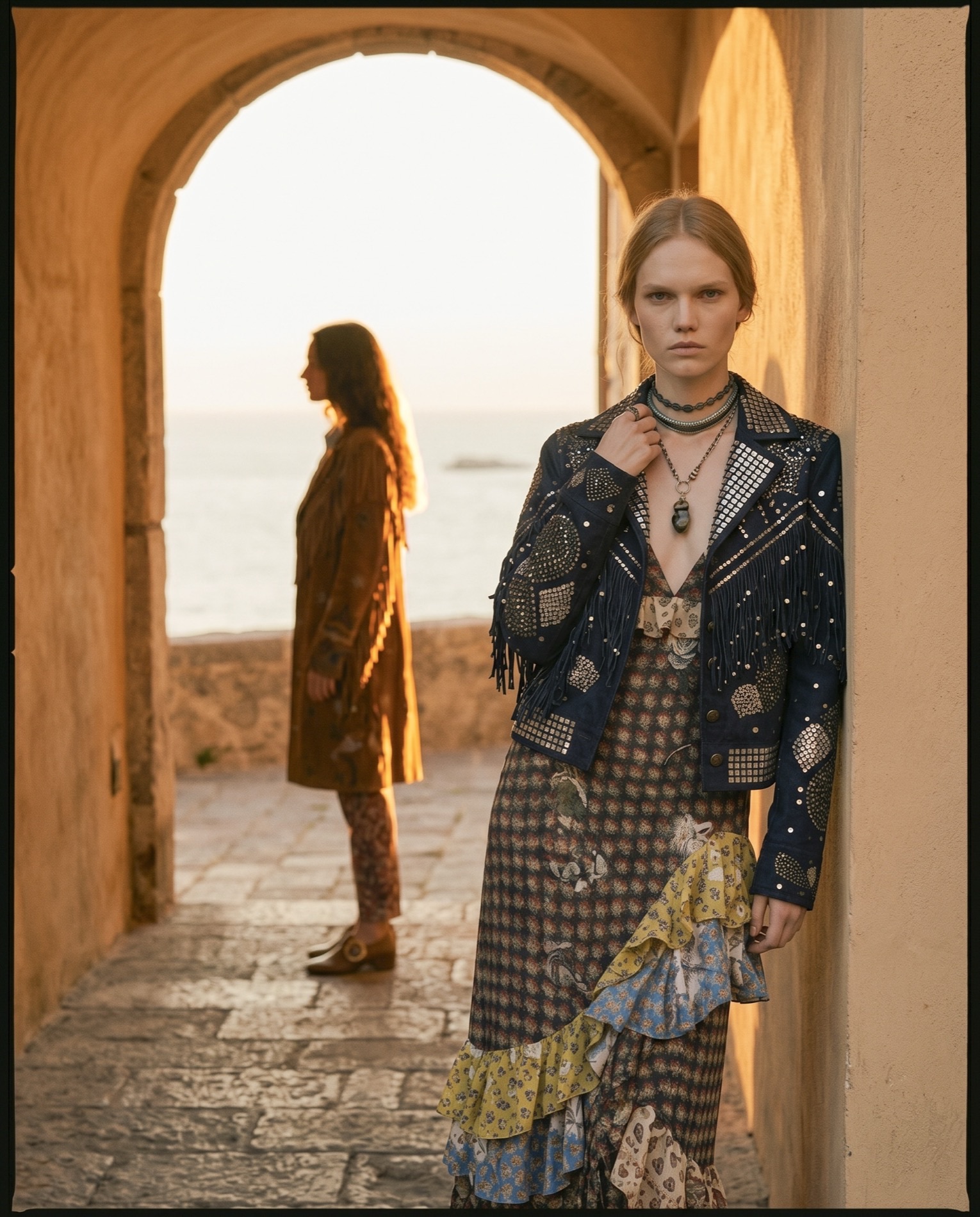
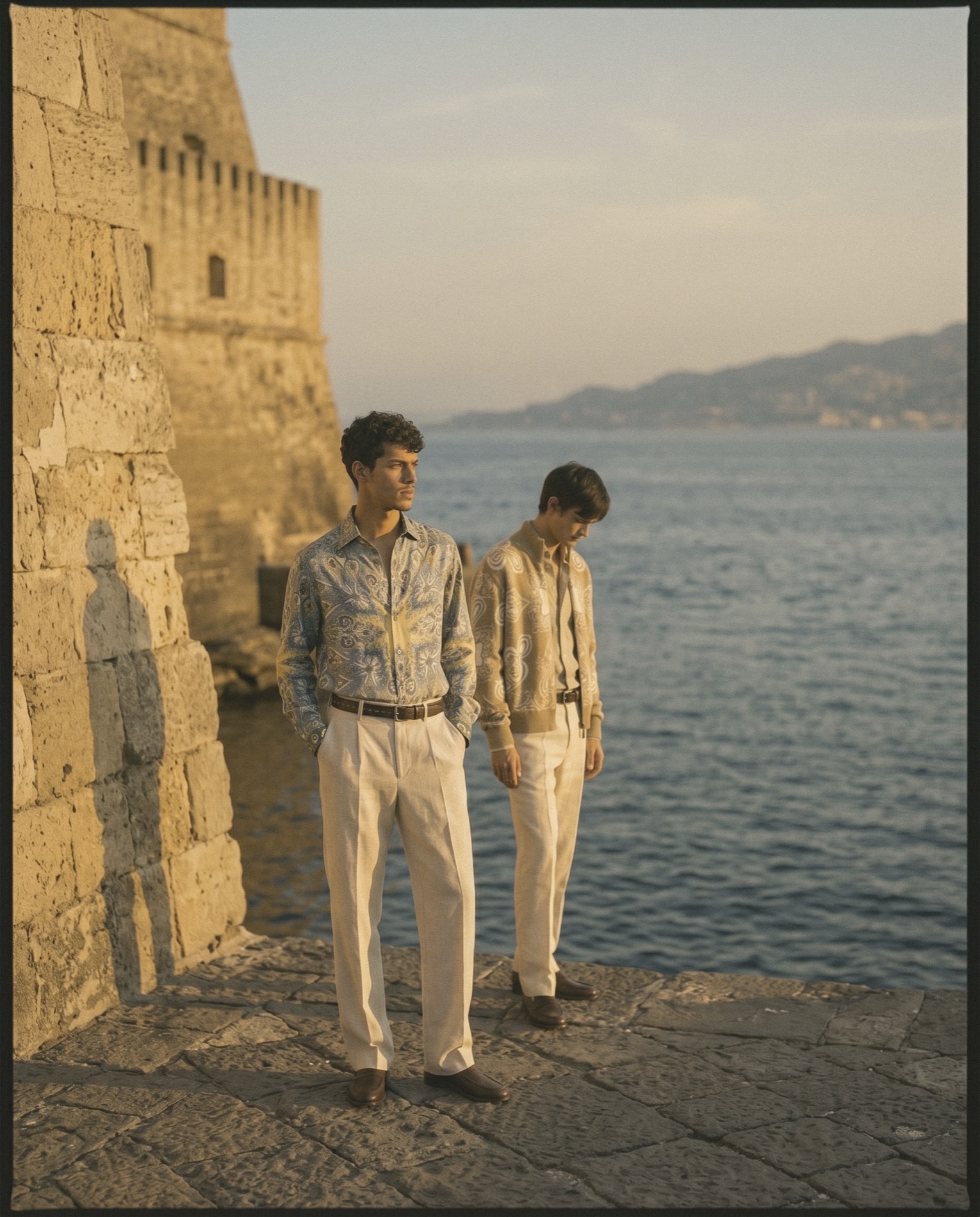
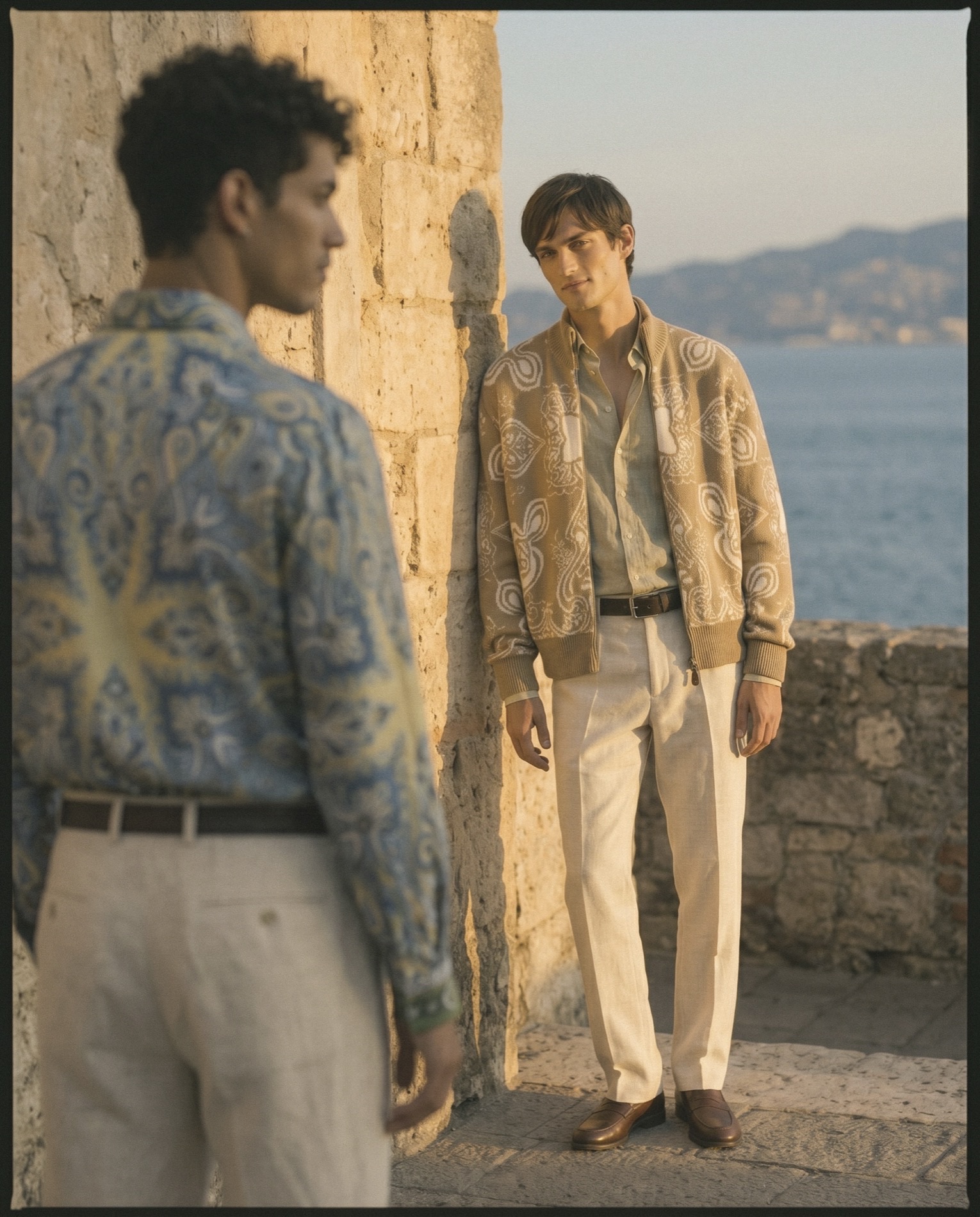
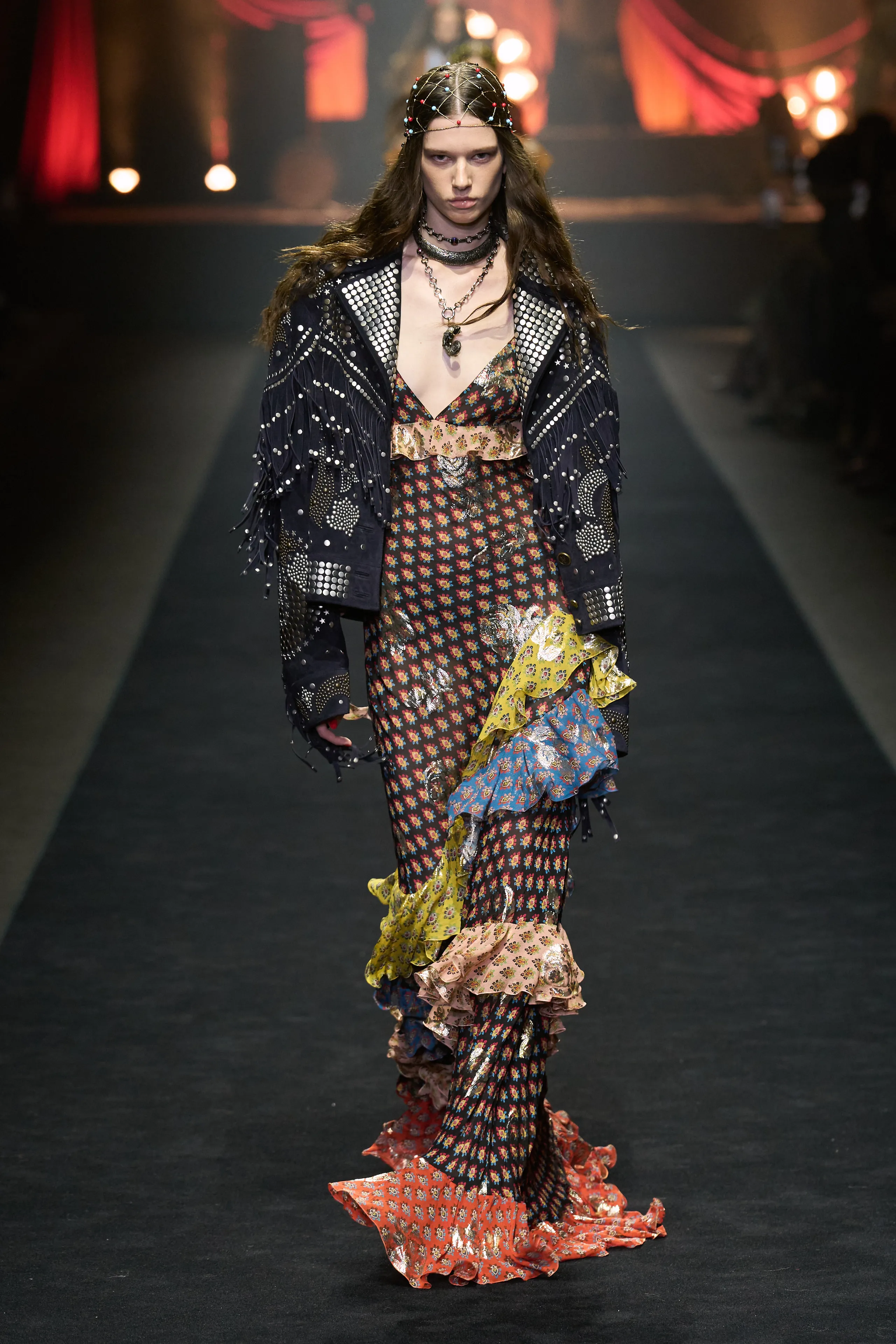
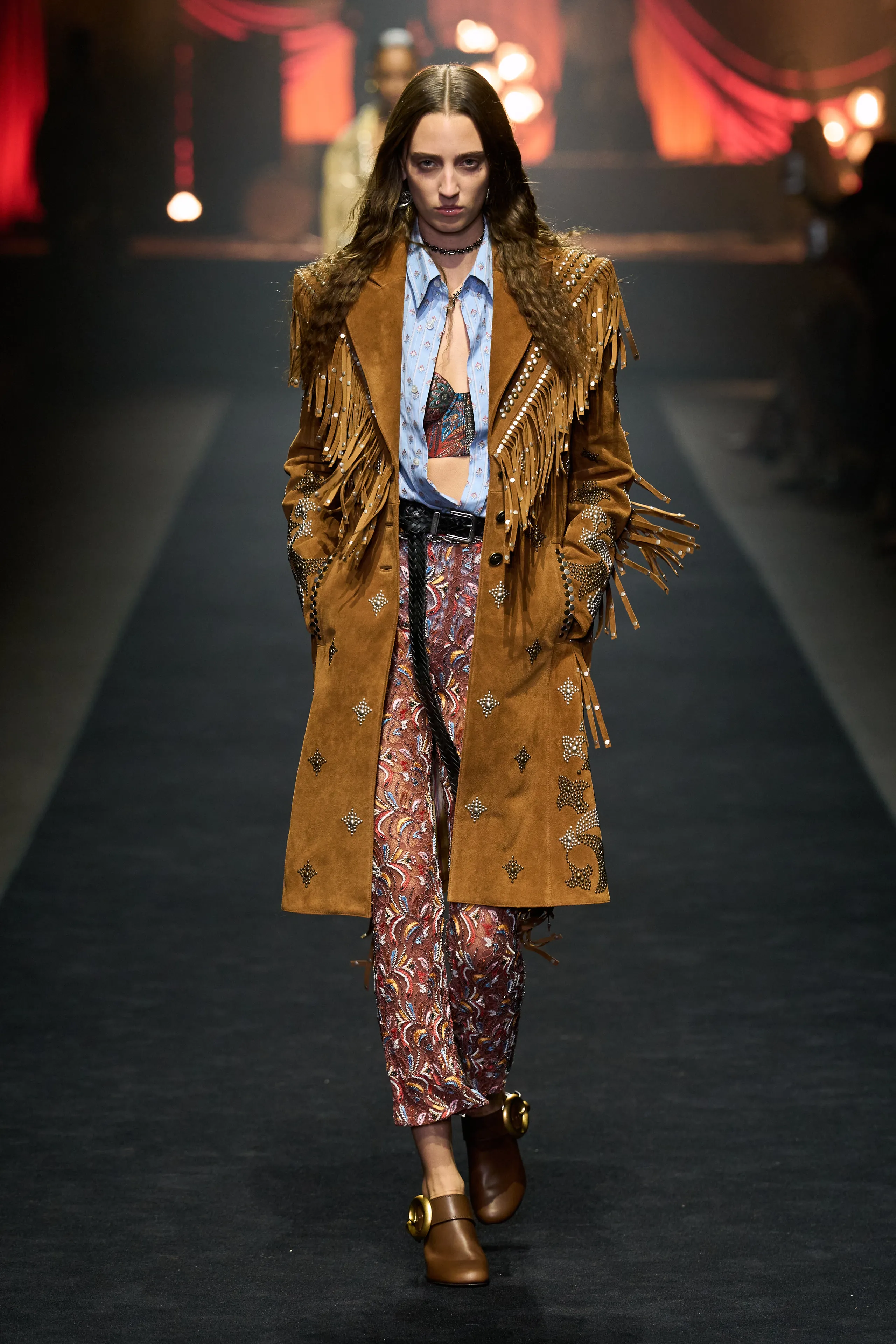
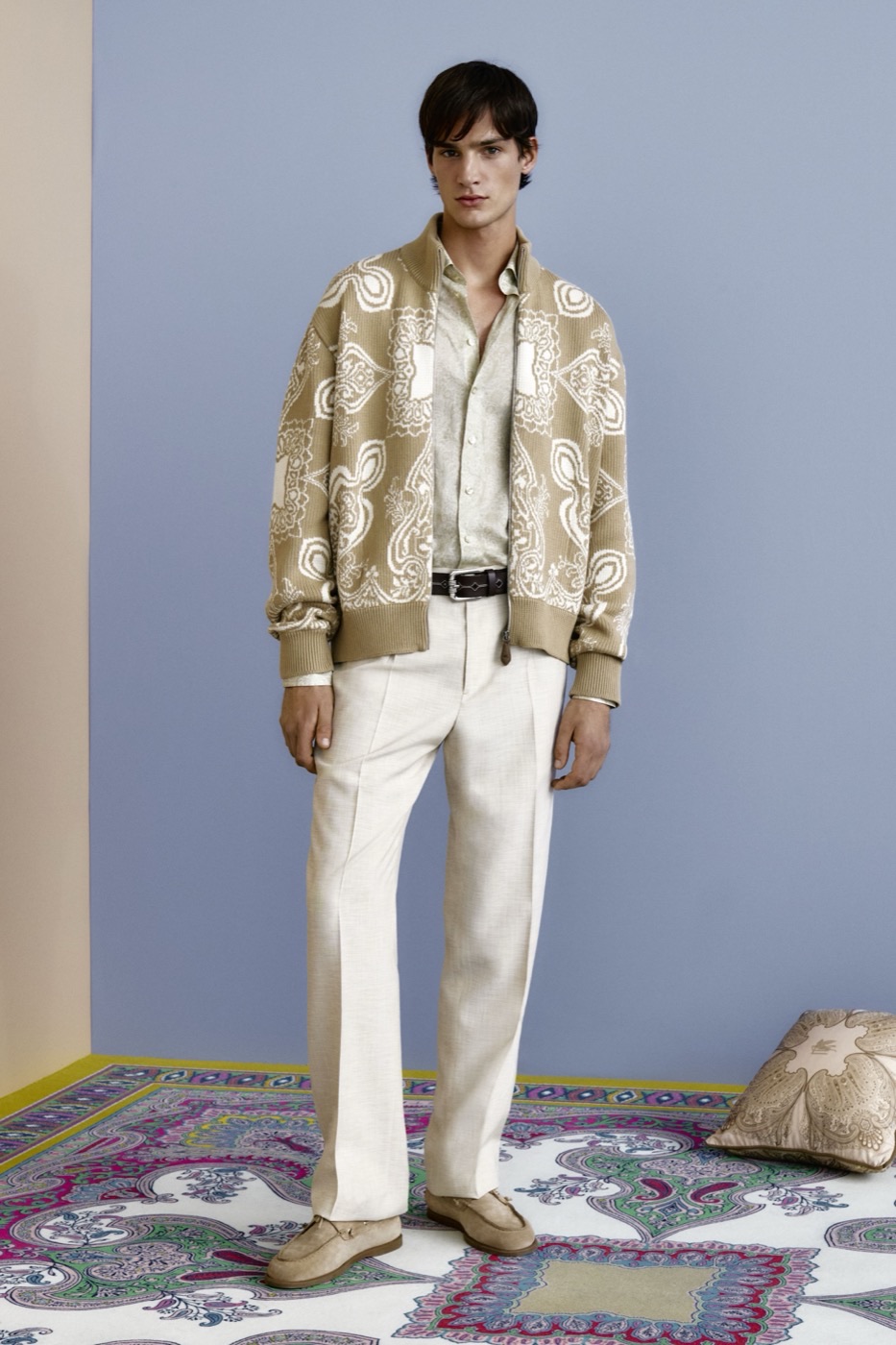
Four heirs on a Mediterranean rampart at golden hour — paisley silk, studded suede, fringed leather, ankle-skimming linen. One coastline, one sun, one fabric vocabulary that ties every look to the next. The cast was fixed before the first frame; the light was the only thing left to chase.
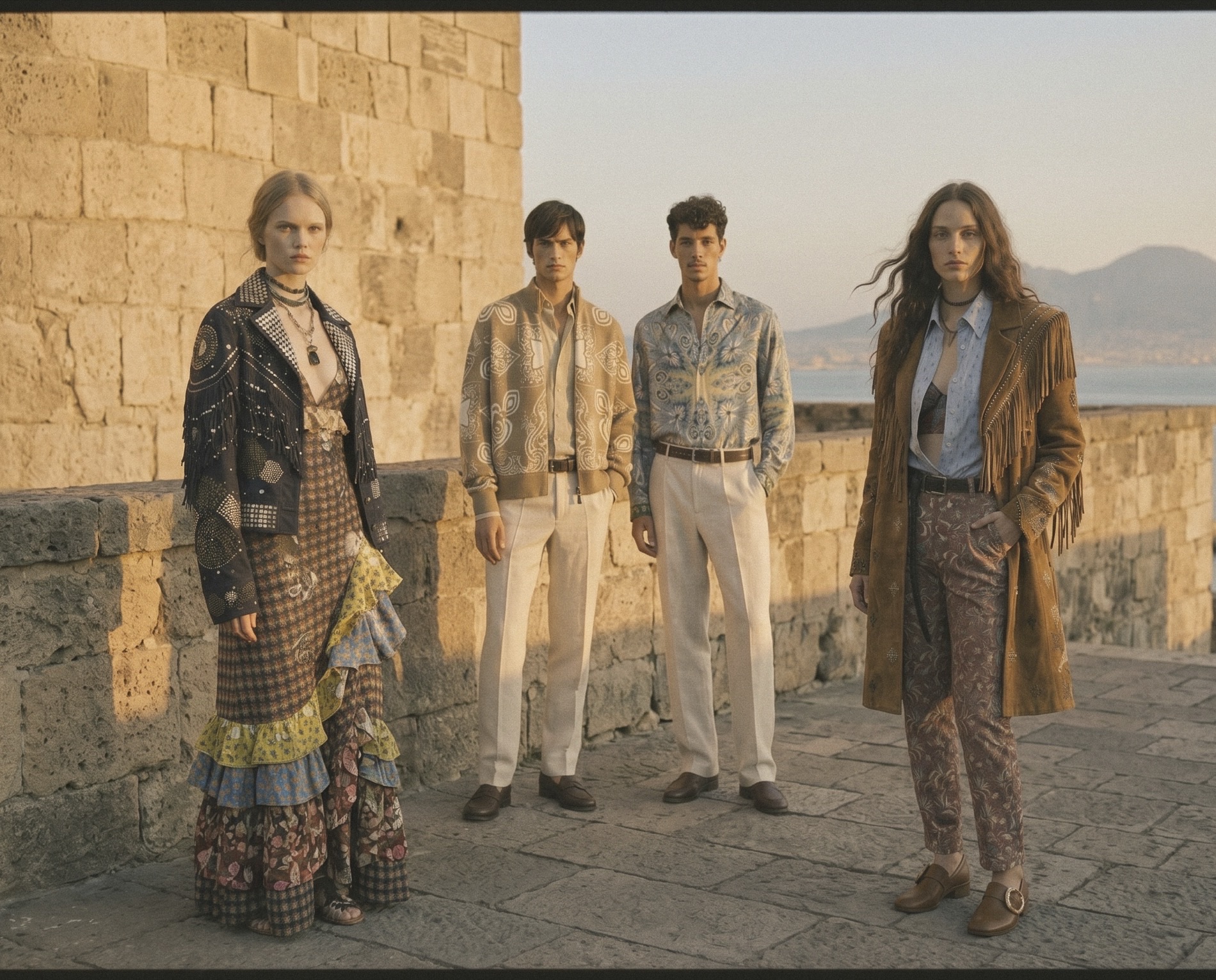
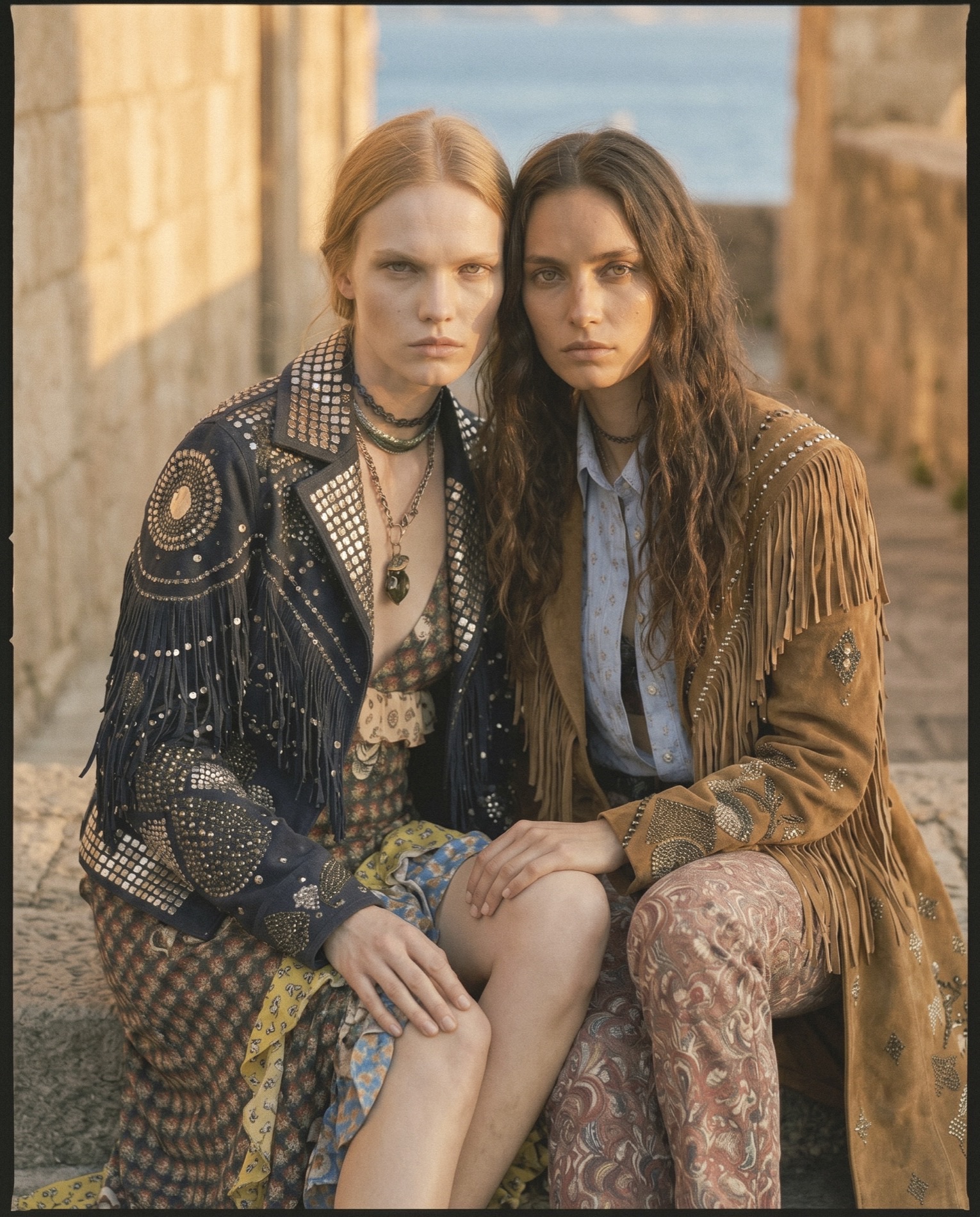
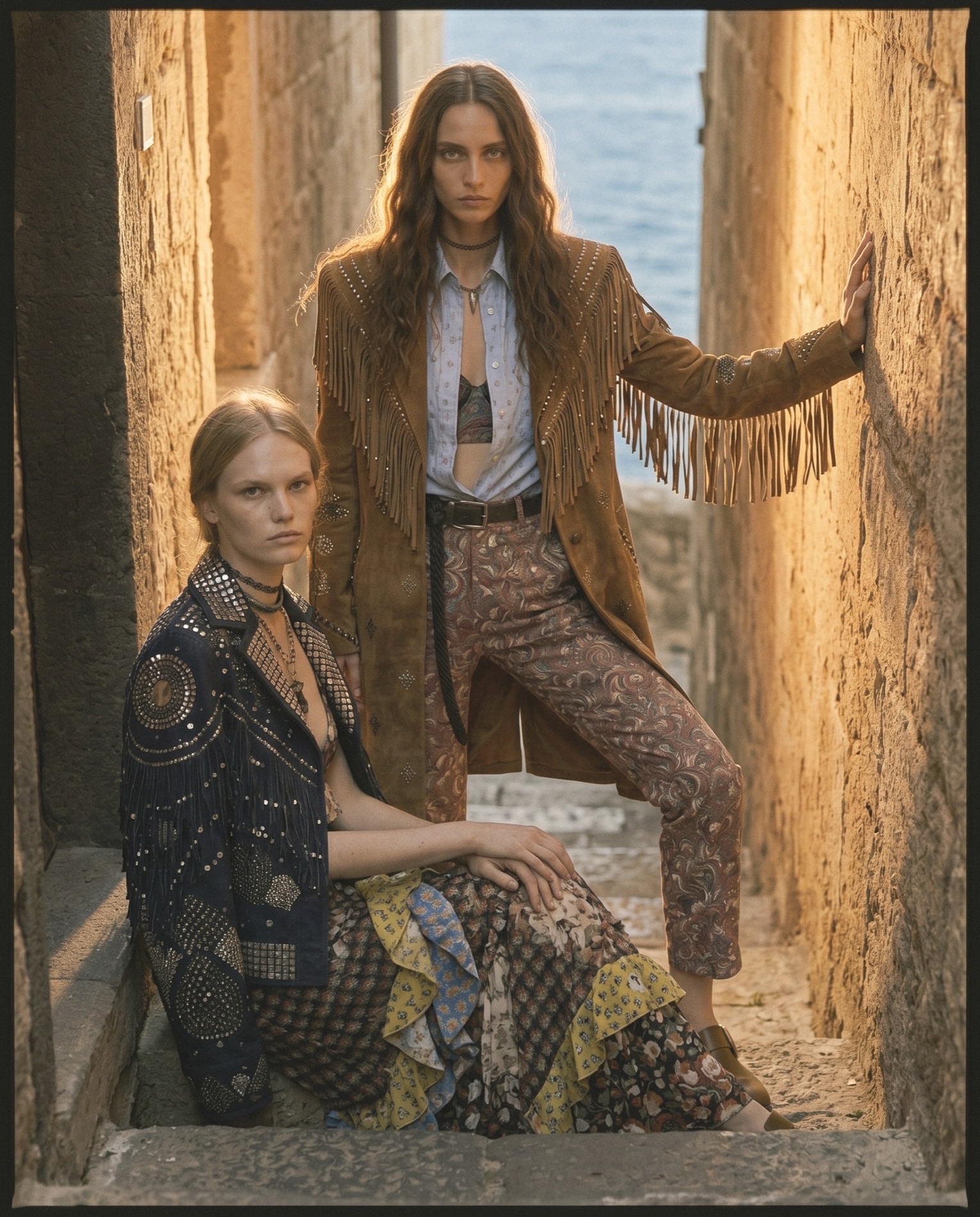
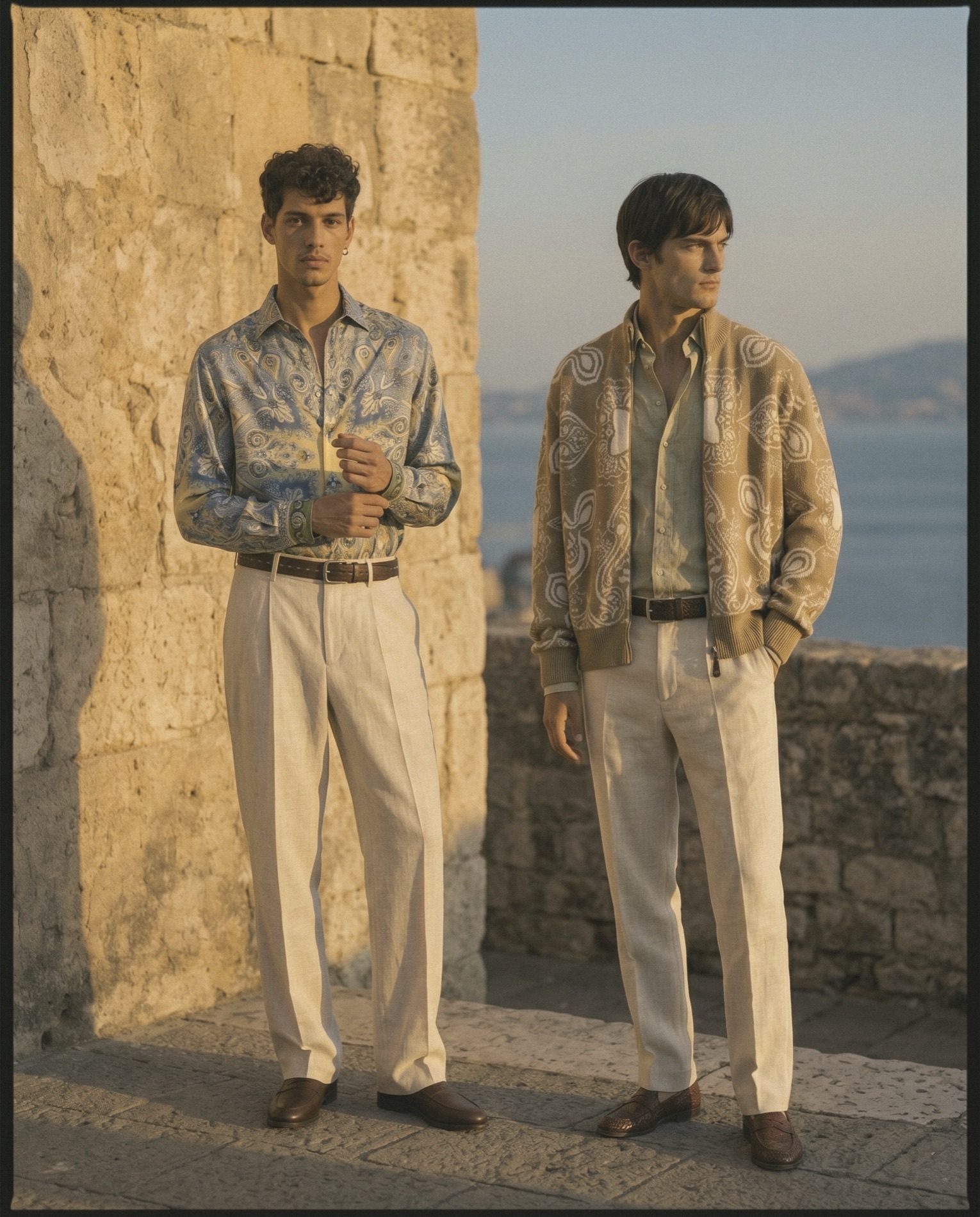
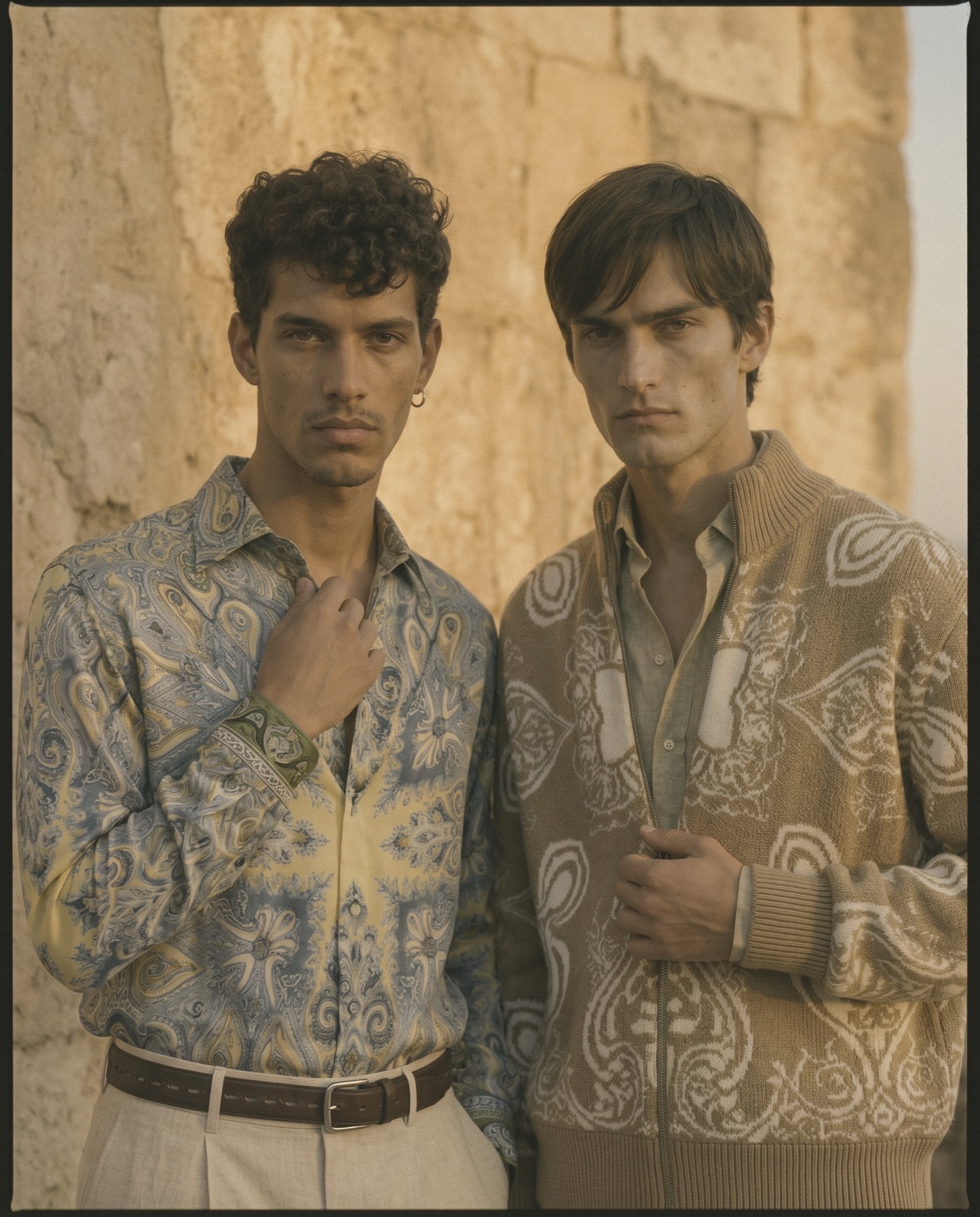
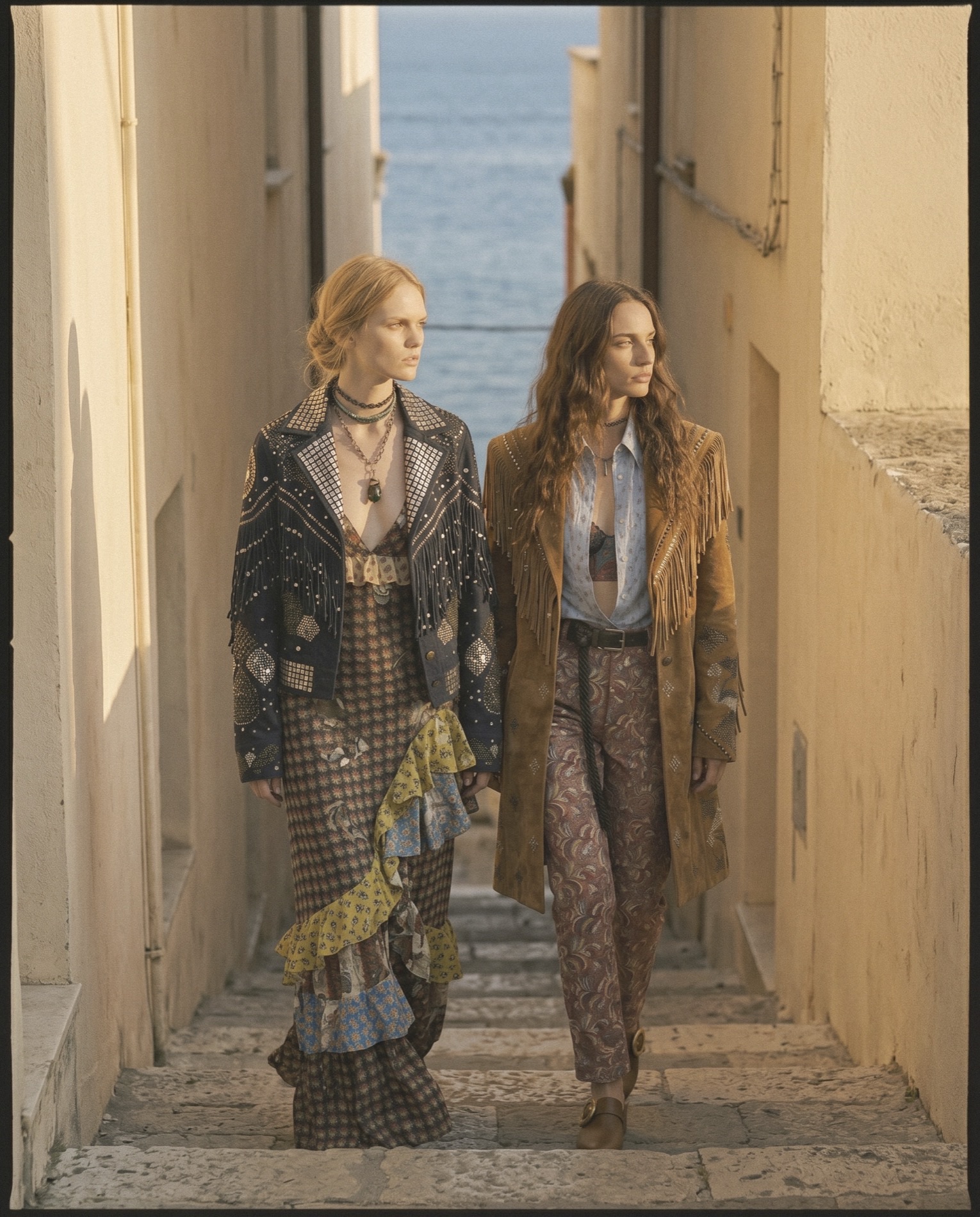
“Same wall.Casting note
Same sea.
Four heirs.”
AI photography solves problems traditional shoots physically cannot: fast A/B tests, impossible locations, repeatable casting, campaign assets that evolve with a collection. What stays — and what changes — is the whole point.
Three shootings, three moodboards, three final sets. Scroll through the references that drove the cast, the styling, the light — and watch them dissolve into the frames the system delivered.
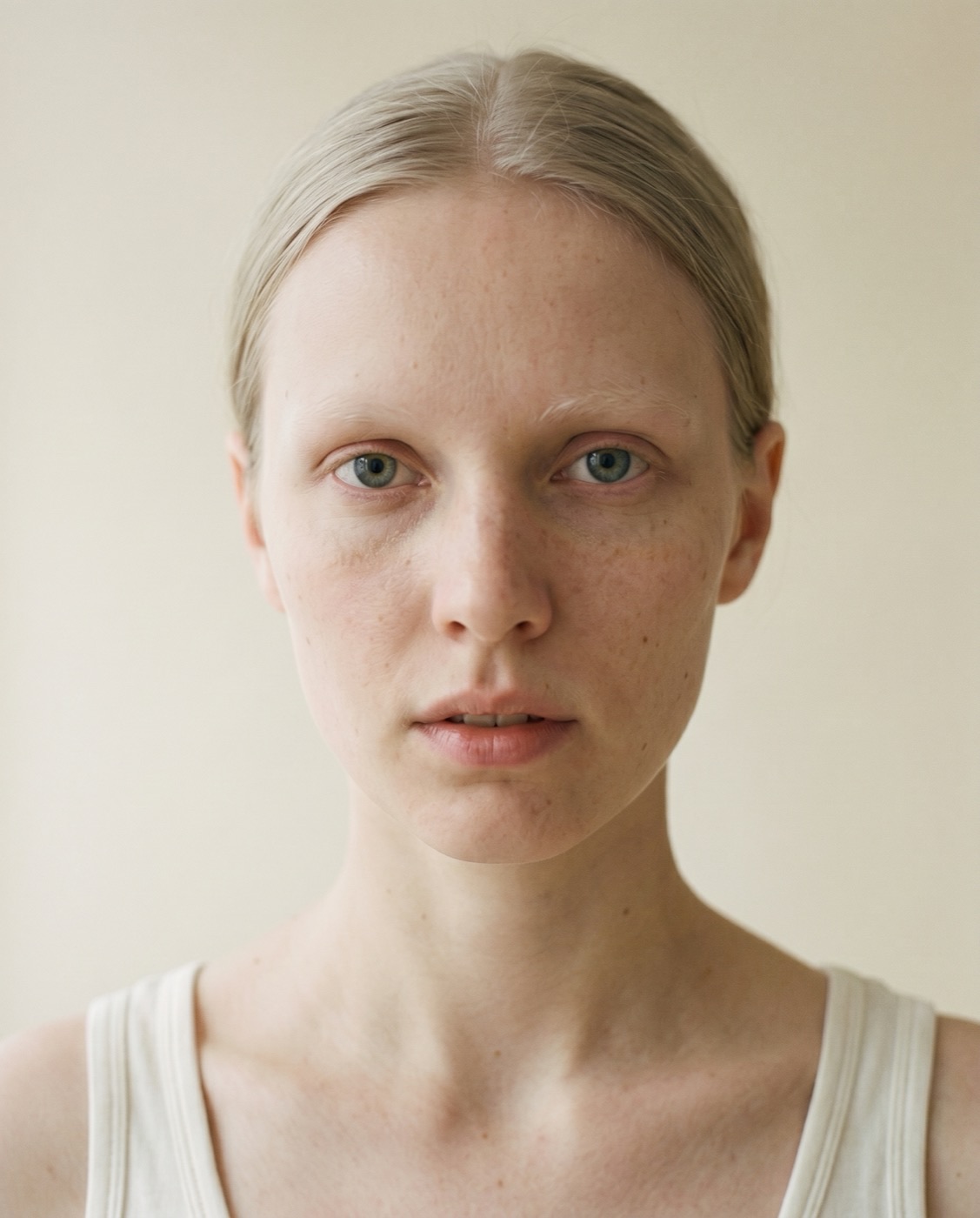
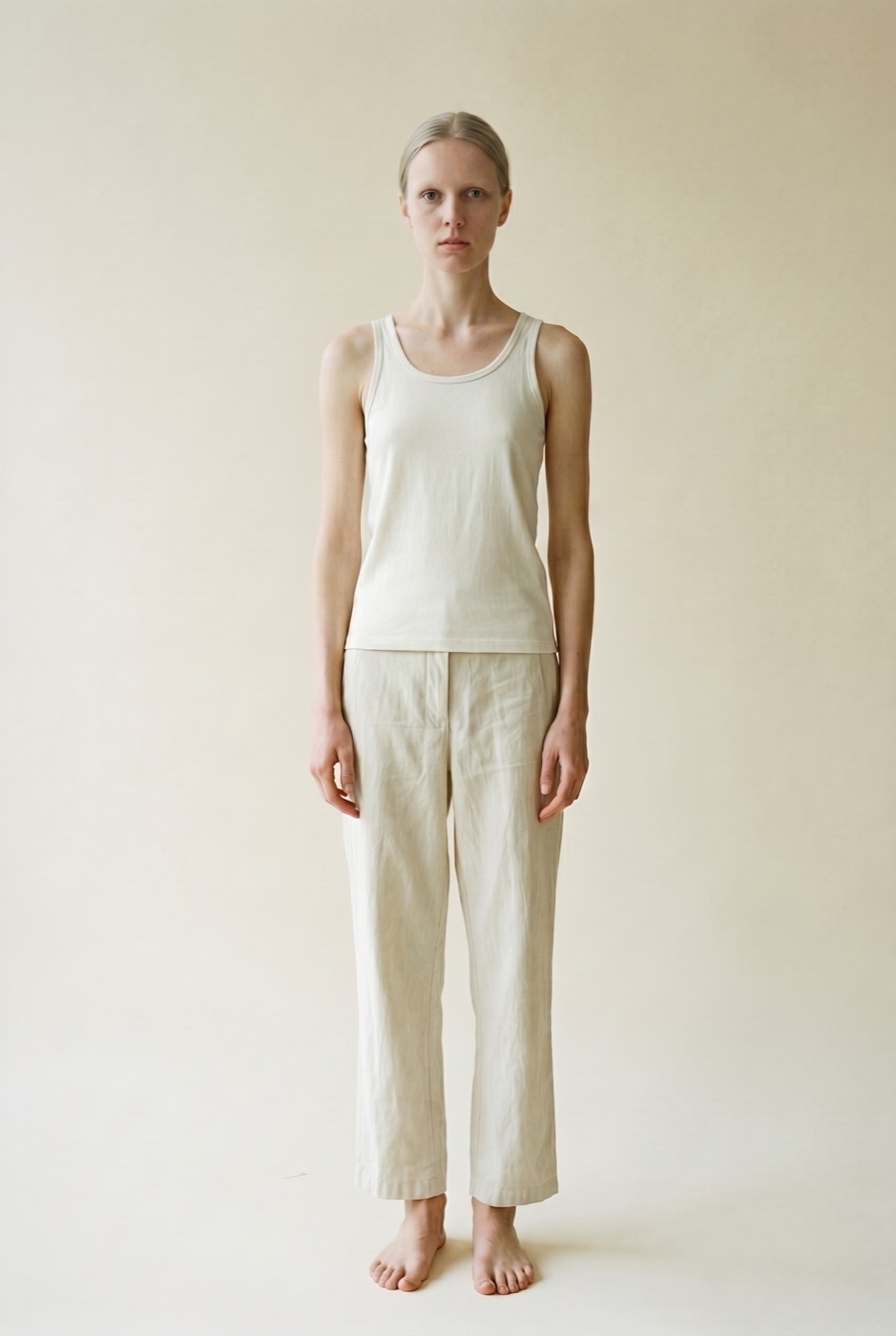
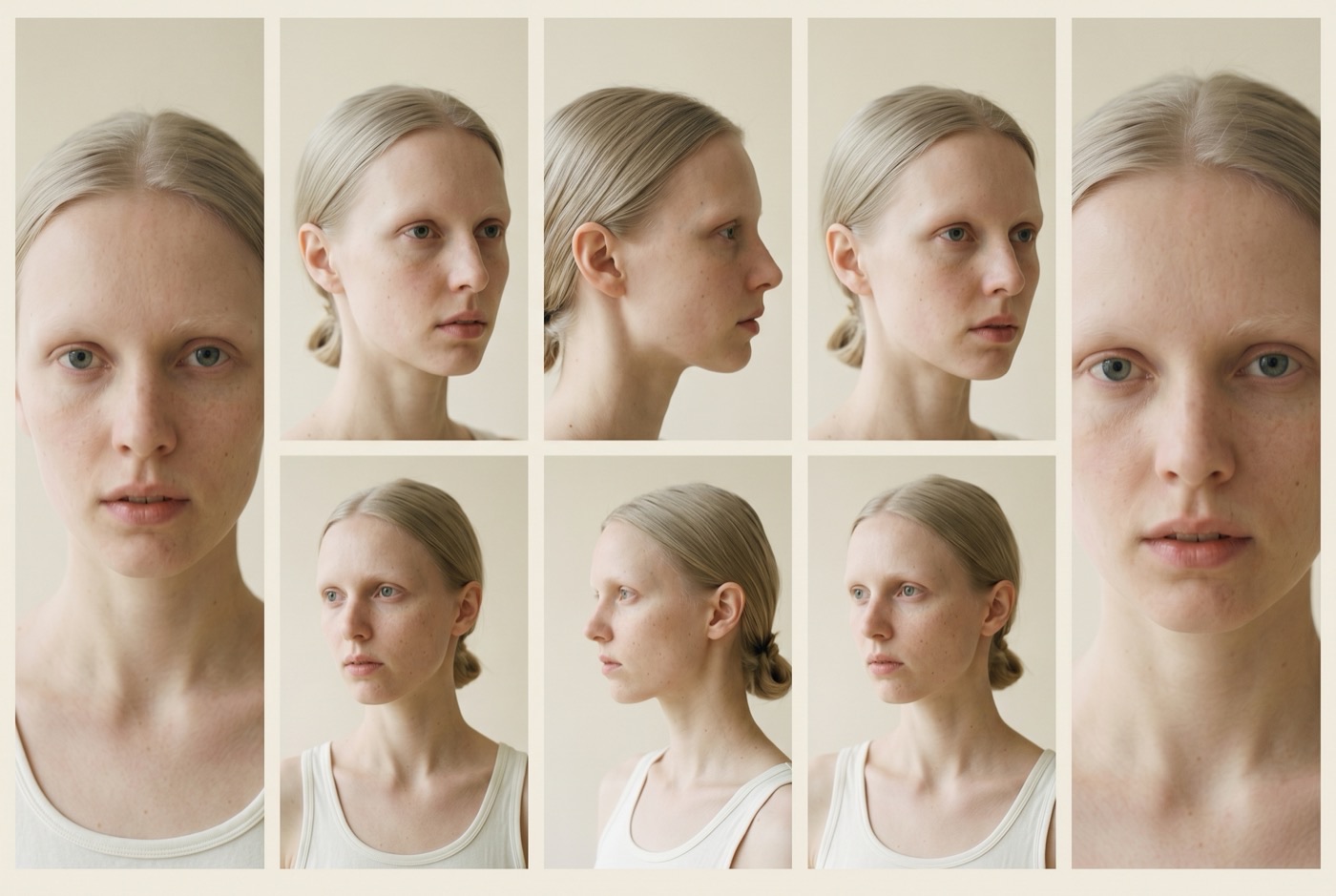
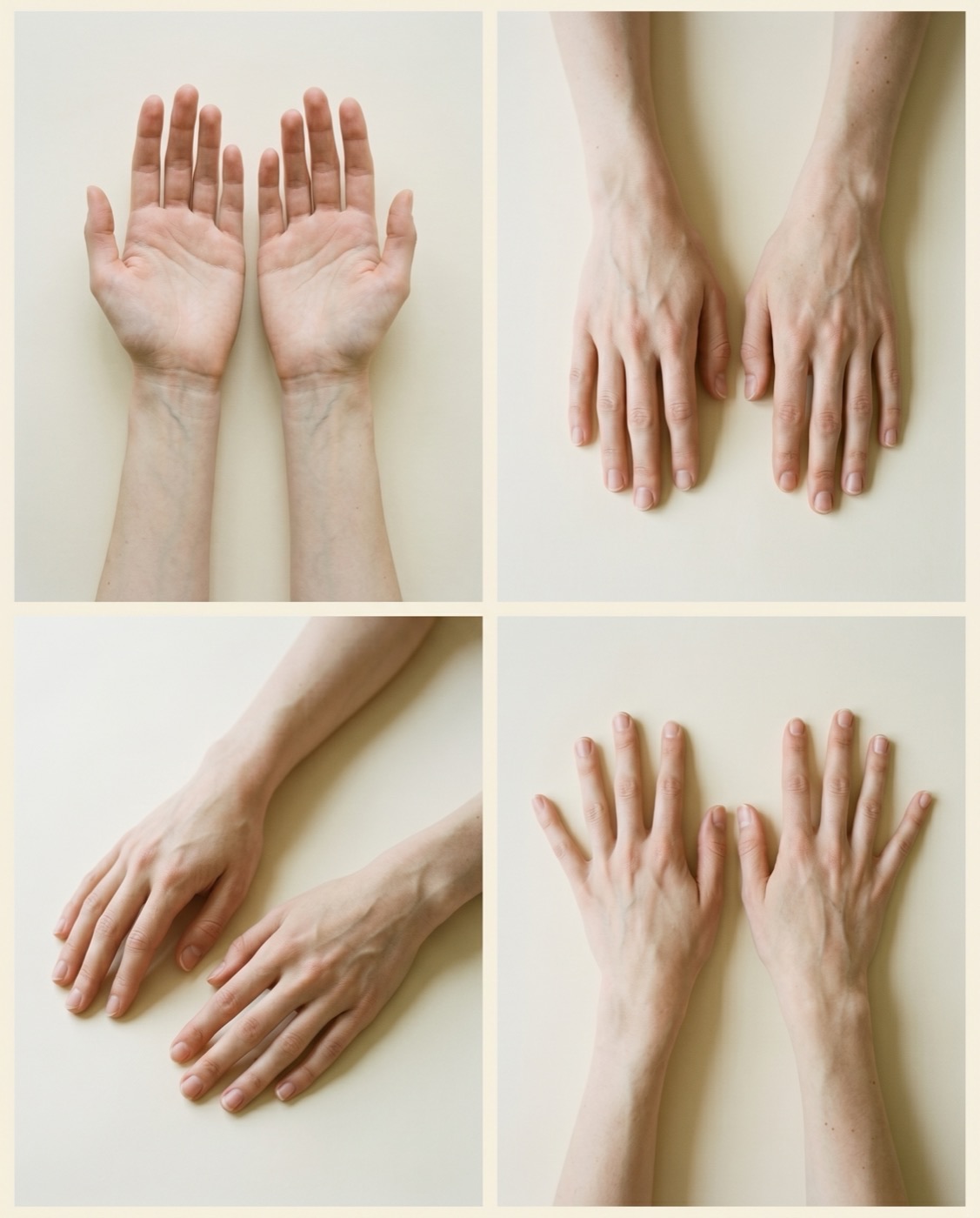
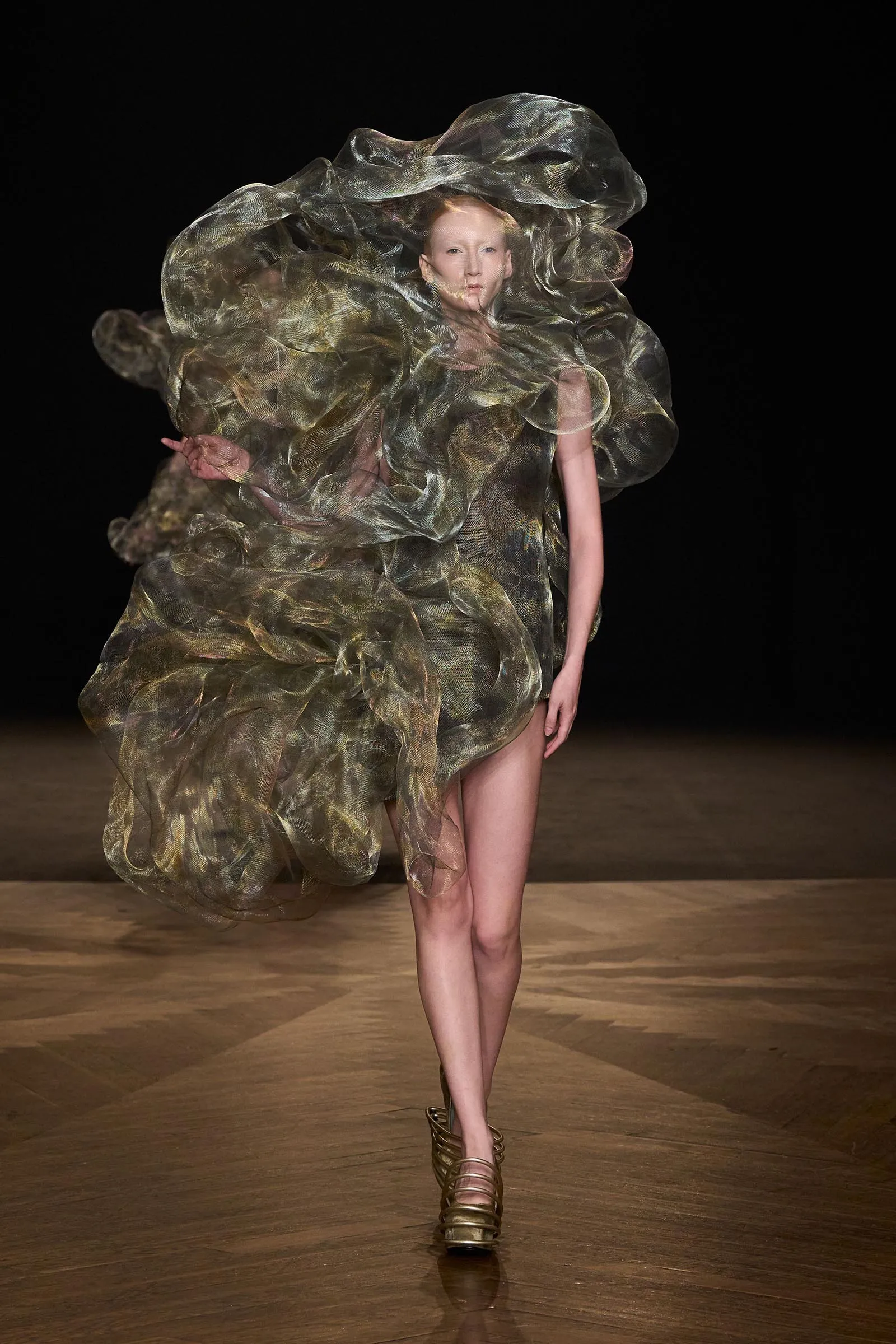
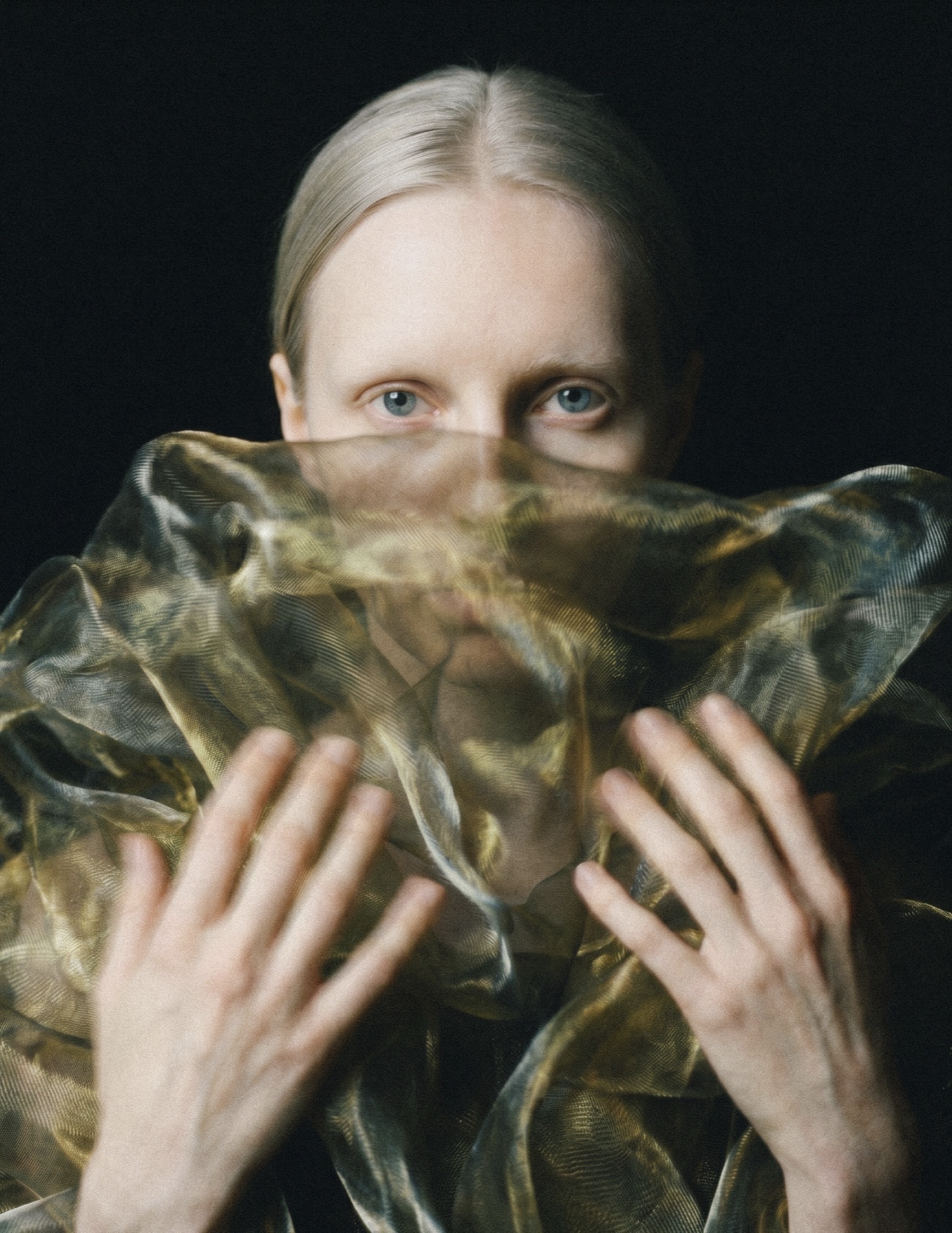
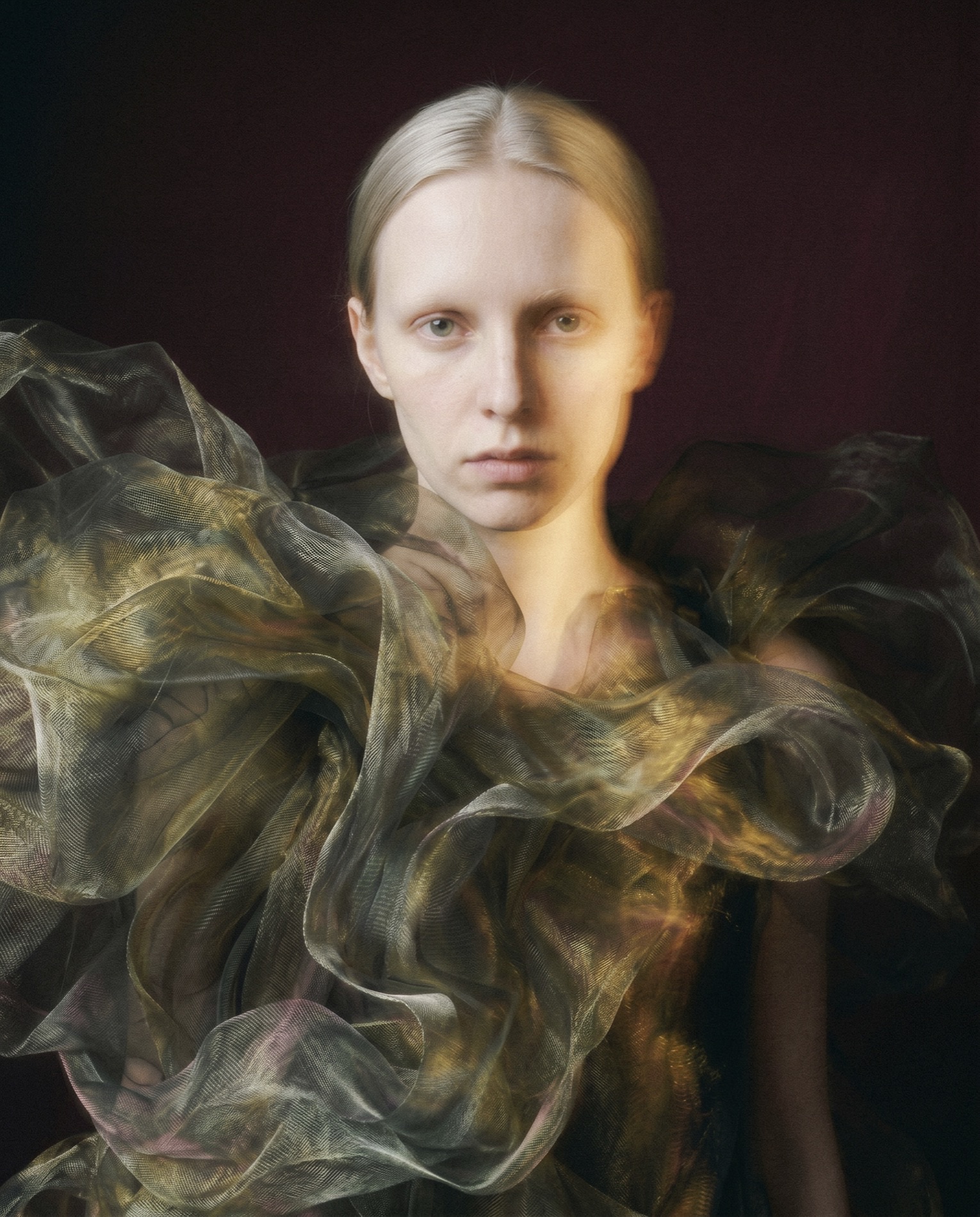
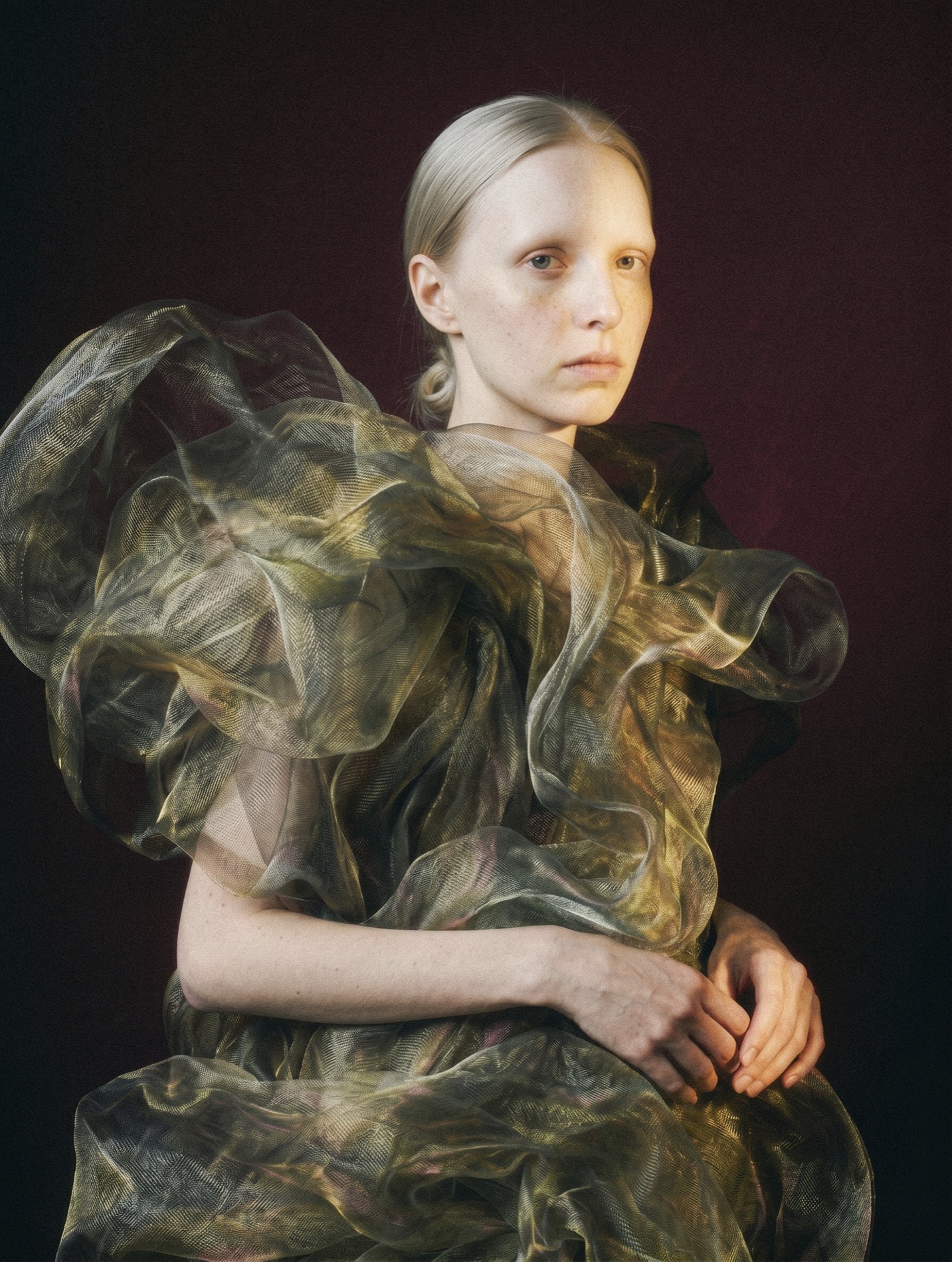
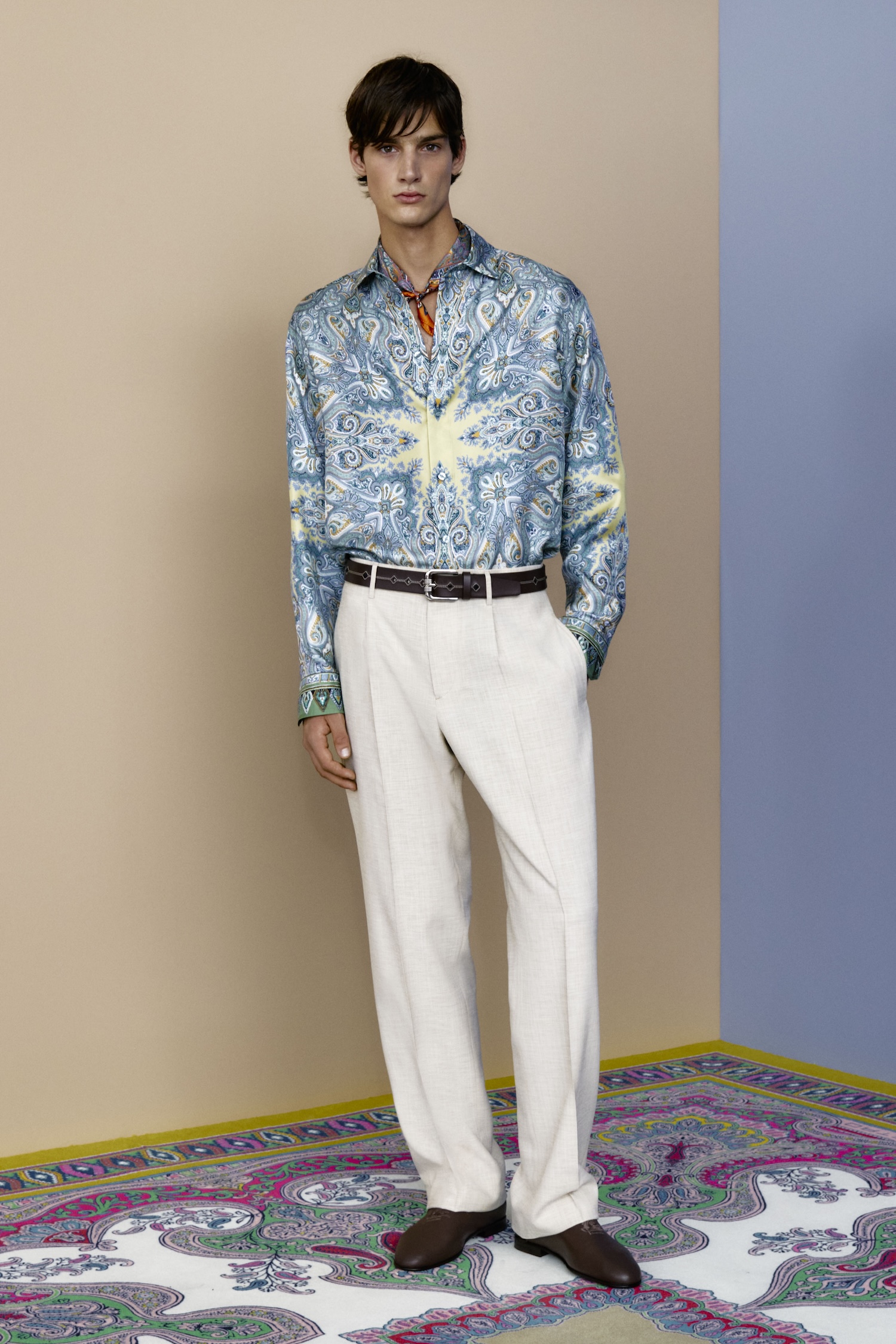
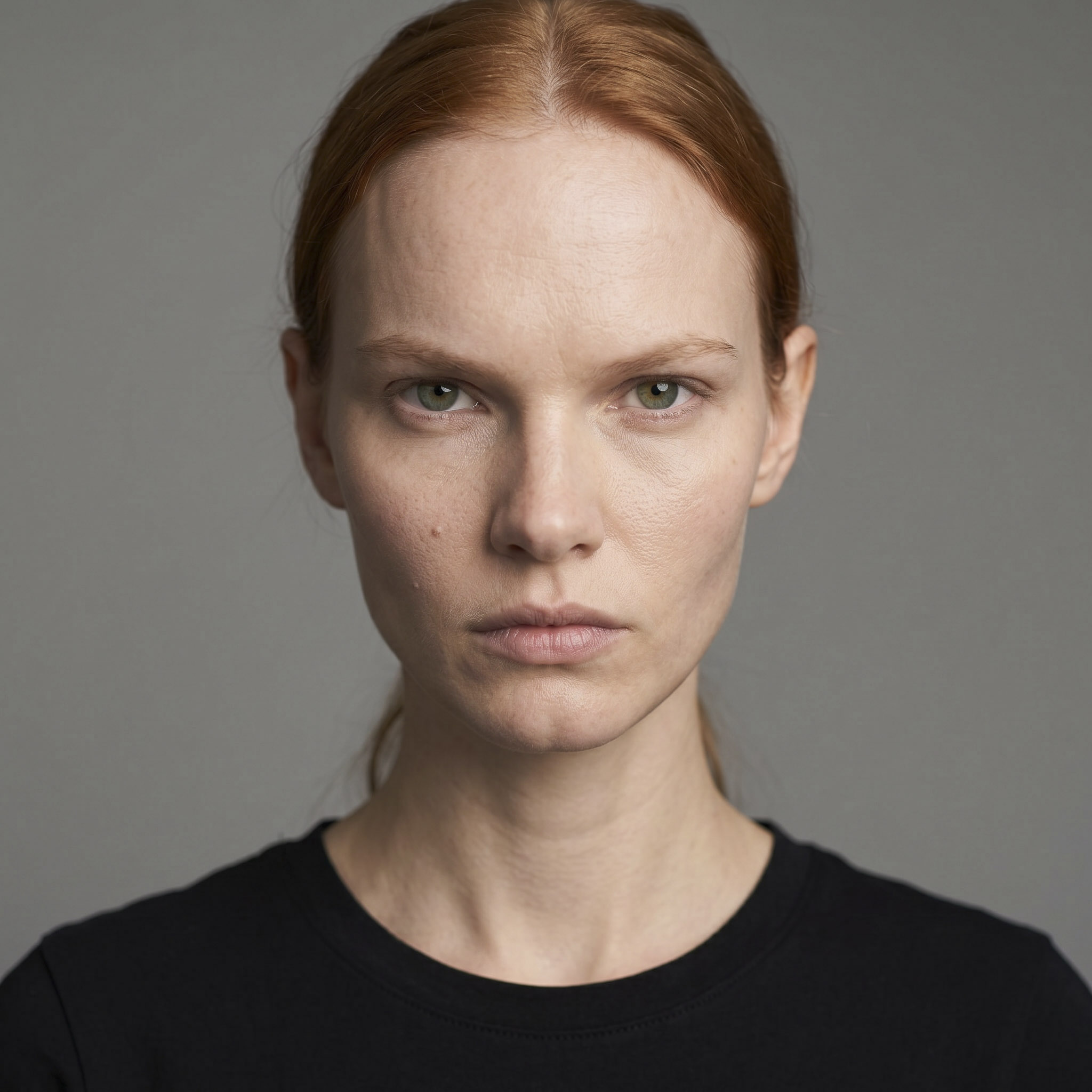
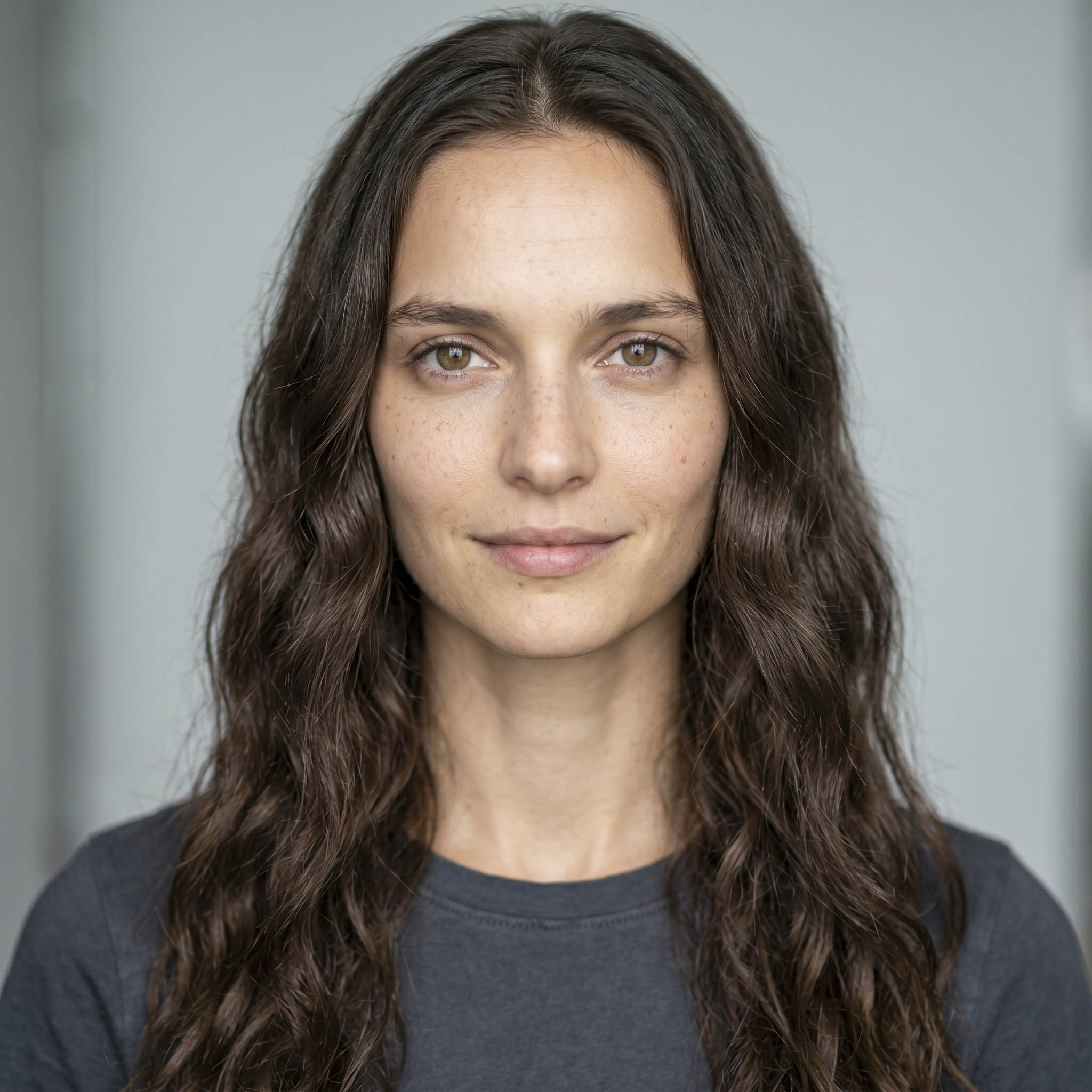
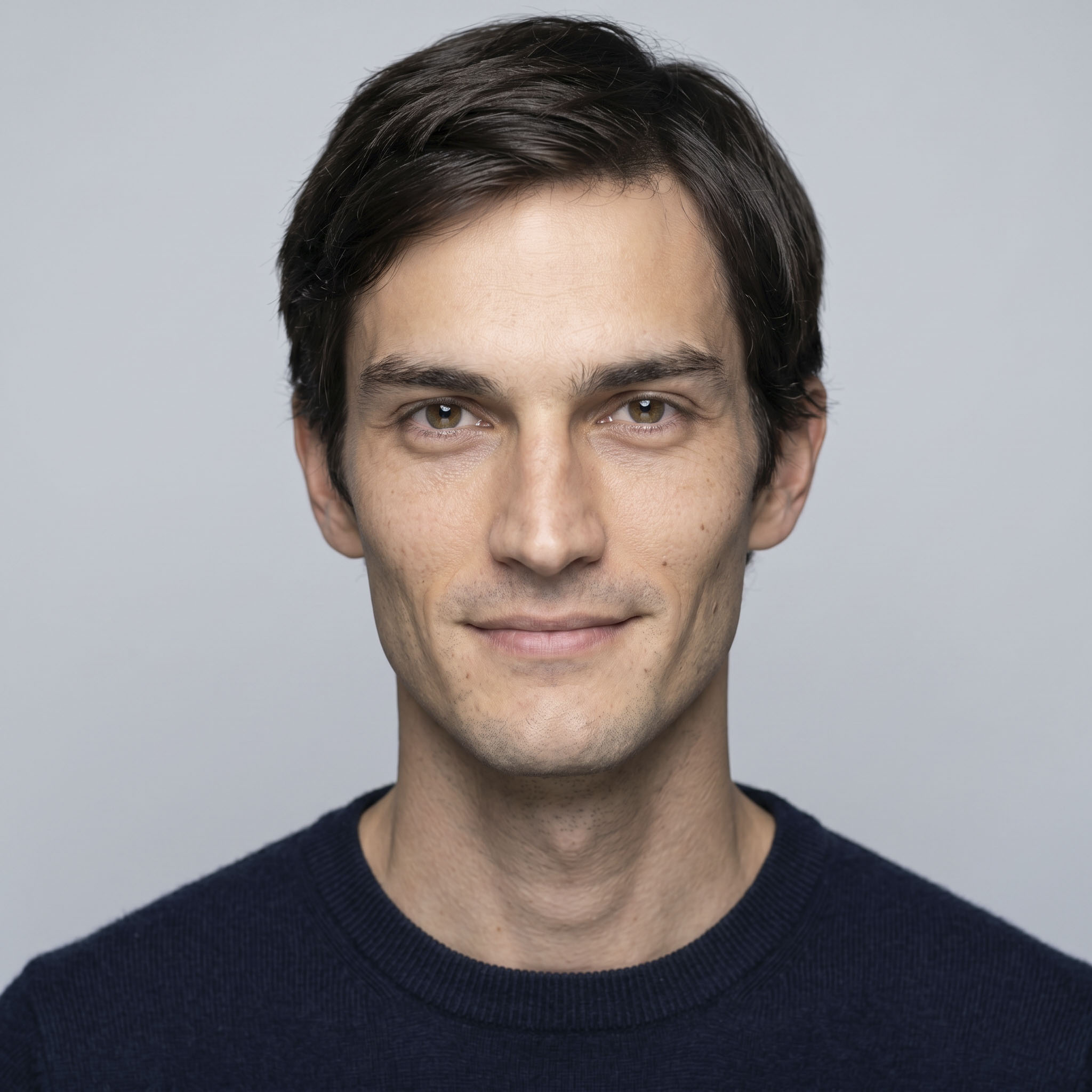
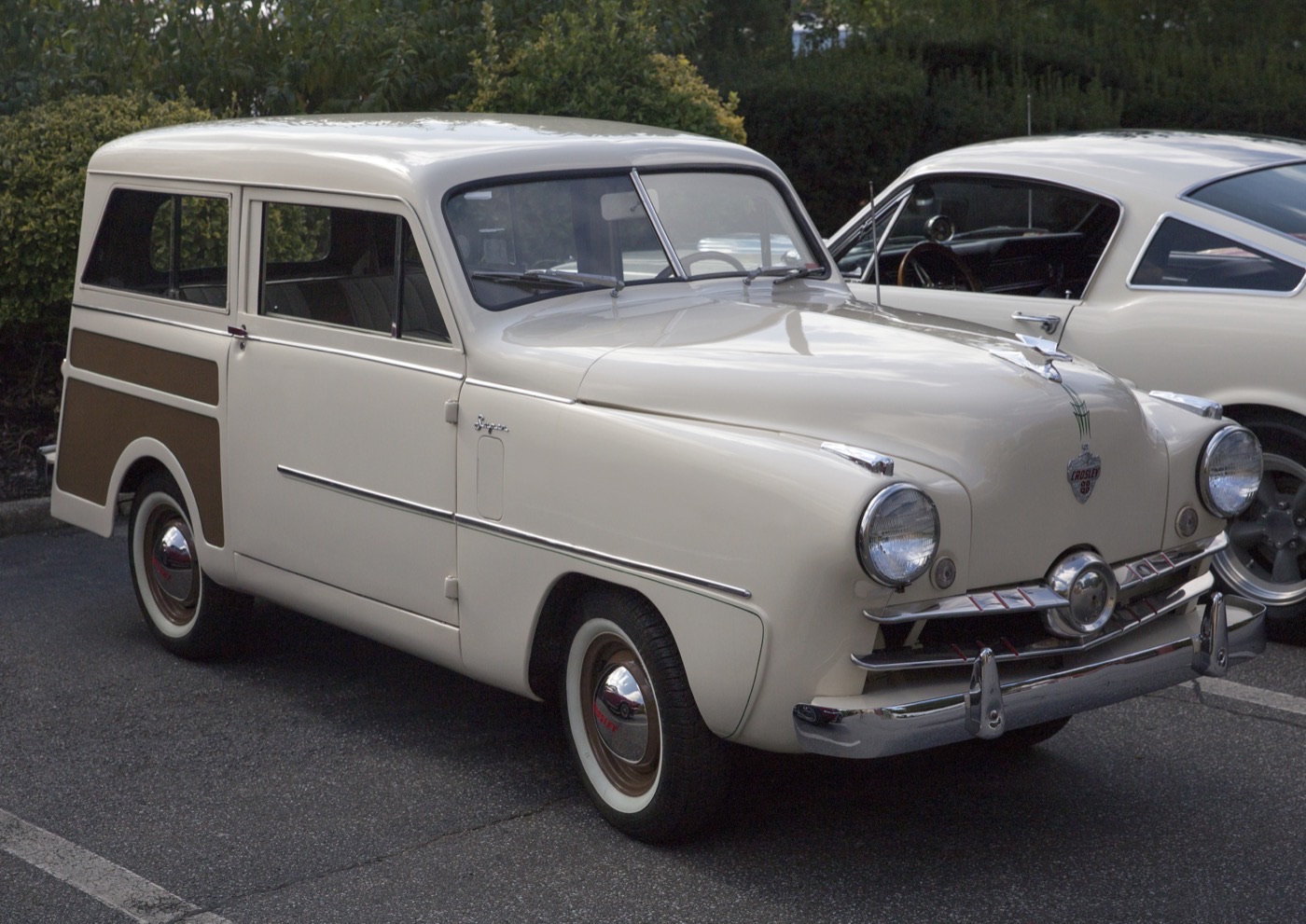
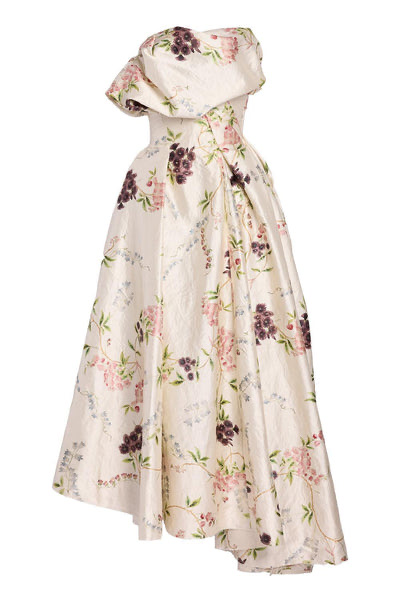
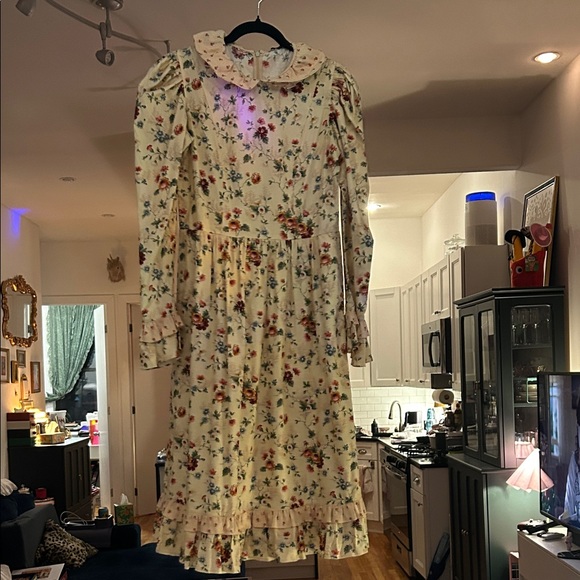
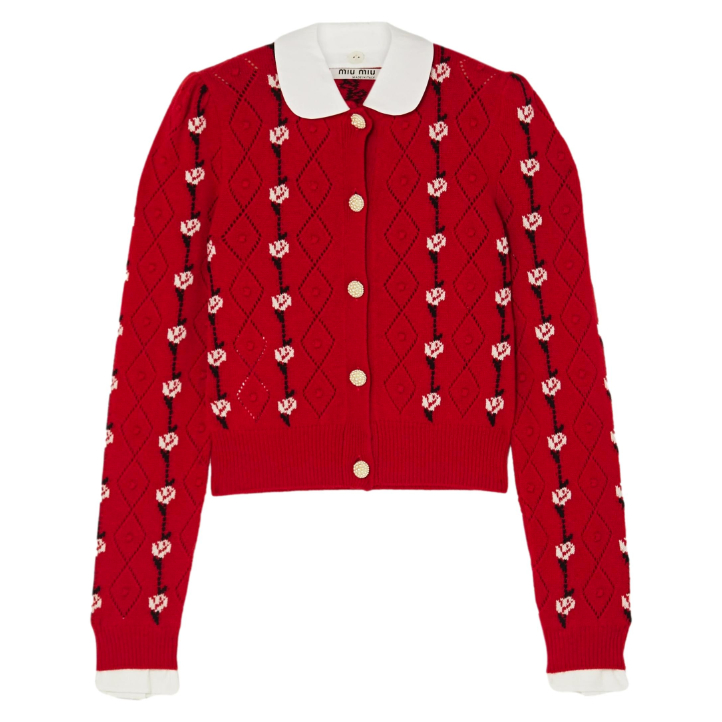
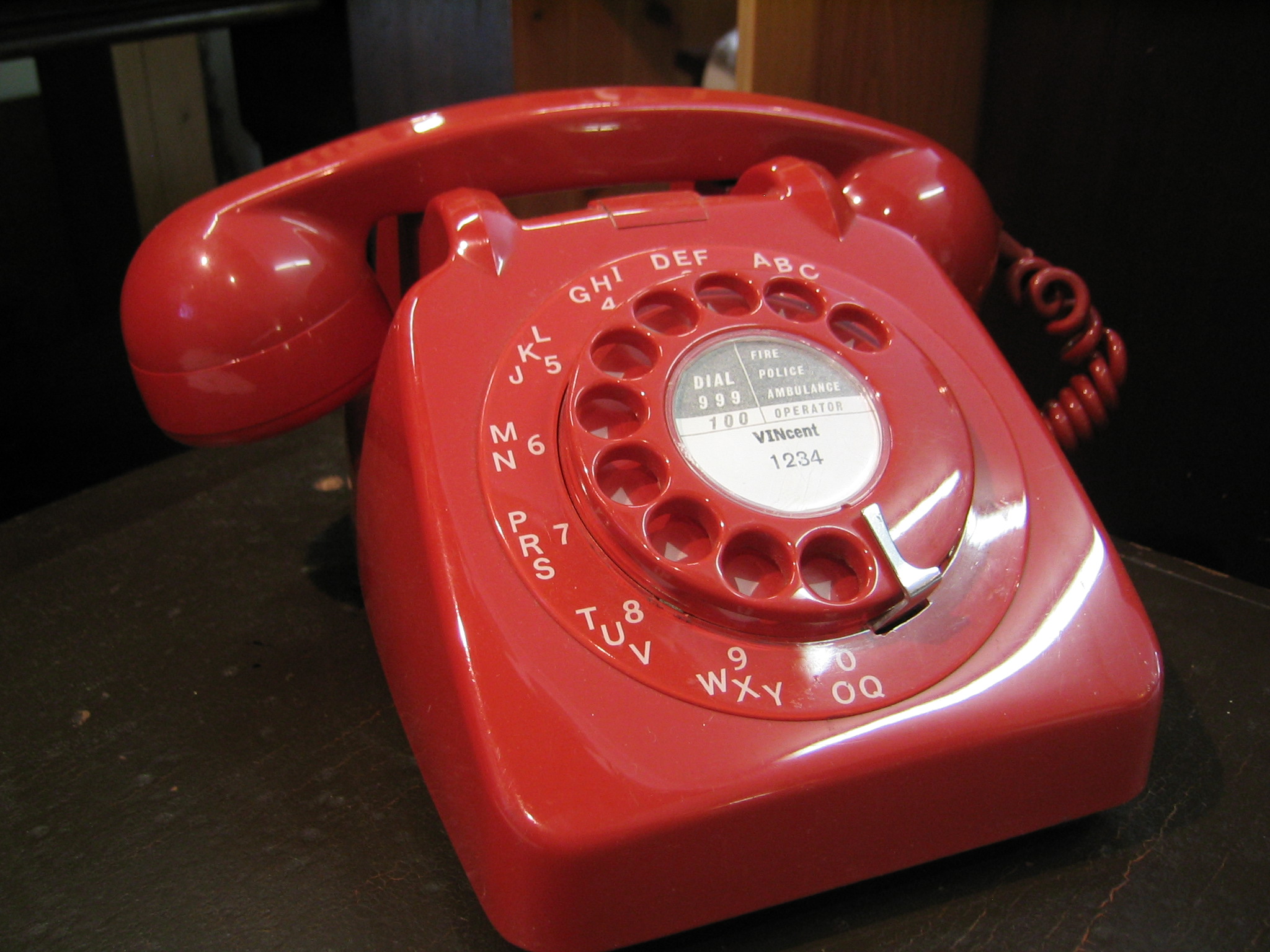
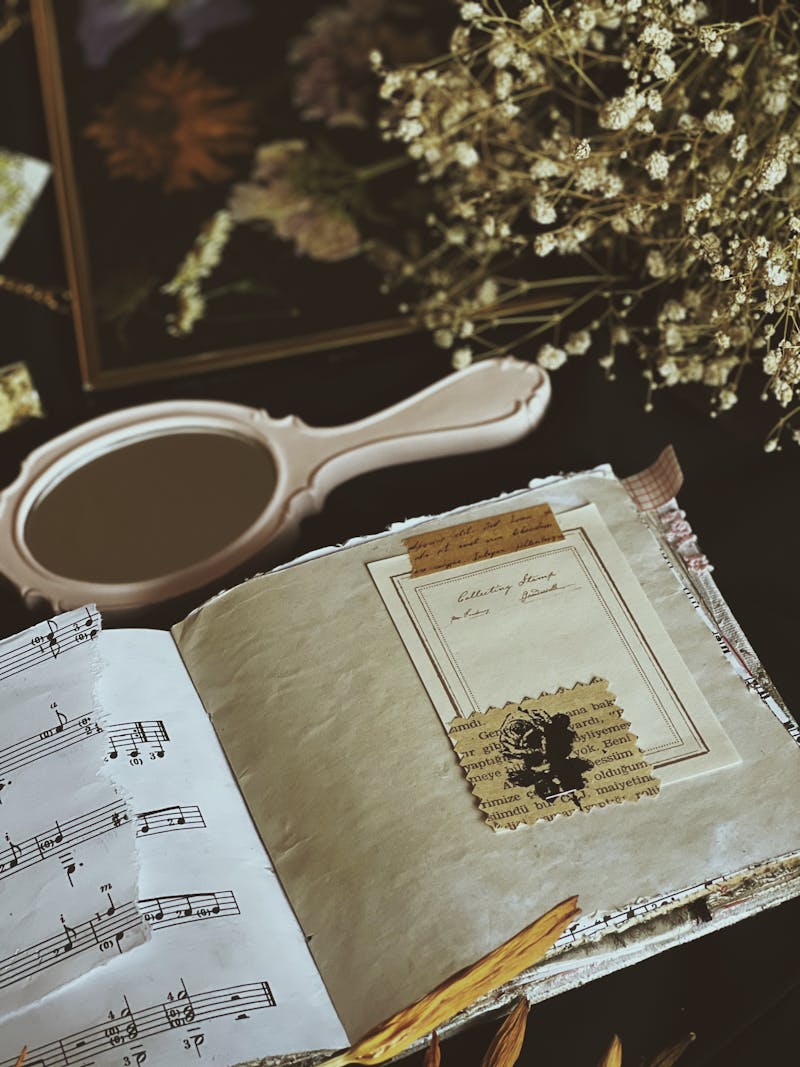
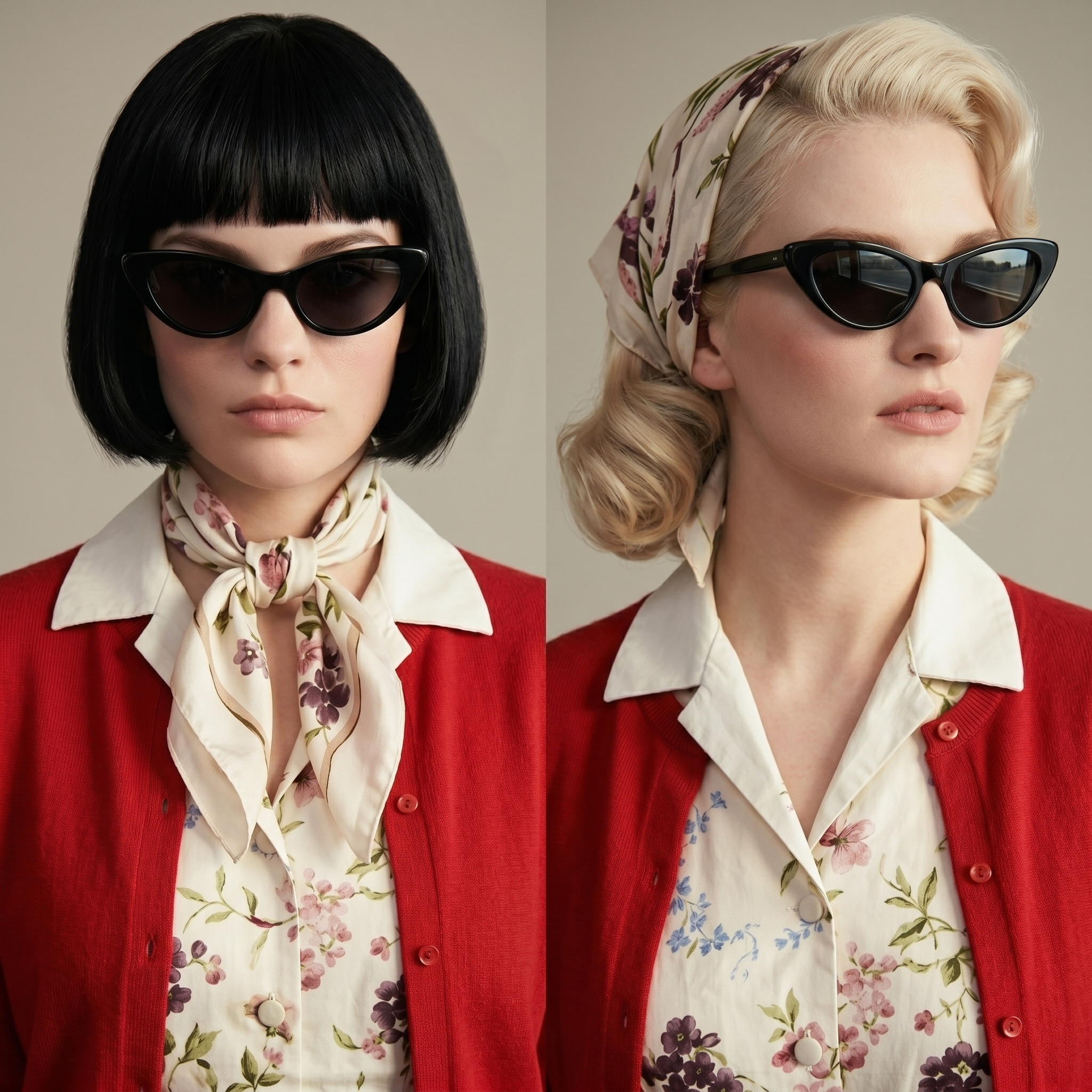
Every frame goes through the same five stages — the same checkpoints a film crew runs through, compressed into a workflow that delivers in days, not months.
We start with the brand book, mood, season, market. Then a moodboard — exactly the kind a film DP or an editor would put in front of a director. Cast, location, palette, light, era — locked before a single frame is generated.
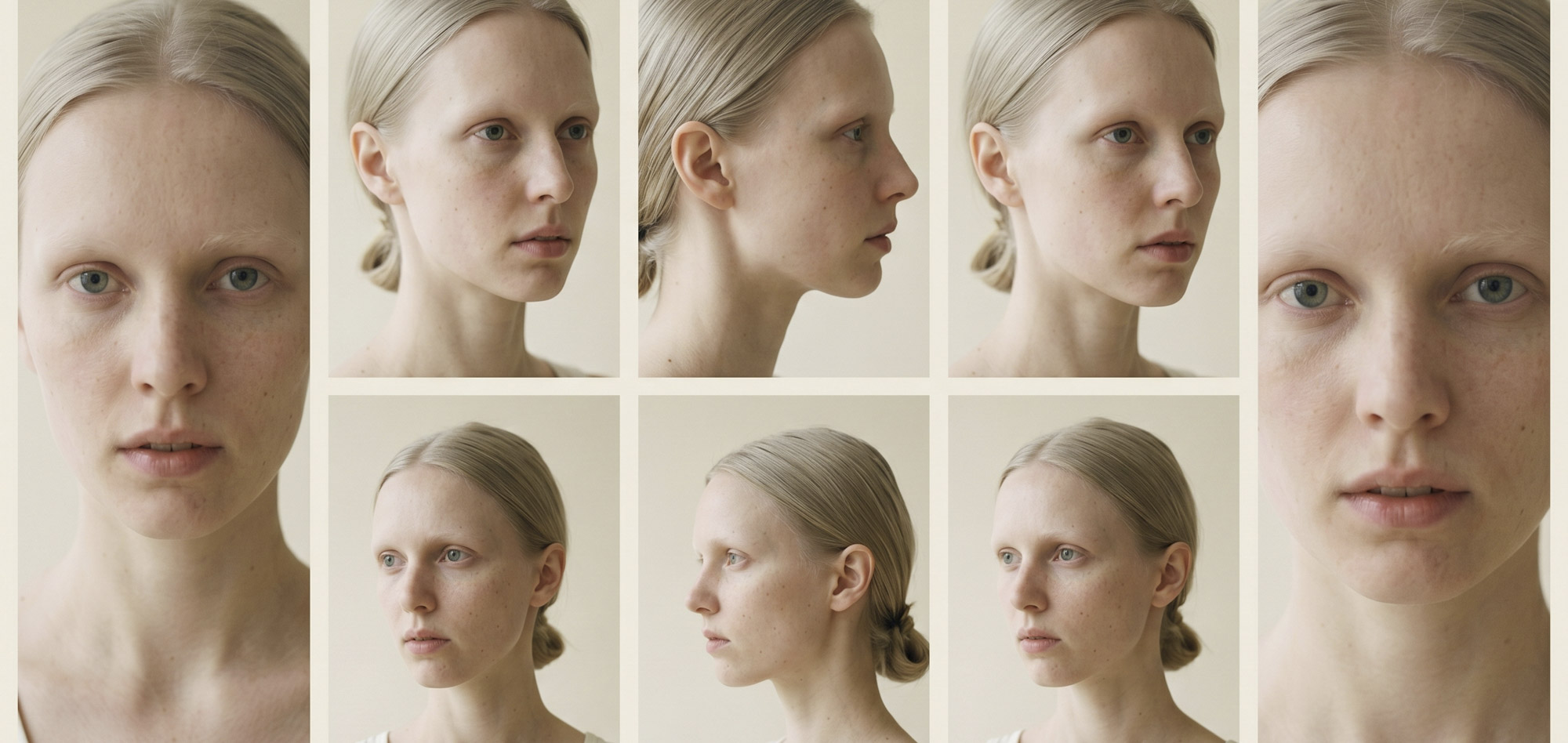
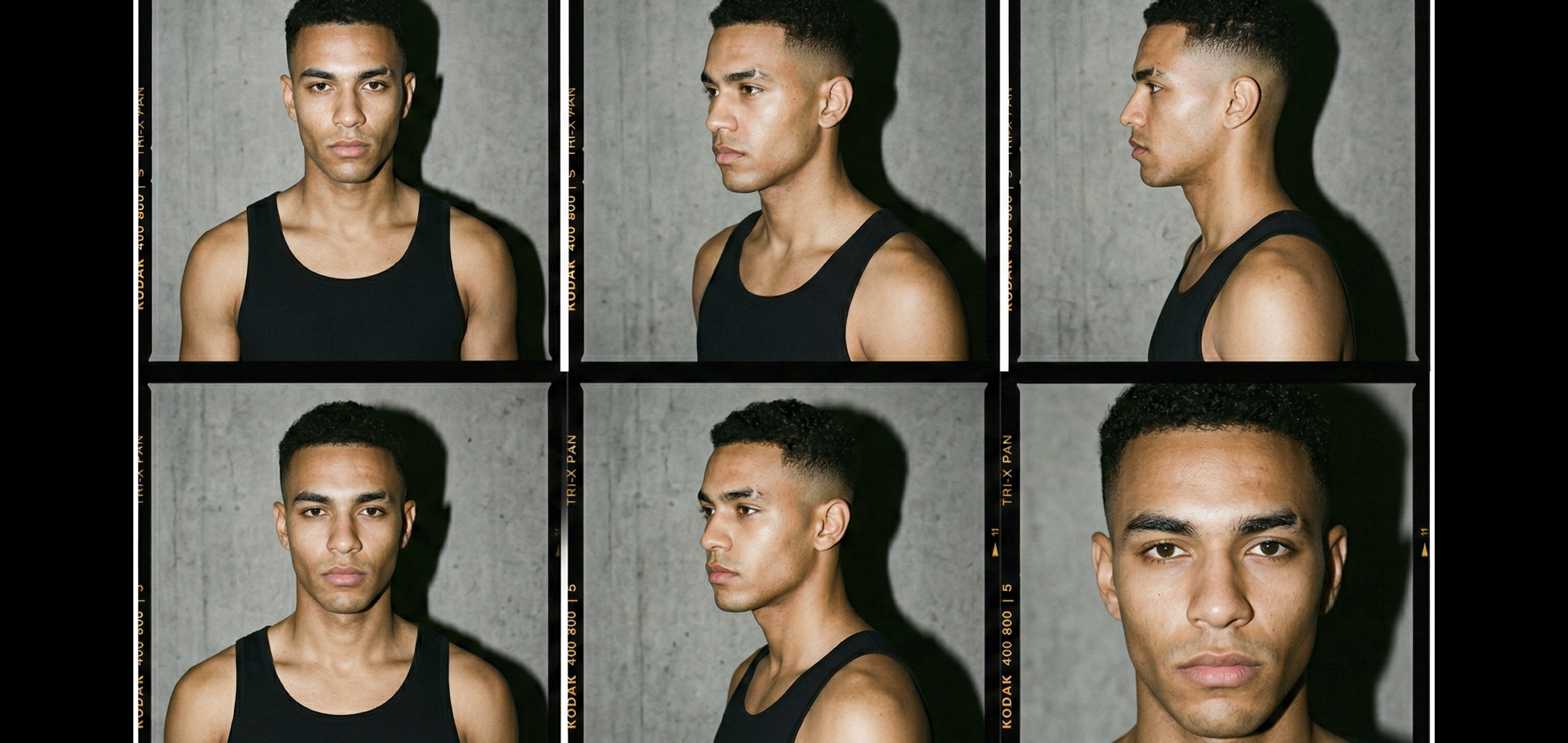
Digital talent is built like real talent: one face, multiple angles, a styling sheet, a full wardrobe matrix. The cast becomes a fixed asset the brand owns and reuses — across the season, the next season, and the territories.
Composition, focal length, light direction, grade — designed before generation. The same notes a photographer would write on a call sheet. The system doesn't decide the look. The art direction does.
First looks within 48 hours. Selection happens like in a real edit — proof sheets, marks, kills, second pass. We don't ship the first frame. We ship the right frame.
Color, retouch, frame-by-frame quality control. Skin, hands, fabric — corrected at print resolution. Final files match every brand standard a traditional retoucher would meet. No exceptions.
in fashion production before AI — the foundation every frame is built on.
from brief to print-ready masters, complete with retouch and review.
because iteration costs hours, not days. Variants are part of the workflow.
deciding what stays in and what doesn't — same as in any real production.
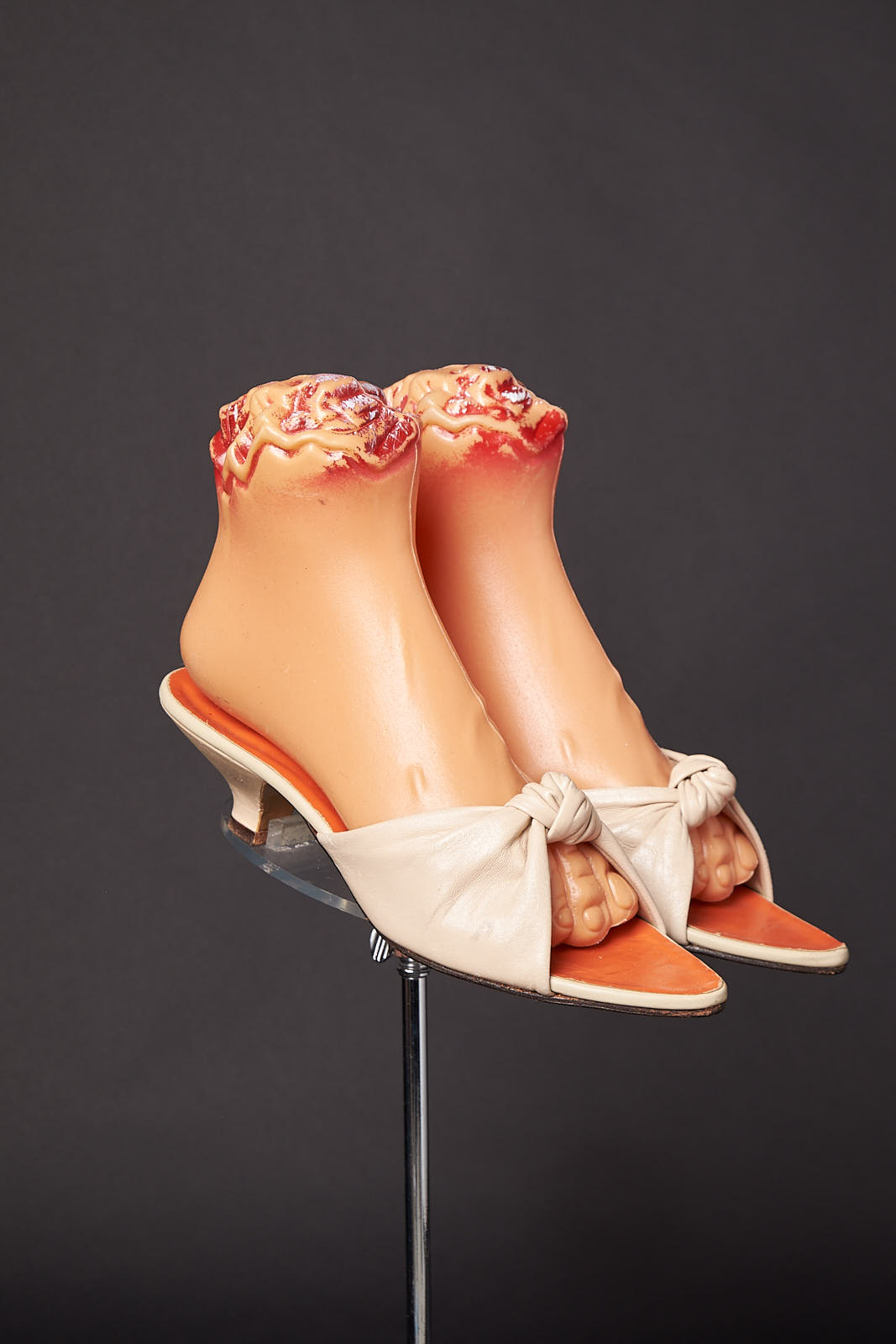
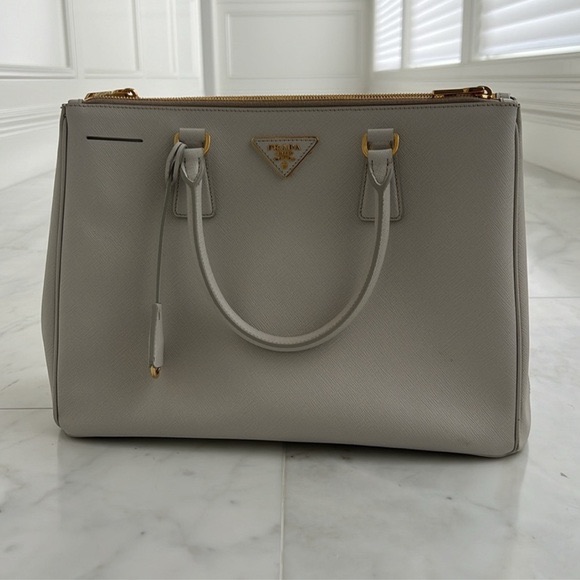
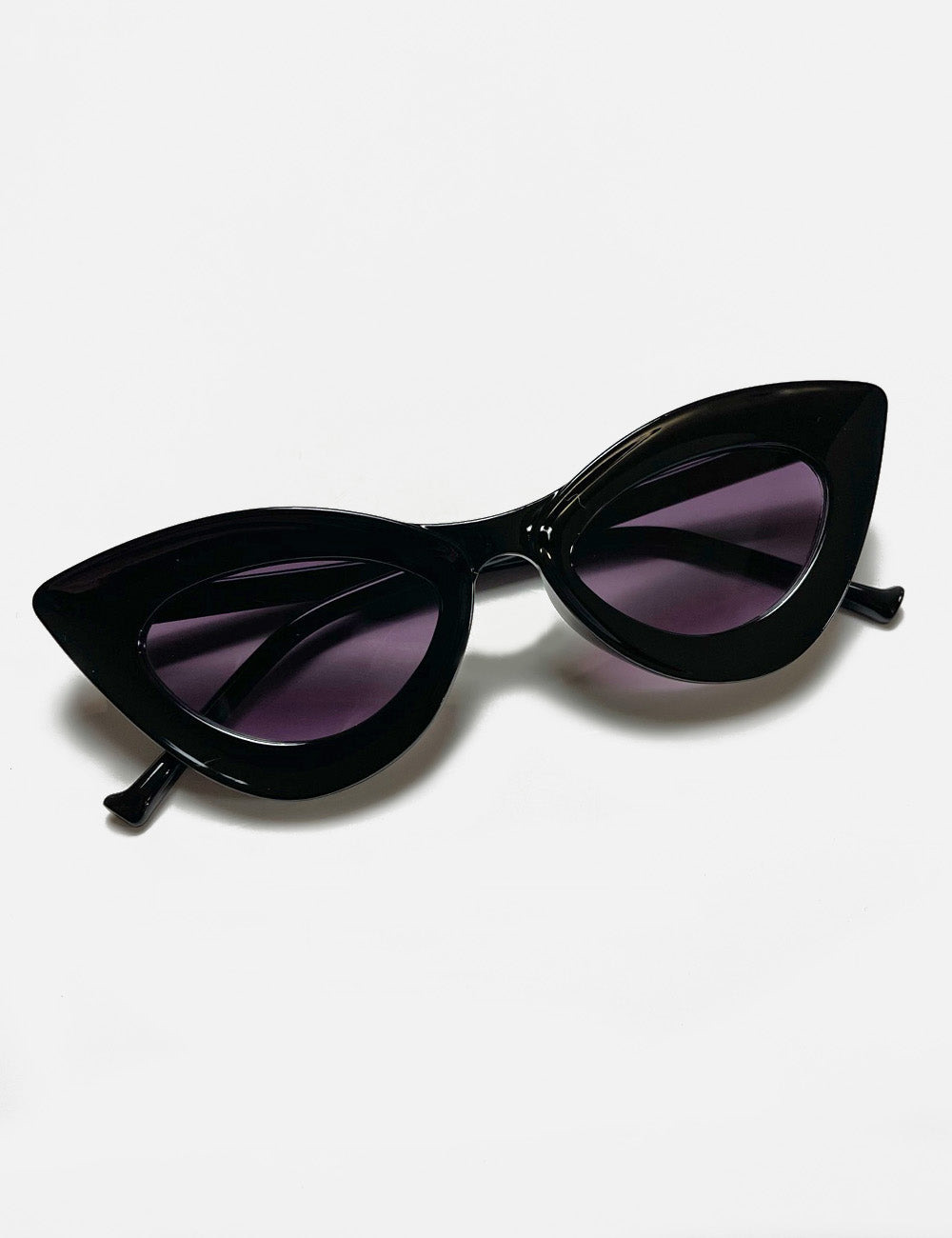
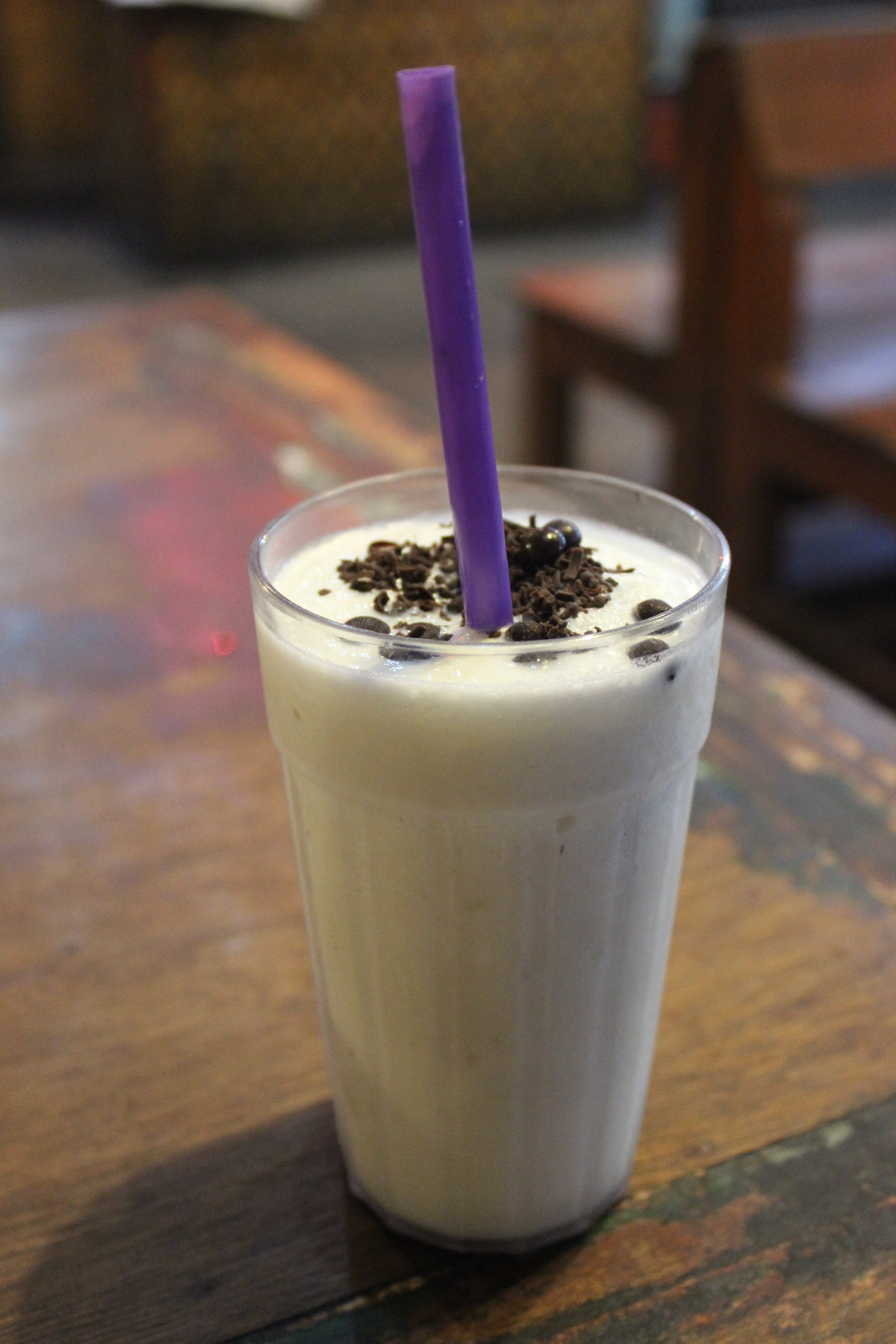
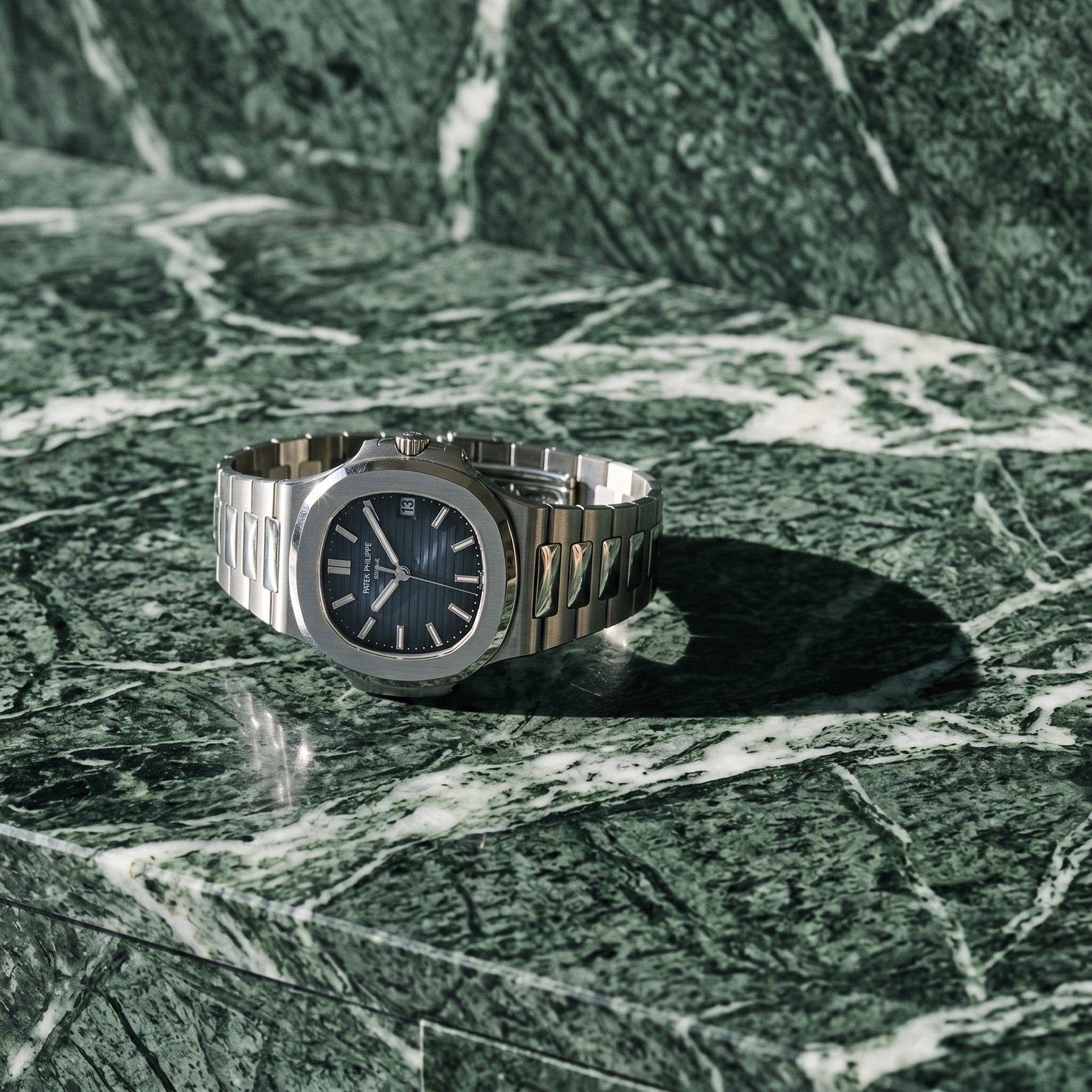
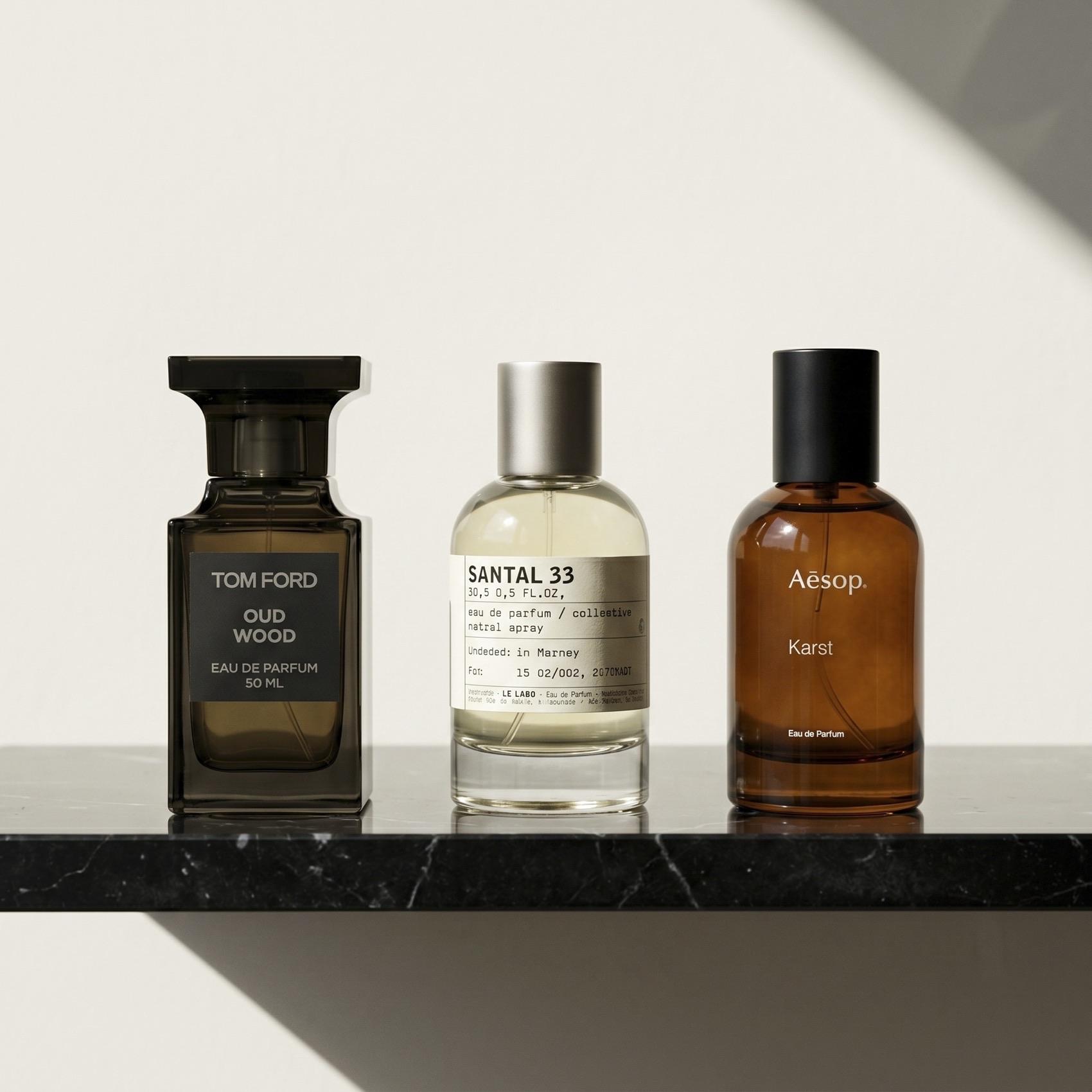
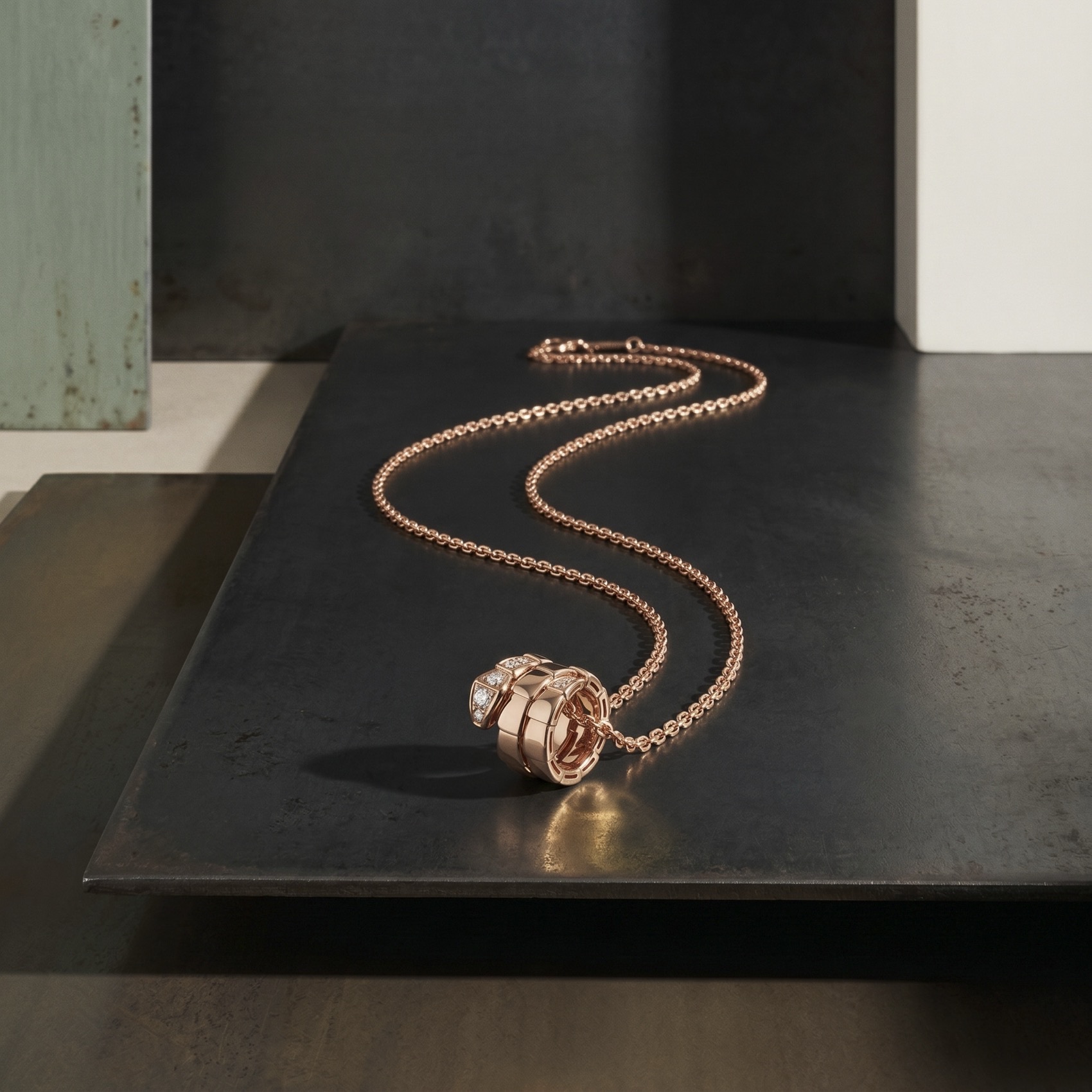
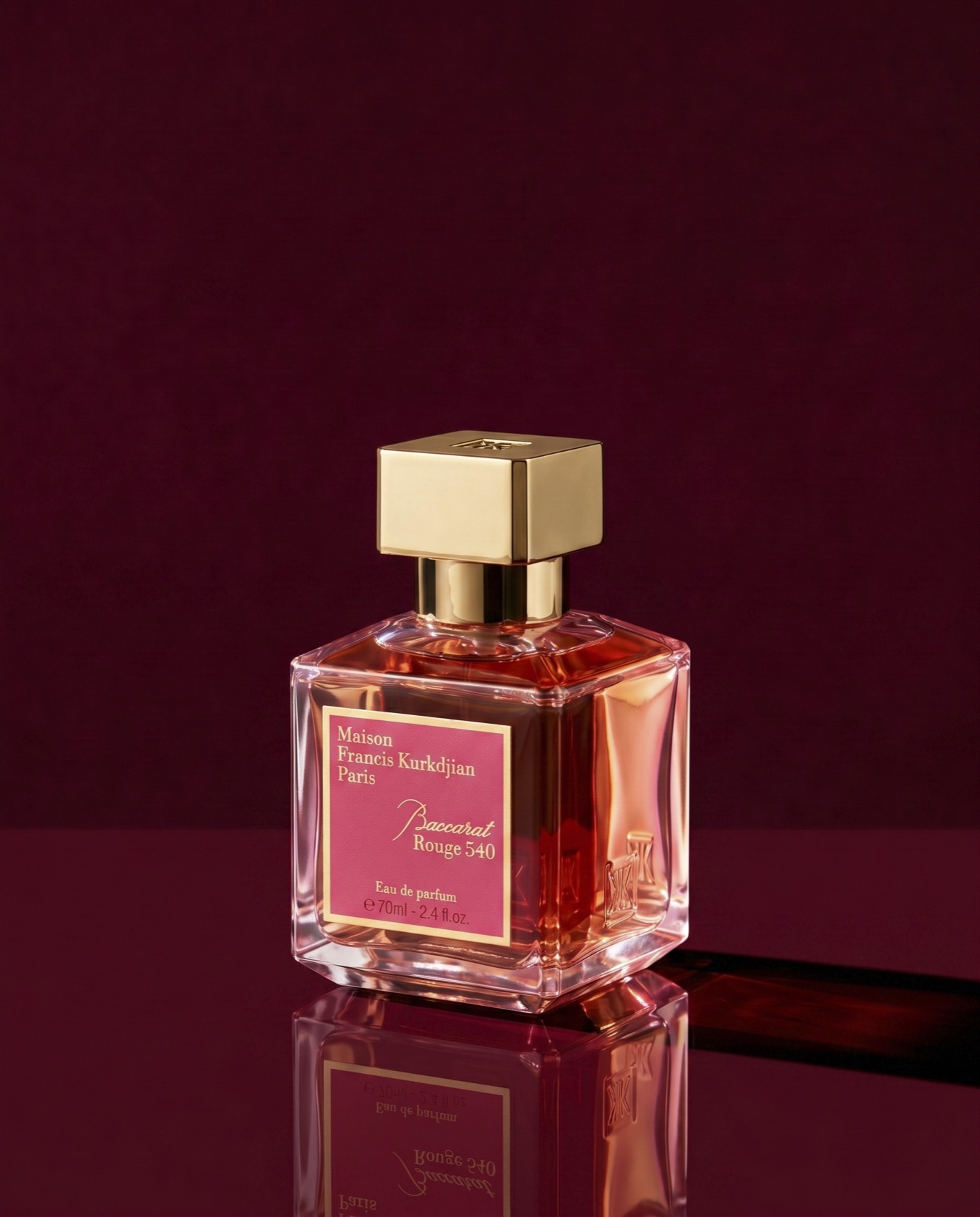
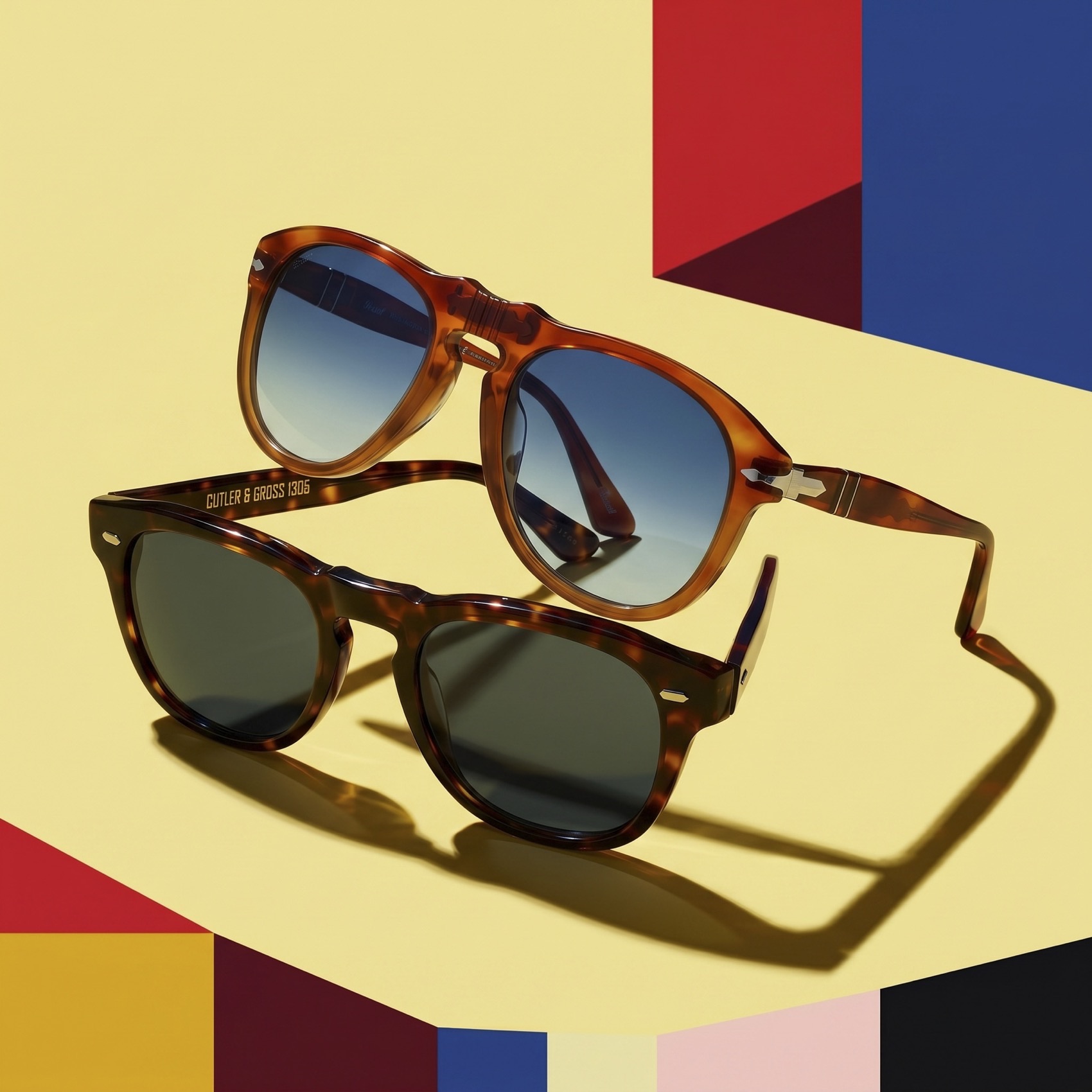
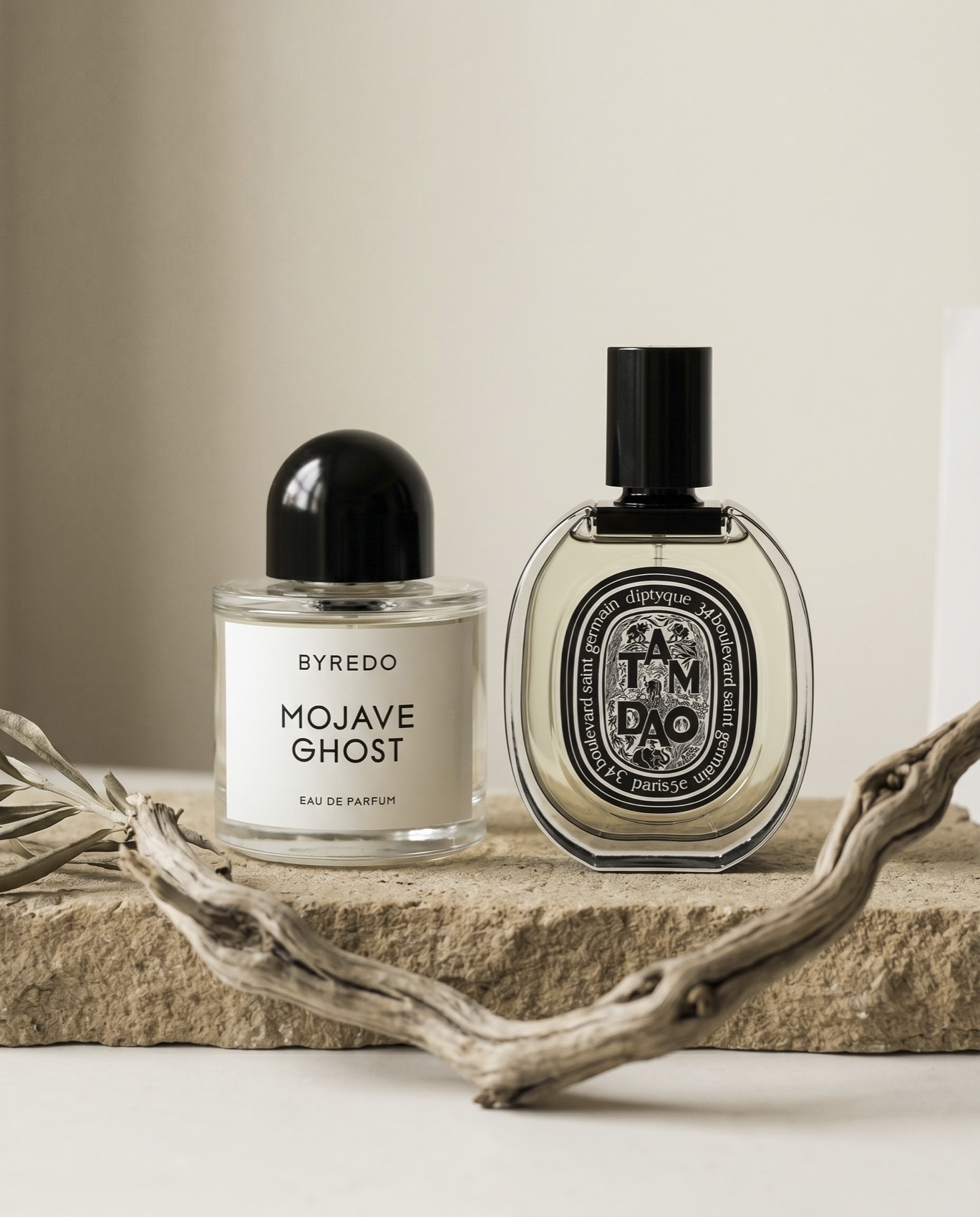
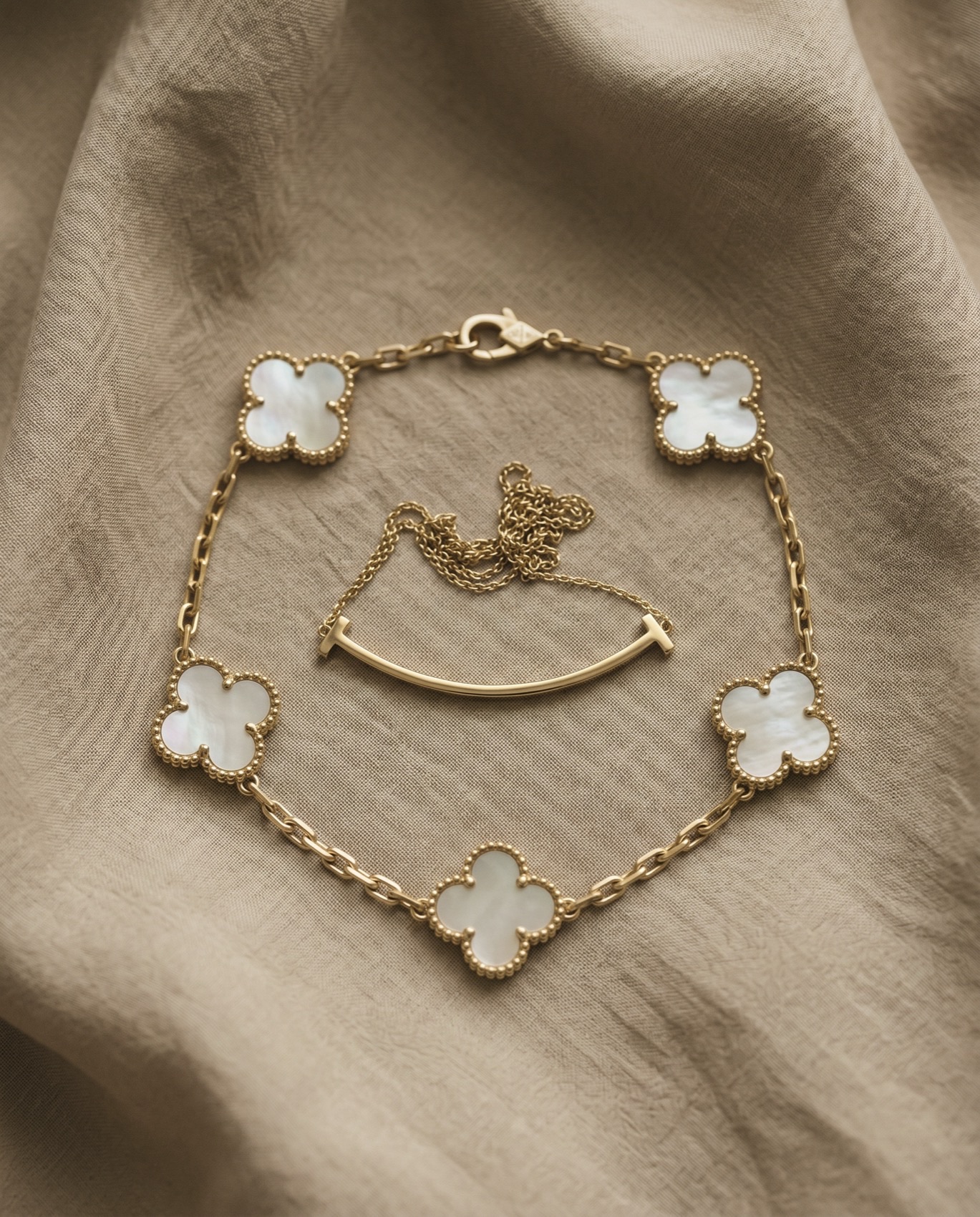
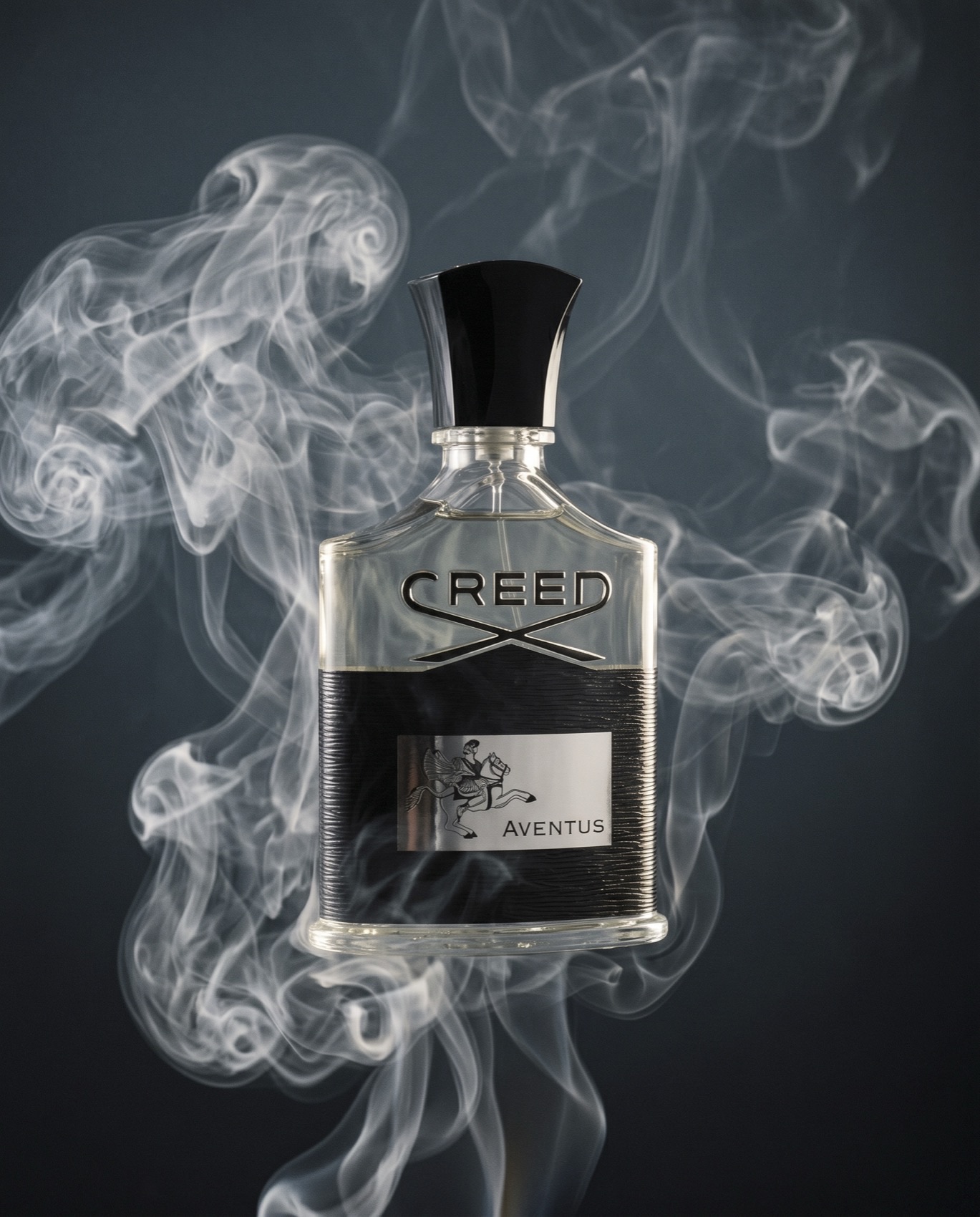
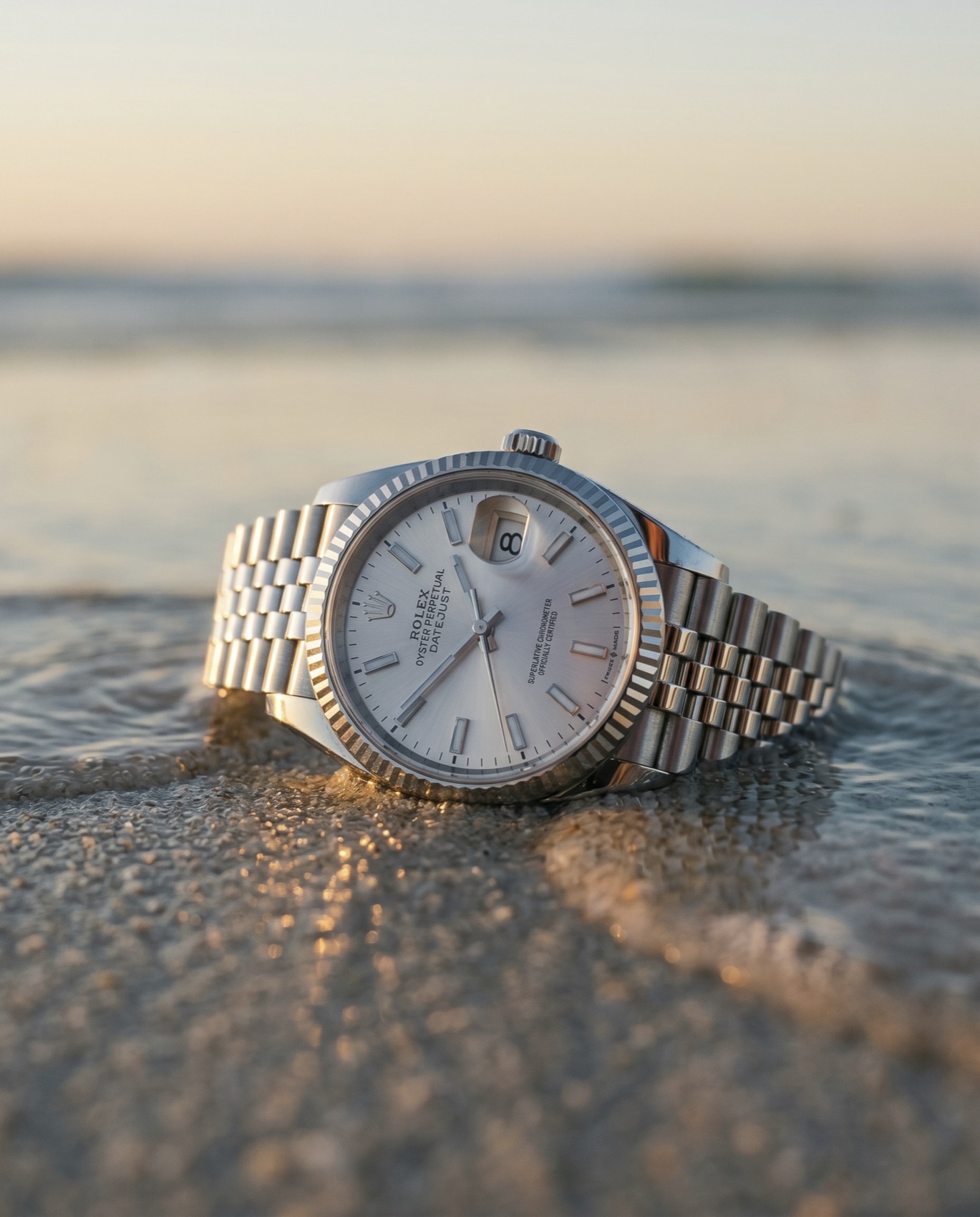
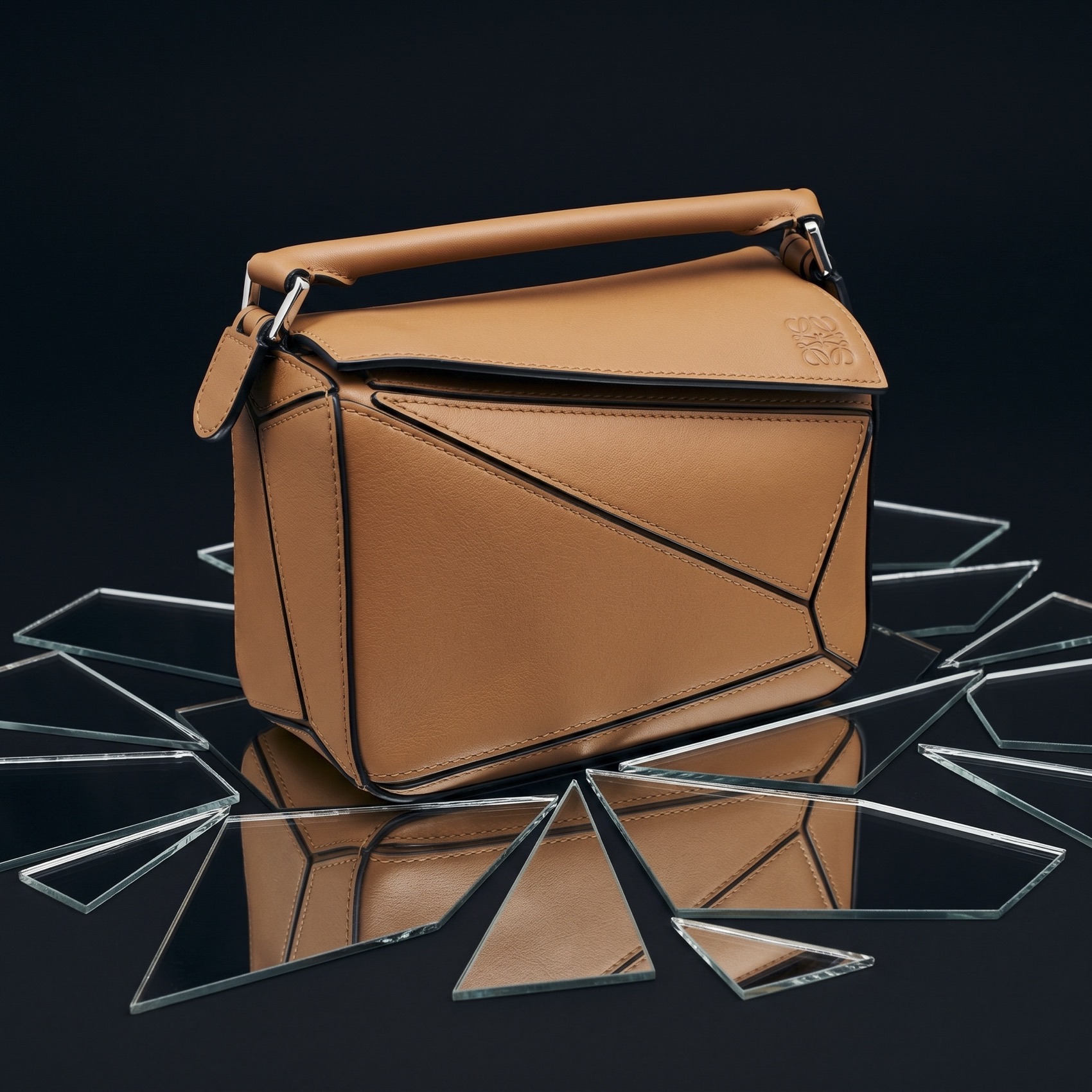
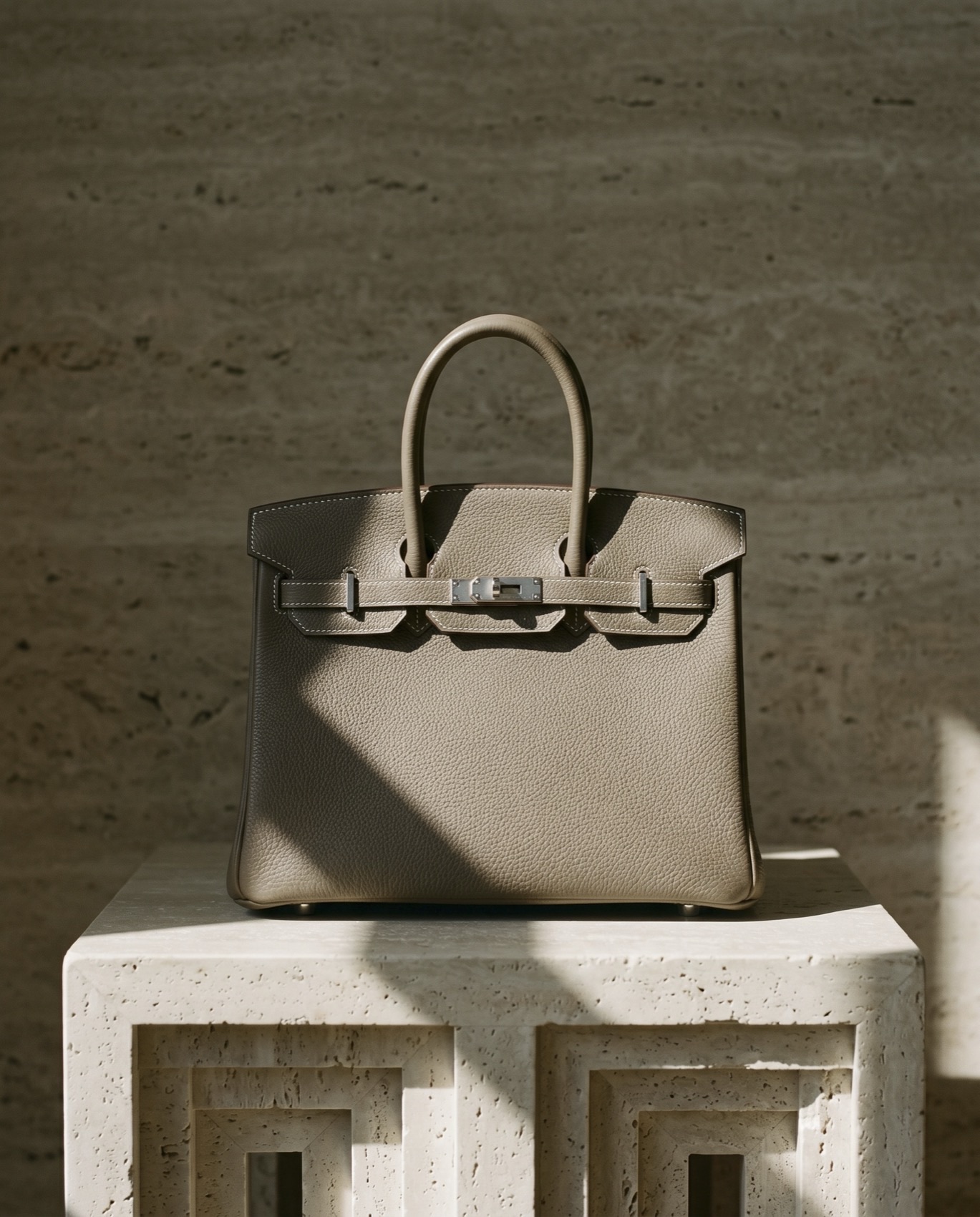
When the product is the model. Twelve frames, one studio, one grade — the kind of asset library a season needs to live in every banner, every social cut, every page. Same logic, smaller subject.
Each project starts with a conversation. Tell me about the brand, the season, the brief — I'll come back with a moodboard and a timeline.